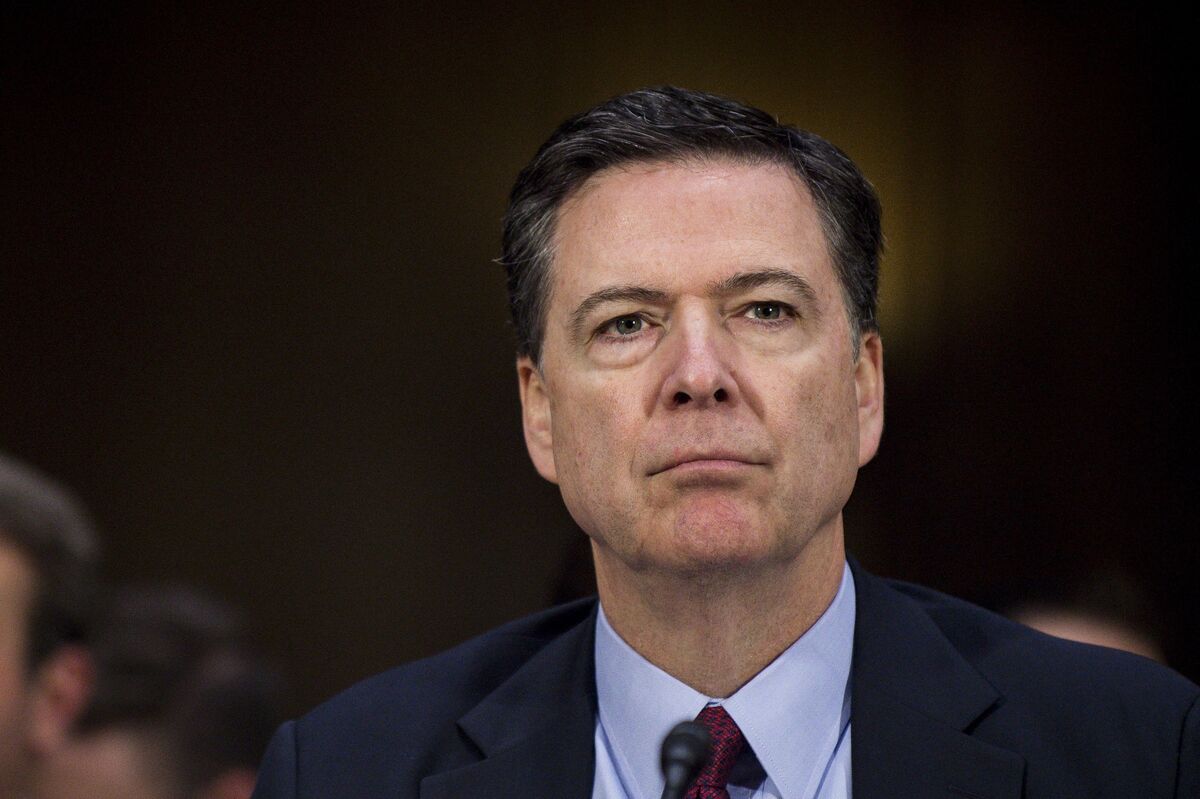
The Justice Department told a federal judge that the final indictment charging former FBI Director James Comey in September with allegedly lying to Congress was never shown to the full grand jury, a disclosure US District Judge Michael Nachmanoff probed at a Wednesday hearing about the case’s unusual circumstances. That procedural irregularity raises questions about the indictment process and could be leveraged in defense challenges or affect the litigation’s next steps, though the hearing did not resolve immediate consequences.
The Justice Department informed US District Judge Michael Nachmanoff that the final indictment charging former FBI Director James Comey in September with allegedly lying to Congress was never presented to the full grand jury, and the judge pressed prosecutors on these irregularities at a Wednesday hearing. The article identifies the precise procedural lapse—nonpresentation of the final indictment to the grand jury—which is atypical and legally significant for indictment validity.
That procedural irregularity creates a credible avenue for defense challenges and could materially affect the litigation timetable; the hearing did not produce immediate remedial action or a resolution, leaving outcomes uncertain. Defense motions leveraging this disclosure could seek dismissal or suppression and may prompt supplemental proceedings or re‑indictment, lengthening litigation and media attention.
Market implications are limited: the provided market impact score is 0.05 and no corporate tickers are implicated, so direct financial consequences appear minimal. Investors should treat this primarily as a legal and political development to monitor for headline-driven volatility rather than a fundamental market shock, tracking subsequent filings and rulings for changes in legal risk and publicity.
AI-powered research, real-time alerts, and portfolio analytics for institutional investors.
Request DemoOverall Sentiment
mildly negative
Sentiment Score
-0.25
