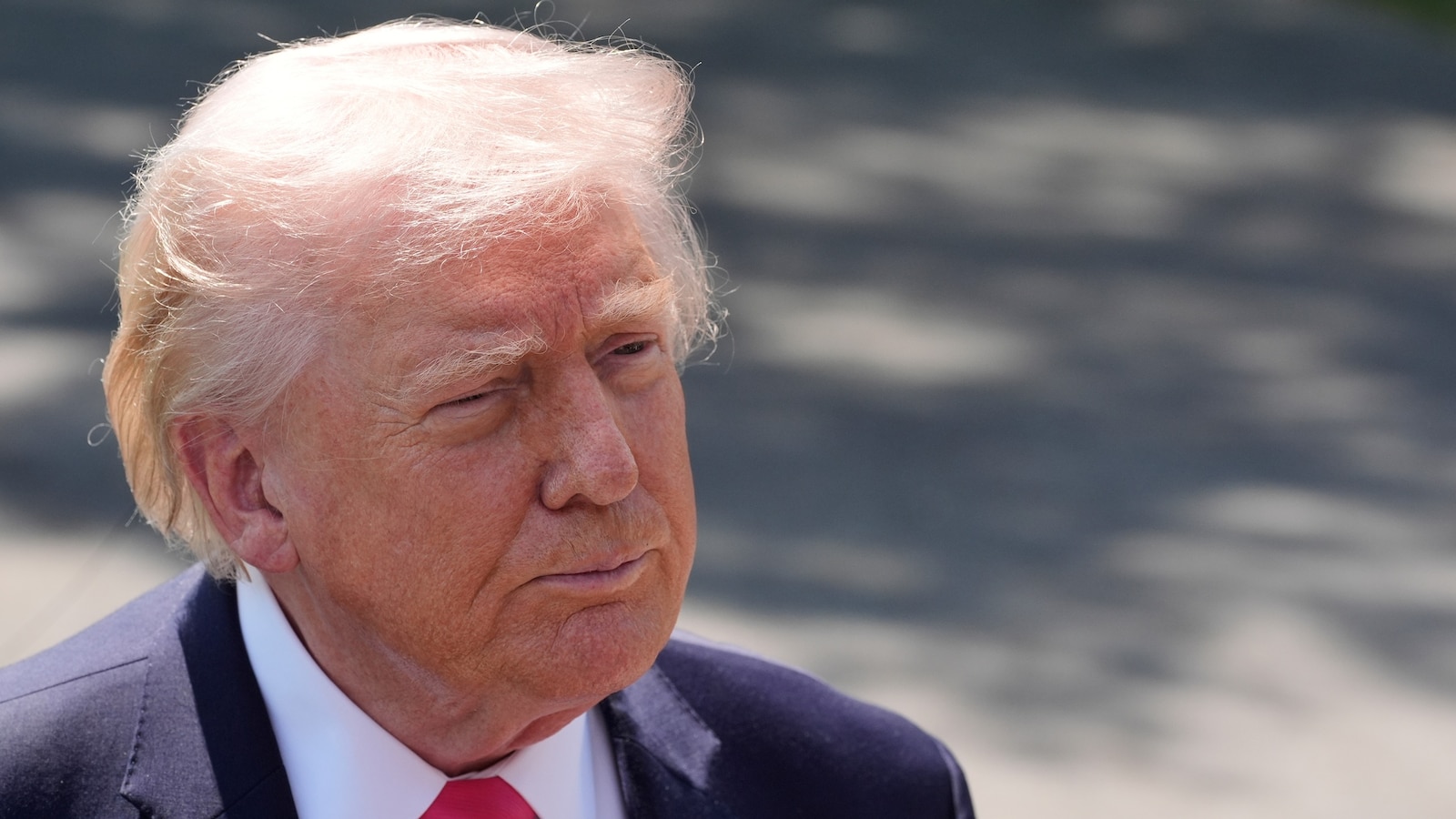
Trump said a U.S.-Iran agreement could be resolved "very soon," with talks focused on removing enriched uranium, no cash payment to Iran, and the blockade on ships to and from Iran staying in place until a deal is finalized. He also said the Strait of Hormuz is "completely open," signaling reduced near-term risk to energy and shipping routes. The article adds that Israel and Lebanon have agreed to a 10-day ceasefire, while Trump said he would block Netanyahu from bombing Lebanon and may involve Syria in a final regional deal.
The market implication is less about the headline diplomacy than about a near-term reduction in tail risk premia across energy, shipping, and defense names. If the administration is credibly signaling a negotiated off-ramp, the first-order move is usually a volatility crush: crude risk premium, tanker insurance, and freight rates can all fall faster than physical supply/demand fundamentals change. That creates a short-lived air pocket in names that had been priced for disruption, while the bigger loser is any asset exposed to a sustained blockade narrative.
The second-order effect is that a “peaceful” uranium-removal framework, if real, shifts bargaining leverage away from immediate kinetic escalation toward compliance monitoring and logistics. That tends to favor firms with Middle East transport exposure more than pure-defense beneficiaries, because the market can re-rate from war premium to execution premium. The real risk is that this becomes a sequencing problem: a few days of optimistic rhetoric can compress risk assets, but any delay, side-channel sabotage, or disagreement over inspection/custody would re-expand prices quickly because positioning has likely already leaned defensive.
Contrarian view: the consensus may be overestimating how much a headline agreement changes physical constraints in the next 2-6 weeks. Even if talks progress, blockade relief, insurance normalization, and port throughput improvements usually lag politics; supply chains heal slower than headlines. That means a trade built on immediate de-escalation is vulnerable if the market front-runs a deal and then discovers implementation friction. The best asymmetry is to fade the most crowded geopolitical hedge rather than chasing broad beta.
AI-powered research, real-time alerts, and portfolio analytics for institutional investors.
Request TrialOverall Sentiment
neutral
Sentiment Score
0.10
