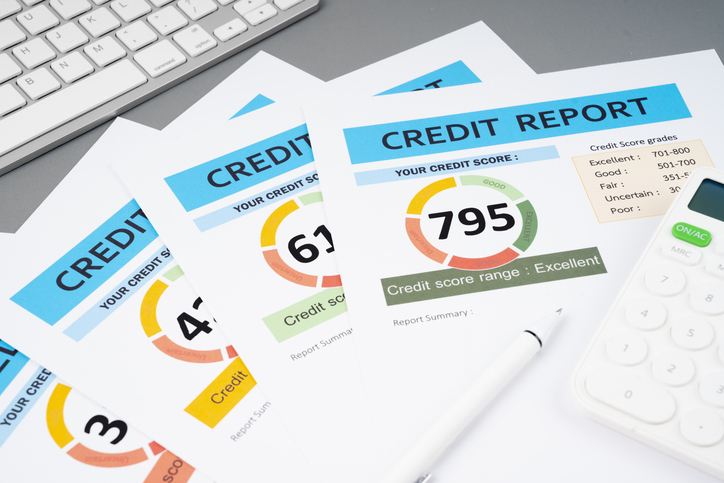
Key figures: Experian's consumer-favorable dispute rate fell from nearly 20% in 2024 to under 1% by last year, TransUnion saw a similarly steep decline, while Equifax did not; since early 2025 over 2.7 million CFPB credit-reporting complaints have gone without relief. The story attributes the deterioration to a drastic curtailing of CFPB enforcement under new leadership (Russell Vought), frozen investigations and proposed mass layoffs, reducing regulatory leverage over bureaus. Credit bureaus argue many disputes are from repair firms or bots, but consumer advocates say legitimate disputes are being ignored, forcing reliance on lawsuits or state attorneys general and raising risks for loan, housing and employment outcomes.
TransUnion is the most levered to the reputational and litigation channel in this episode: reduced dispute remediation creates an asymmetric liability path where legal costs and multi-state enforcement can materialize abruptly, compressing free cash flow and multiple expansion simultaneously. Expect provisions and legal accruals to drift higher over a 3–18 month window as cases consolidate and plaintiffs’ counsel coordinate — a single coordinated consent decree could knock 15–30% off current equity value depending on fines and mandated remediation spend.
In the near term bureaus can defend margins by automating dispute workflows and tightening thresholds, which boosts reported profitability but increases operational risk and downstream friction for loan originators who rely on clean data. That friction is a hidden tax on consumer credit markets: higher underwriting uncertainty will raise borrower acquisition costs for fintechs and banks, and will likely be recouped via wider spreads on securitized credit — an intermediate tailwind for data/analytics vendors that can offer superior provenance or indemnities.
The fastest reversal scenario is regulatory or judicial re-engagement: a state AG or federal court enjoining current practices, or a change in CFPB posture, would force rapid remediation spending and reprice equities within 30–90 days of a headline. Monitor legal filings, state AG subpoenas, and increases in dispute-related reserves as the highest-probability, earliest catalysts; absent those, structural share shifts (TRU losing commercial contracts to Equifax) will play out over 6–24 months.
AI-powered research, real-time alerts, and portfolio analytics for institutional investors.
Request DemoOverall Sentiment
strongly negative
Sentiment Score
-0.55
Ticker Sentiment
