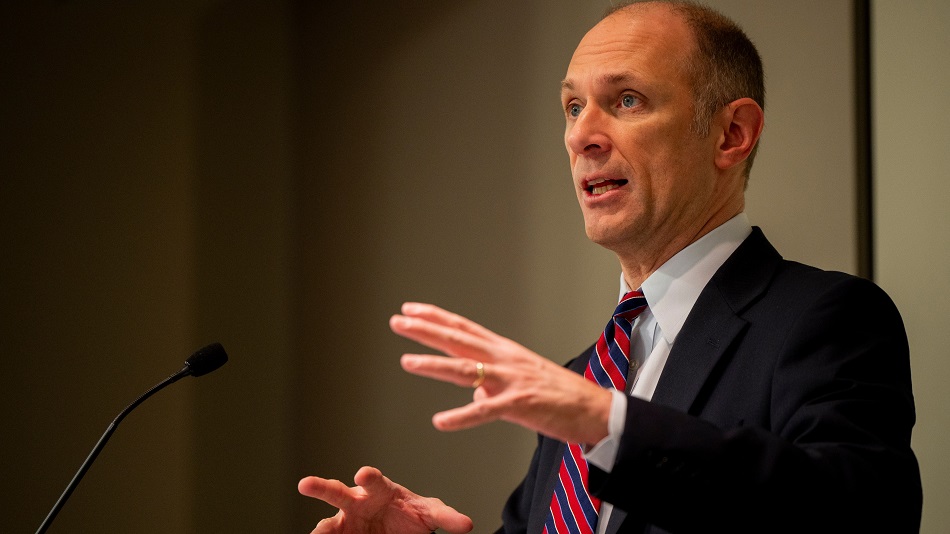
Chicago Fed President Austan Goolsbee expressed unease with viewing tariffs as a one-time economic shock, asserting they simultaneously impair both sides of the central bank's dual mandate by negatively impacting employment and price stability. This perspective suggests tariffs could pose a more persistent challenge to the Fed's policy objectives than widely acknowledged.
Chicago Federal Reserve President Austan Goolsbee has articulated a noteworthy perspective on the economic impact of tariffs, challenging the view that they are a simple, one-time inflationary shock. His assertion that tariffs cause both sides of the central bank's dual mandate—price stability and maximum employment—to 'go bad at the same time' highlights a significant policy dilemma. This framing suggests tariffs introduce a stagflationary pressure, simultaneously raising consumer prices while potentially slowing economic activity and harming employment. This viewpoint is critical because it implies that tariffs may represent a more persistent and structural challenge to monetary policy, rather than a transient event that the Federal Reserve can easily 'look through.' If this perspective gains traction within the FOMC, it could complicate the path of future interest rate decisions, particularly if trade policy becomes a more prominent economic headwind.
AI-powered research, real-time alerts, and portfolio analytics for institutional investors.
Request DemoOverall Sentiment
moderately negative
Sentiment Score
-0.50
