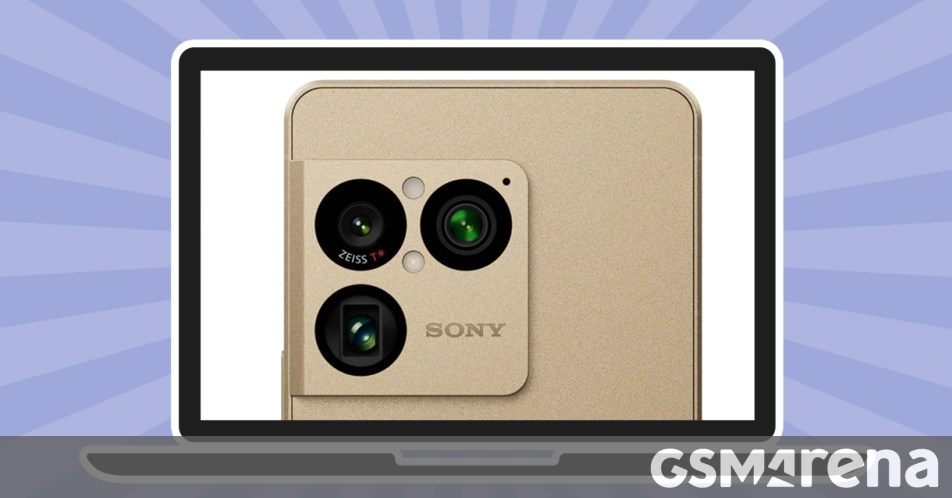
Sony unveiled the Xperia 1 VIII with a redesigned body, a new 48MP telephoto camera, Snapdragon 8 Elite Gen 5, 12GB RAM, and a €1,500/£1,400 starting price for the 12/512GB model. Xiaomi confirmed a 17 Max for China with a 6.9-inch display, Snapdragon 8 Elite Gen 5, 8,000mAh battery, and a 200MP main camera, while Samsung expanded One UI 8.5 globally and opened One UI 9 beta access for Galaxy S26 users in select markets. The article is primarily product and software update news with limited immediate market-moving impact.
Sony’s move reads less like a product reset and more like a margin-defense exercise: incremental hardware upgrades at premium pricing usually support gross profit more than unit share, especially in a category where demand elasticity is high and camera differentiation is increasingly software-led. The second-order implication is that Sony may be signaling confidence in its high-end component ecosystem, but the phone business still looks structurally subscale versus the larger Android premium stack, limiting the equity impact unless this translates into broader imaging/semiconductor pull-through.
For the competitive set, the more meaningful pressure may fall on mid-to-high-end Android OEMs that compete on battery and AI features rather than brand prestige. Xiaomi’s large-battery positioning is a reminder that consumer willingness to trade some camera flexibility for endurance remains strong in China and parts of Europe; that favors vendors with stronger value propositions and could keep the premium end bifurcated between spec-led Chinese challengers and ecosystem-led incumbents. Samsung’s software cadence matters more than the hardware launches here: if AI features materially improve retention, the real competitive moat is installed-base monetization, not handset specs.
Contrarian view: the market may be overestimating how much “AI phone” messaging moves upgrades in a saturated market. The more probable outcome over the next 1-2 quarters is that premium launches generate attention but not broad demand inflection, with winners determined by channel execution and financing, not headline specs. The one watch item is whether larger batteries and faster charging reset consumer expectations enough to force a broader pricing or feature response from competitors, which could compress margins across Android OEMs into year-end.
For AAPL, this is mildly relevant only as a reminder that premium smartphone innovation remains incremental; it does not change the iPhone upgrade calculus unless competitors create a durable battery or imaging gap. The read-through is more negative for smaller Android flagships than for Apple, which benefits from ecosystem lock-in and a less spec-sensitive user base.
AI-powered research, real-time alerts, and portfolio analytics for institutional investors.
Request DemoOverall Sentiment
neutral
Sentiment Score
0.12
Ticker Sentiment
