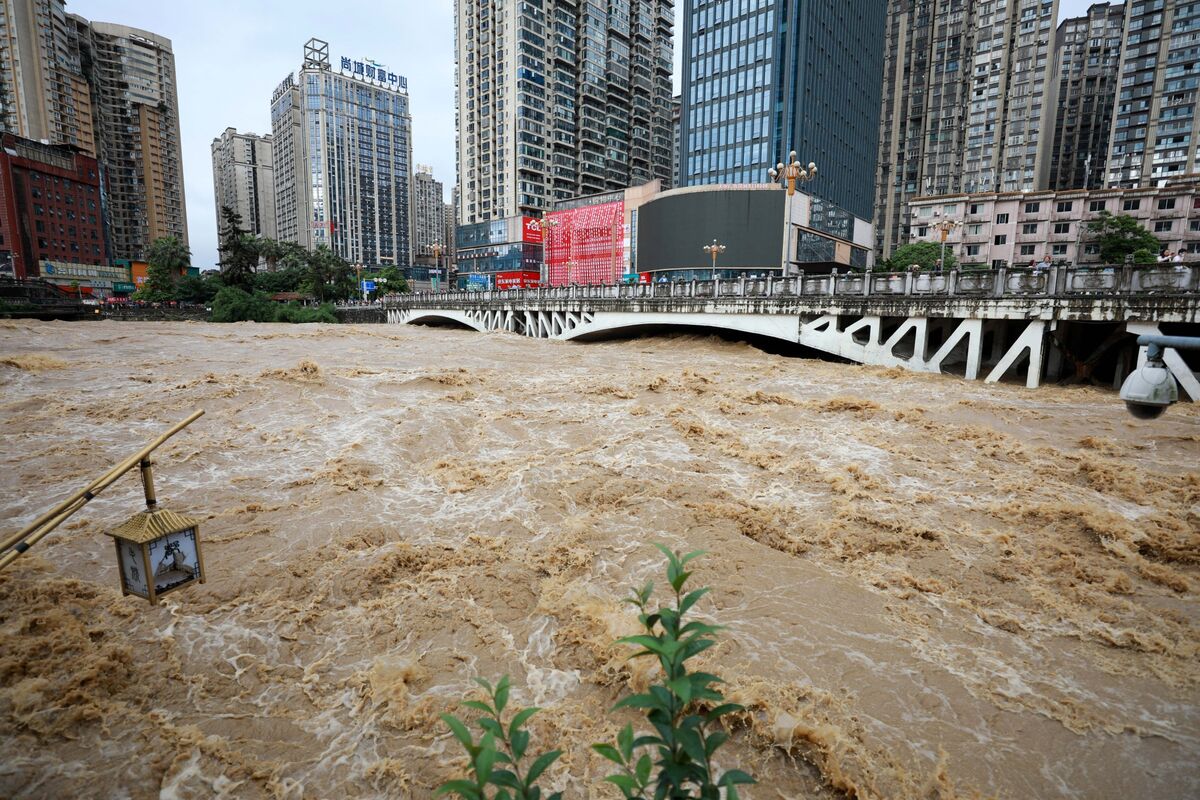
Southern China has received 12% more rainfall than normal since the rainy season began on April 1, making it the second-wettest start to the season in a decade. Heavy rains have already broken at least two single-day June rainfall records in Guangdong and may continue through the summer, raising crop damage risks and potential disruption to local economic activity.
The market implication is less about the weather print itself and more about the sequencing of damage: saturated soils raise the probability that a few additional storm cells convert from nuisance flooding into crop-loss events over the next 2-6 weeks. That creates a skewed setup for agricultural inputs and downstream food processors, where downside is limited until yield revisions become visible, but upside can gap quickly once local authorities start flagging replanting or field-access problems. Hydropower and water management names are likely to get an initial sentiment boost from fuller reservoirs, but that benefit fades if runoff becomes destructive and forces spill management or transmission interruptions.
Second-order pressure should show up first in southern China logistics rather than headline GDP: port congestion, inland rail delays, and higher spoilage risk are the channels that can widen regional basis spreads before national price indices move. In agriculture, the bigger risk is not a broad national output shock but a timing mismatch—early-season waterlogging can reduce stand quality even if total seasonal rainfall later normalizes, making the impact harder to reverse. That makes this more of a volatility event than a clean directional macro call, with the strongest signal likely to emerge in vegetable, rice, and feedgrain-sensitive supply chains.
The contrarian view is that the market may overprice a uniform crop shock. China has extensive irrigation and state inventory tools, so the eventual policy response can mute consumer inflation and cap upside in food prices if damage remains localized. The more durable trade is therefore not a blanket long-agriculture bet, but a relative-value expression against sectors exposed to weather disruption and transport bottlenecks, with a 1-2 month horizon for the first earnings or guidance impact.
AI-powered research, real-time alerts, and portfolio analytics for institutional investors.
Request DemoOverall Sentiment
mildly negative
Sentiment Score
-0.25
Ticker Sentiment
