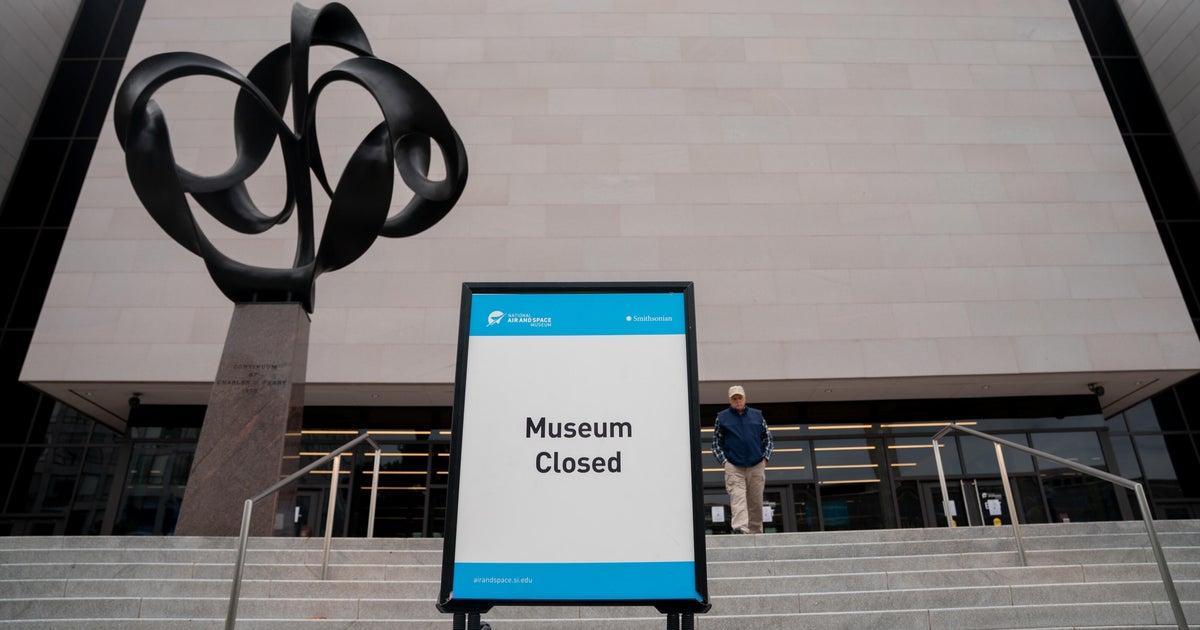
The U.S. government shutdown is entering its third week due to an ongoing stalemate between Democrats and Republicans, with Democrats demanding the extension of health insurance tax credits as a condition for reopening the government. This impasse has led to over 4,000 federal workers receiving layoff notices and the closure of Smithsonian institutions. While President Trump has directed the Defense Secretary to ensure military personnel receive their Oct 15 paychecks using identified prior-year funds, other federal workers will not be paid until the shutdown concludes, underscoring the significant operational and financial disruptions caused by the political gridlock.
The U.S. government shutdown has entered its third week, driven by a legislative impasse where Democrats demand an extension of health insurance tax credits while Republicans advocate for a clean funding bill. This prolonged stalemate has directly resulted in over 4,000 federal workers receiving reduction-in-force notices, signaling immediate job insecurity and economic disruption for affected households. Furthermore, critical public services like Smithsonian institutions have ceased operations, highlighting the broader operational paralysis.
While President Trump has directed the Defense Secretary to utilize approximately $8 billion in prior-year funds to ensure military personnel receive their October 15th paychecks, this relief does not extend to other federal workers who face delayed compensation until the shutdown concludes. This selective payment mechanism underscores the uneven financial burden across the federal workforce and the potential for reduced consumer spending in affected regions. The market impact is rated at 0.6, indicating a moderate but tangible concern for broader economic stability.
The political rhetoric remains highly charged, with both parties engaged in a blame game, suggesting no immediate resolution is in sight despite the Senate's upcoming vote on a previously failed House measure. The strongly negative sentiment score of -0.7 and uncertain tone reflect investor apprehension regarding the duration and potential economic fallout of this fiscal policy deadlock. The continued recess of the House further complicates legislative efforts, prolonging uncertainty.
AI-powered research, real-time alerts, and portfolio analytics for institutional investors.
Request DemoOverall Sentiment
strongly negative
Sentiment Score
-0.70
