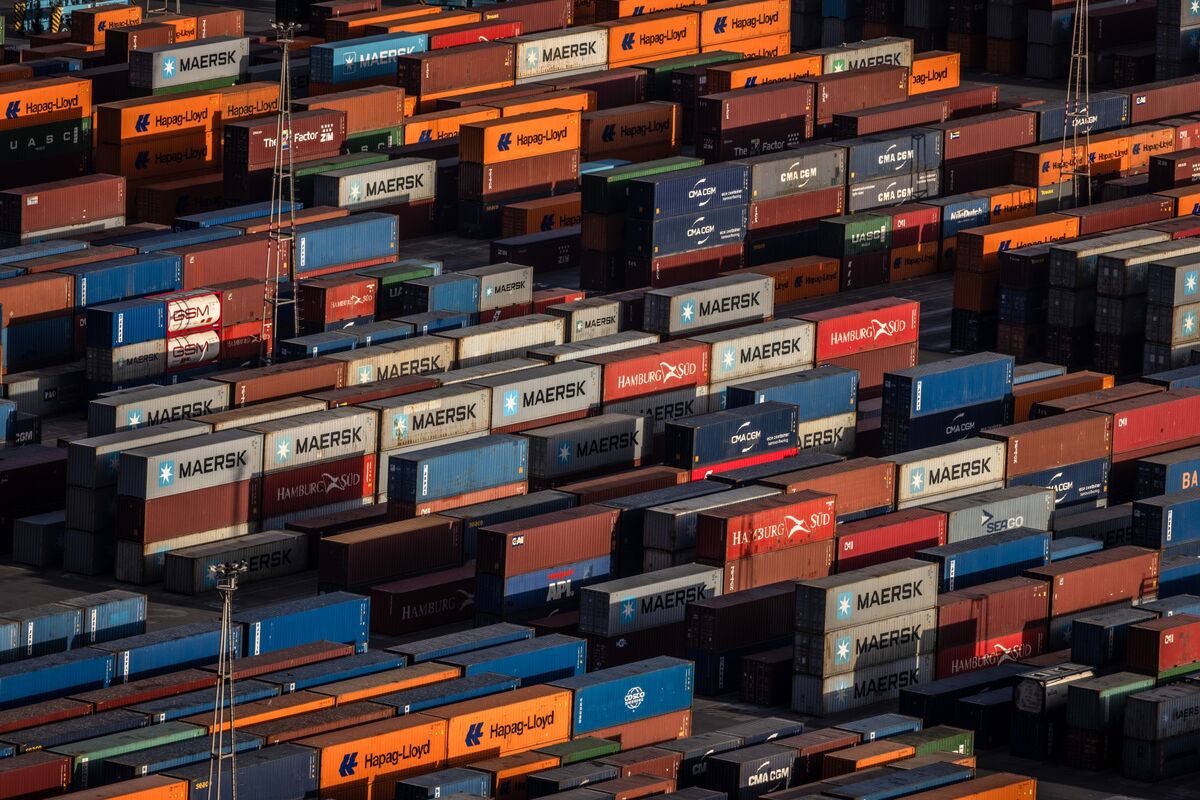
Chinese e-commerce and logistics giants, including JD.com, are significantly expanding their warehouse footprint in Europe, driven by US President Donald Trump's tariffs reshaping global supply chains. Firms have acquired over 2 million square feet in the UK this year, potentially surpassing 2021 levels, signaling a strategic pivot towards European logistics hubs to mitigate trade tensions and diversify market access.
Chinese e-commerce and logistics companies, including JD.com Inc., are undertaking a significant expansion of their European warehouse footprint as a direct response to US tariffs reshaping global trade routes. Data from CoStar indicates a substantial acceleration in this trend, with Chinese firms leasing over 2 million square feet of warehouse space in the UK alone this year, a pace that could surpass the 2.3 million square feet record set during the 2021 pandemic. This strategic pivot is not isolated to the UK, as landlords across continental Europe are reporting a concurrent increase in inquiries from Chinese groups. The move signals a clear effort by these companies to build resilient supply chains, de-risk from US market exposure, and establish a more robust logistics network to serve the European market, effectively diversifying their operations in the face of ongoing trade tensions.
AI-powered research, real-time alerts, and portfolio analytics for institutional investors.
Request DemoOverall Sentiment
moderately positive
Sentiment Score
0.45
Ticker Sentiment
