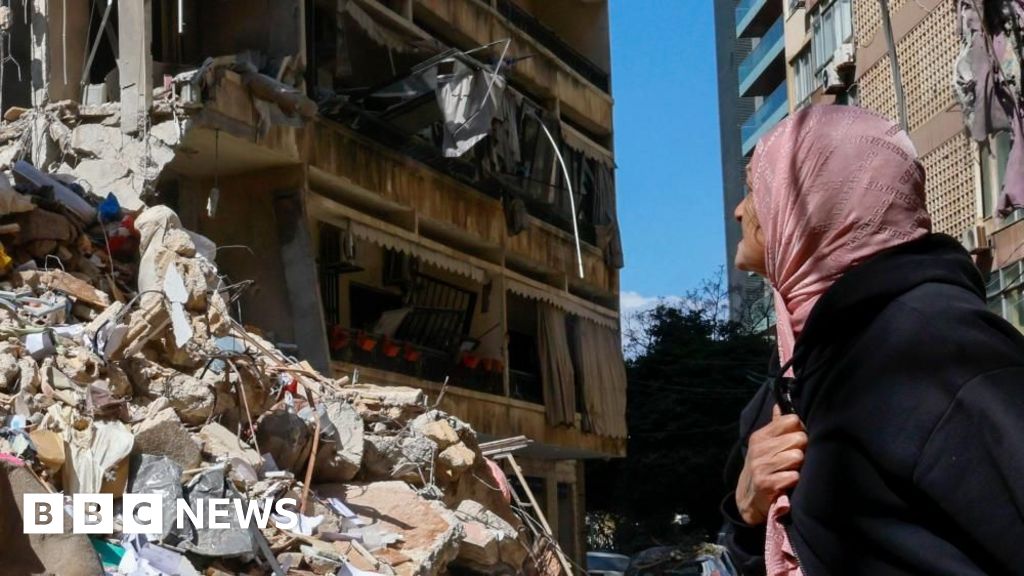
Israel and Lebanon are set to hold direct talks in Washington on Tuesday to seek a ceasefire announcement and a date for negotiations, while Israeli air strikes continue and Lebanon's health ministry says deaths have risen to 357 with 1,223 injured. The conflict has displaced more than 1 million people and is worsening food-security conditions, with the WFP warning that supply convoys to southern Lebanon can take 15 hours even for short distances. The escalation and potential ceasefire talks are a major regional geopolitical risk with broad implications for defense, shipping, and emerging markets.
The market should treat this less as a diplomatic breakthrough and more as a sequencing problem: any ceasefire talk only matters if it can halt the logistics of attrition, and that depends on whether command-and-control and launch infrastructure on the Lebanese side are actually degraded enough to enforce it. If not, a headline ceasefire can coexist with intermittent rocket fire and airstrikes, which keeps regional risk premia elevated but also reduces the odds of a clean, one-way escalation into a broader state-on-state war.
Second-order effects are more interesting in transport and supply chains than in defense equities. Lebanon’s internal distribution network is being stressed by route unreliability and time-to-deliver inflation, which can create local shortages even before nationwide collapse; that tends to hit food importers, FMCG distributors, and insurers first, then radiate into regional shipping schedules and cross-border trucking premiums. The humanitarian burden also increases political pressure on Gulf and Western actors to fund relief, which can temporarily support select EM sovereign credits and aid-linked contractors while leaving the broader Levant macro basket fragile.
The key catalyst window is days, not months: the meeting can reduce headline risk quickly, but any failure to announce a credible ceasefire framework likely triggers another leg lower in risk assets tied to the Eastern Med. The bigger tail risk is miscalculation from a “ceasefire but no ceasefire” environment, where one high-casualty incident forces retaliation and re-prices the probability of Israeli strikes deeper into Lebanon and on critical infrastructure. That would be bad for near-term reconstruction plays, but surprisingly supportive for defense supply-chain names if the conflict remains contained and prolonged rather than widened.
Consensus is probably overpricing the odds that diplomacy alone stabilizes the situation and underpricing how long humanitarian/logistics disruption persists after shooting intensity fades. Even with a pause, displaced-population recovery and road-network normalization can take weeks to months, so the economic drag lingers after the news flow improves. The cleaner contrarian trade is not “war on/off” but volatility persistence: headline risk compresses quickly, but real-economy damage is sticky.
AI-powered research, real-time alerts, and portfolio analytics for institutional investors.
Request DemoOverall Sentiment
extremely negative
Sentiment Score
-0.85
