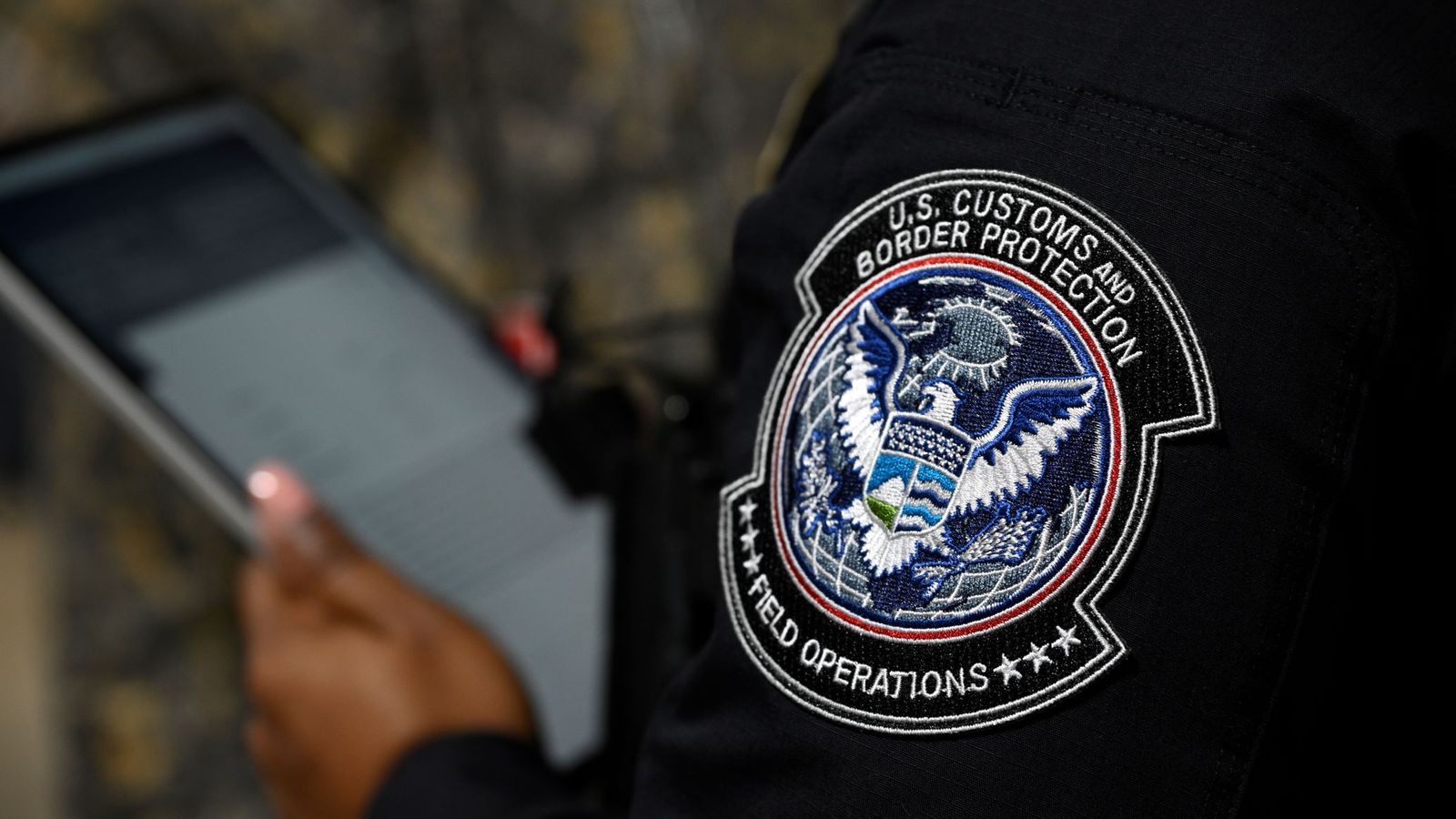
Proposed US Customs and Border Protection rules to collect five years of social media data and extended contact/family history from visa‑waiver (ESTA) travellers could materially deter inbound tourism, with a WTTC‑commissioned survey of >4,500 respondents indicating one‑third are less likely to visit and 66% already aware of the proposals. WTTC modelling estimates a potential $15bn decline in tourism spending and the loss of roughly 157,000 jobs; administration officials, including President Trump, defend the measures as security steps. The policy therefore poses downside risk to US travel, leisure and hospitality demand while broader inbound arrivals remain below pre‑pandemic levels (March 2025 at ~86.4% of March 2019).
Market structure: The proposed social‑media/biometric screening risks a meaningful demand shock to US inbound travel — WTTC estimates ~ $15bn revenue and 157k jobs at stake, and one‑third of travellers saying they’re less likely to visit. Direct losers are US‑centric travel & leisure (Marriott MAR, Hilton HLT, MGM MGM, Las Vegas casino tax bases, big US carriers AAL/UAL); winners are non‑US short‑haul leisure providers and intra‑regional tourism operators that pick up displaced demand (Ryanair RYAAY, European hotel groups). Impact will be concentrated in gateway cities and seasonal leisure corridors over 1–12 months.
Competitive dynamics & cross‑asset: Pricing power shifts to non‑US destinations and domestic US leisure (parks, short drives) as substitution reduces willingness to pay for long‑haul US trips; hotels and airlines dependent on international high‑yield customers will face downgrades to RevPAR and yields by an estimated 3–8% if arrivals fall 5–10%. FX and rates: a sustained fall in inbound travel would modestly reduce USD services demand (basis points), pressure tourism‑dependent muni revenues (NV/NV hotel tax), and increase equity volatility in travel names — limited direct impact to Treasuries or commodities absent broader macro contagion.
Risks & timing: Tail risks include rule expansion to all visa classes, reciprocal foreign restrictions, major litigation blocking enforcement, or rapid policy U‑turn. Immediate (days–weeks): booking softness and sentiment; short term (1–3 months): revenue guidance misses and earnings revisions for travel names; long term (6–24 months): structural reallocation of international routes and corporate travel policies. Hidden dependencies: OTA channel conversion, corporate travel policy changes, and insurance/visa processing times amplify second‑order revenue hits.
Trade implications & catalysts: Key catalysts are the final CBP rule (expected within 30–90 days), Congressional or court challenges, and industry booking curves (TSA throughput, airline load factors) over the next 60 days. Positioning should favor selective shorts in US‑dependent travel/leisure, longs in intra‑regional European/Asian leisure plays, and convex option protection around final rule publication and next two quarterly earnings seasons.
AI-powered research, real-time alerts, and portfolio analytics for institutional investors.
Request DemoOverall Sentiment
moderately negative
Sentiment Score
-0.48
