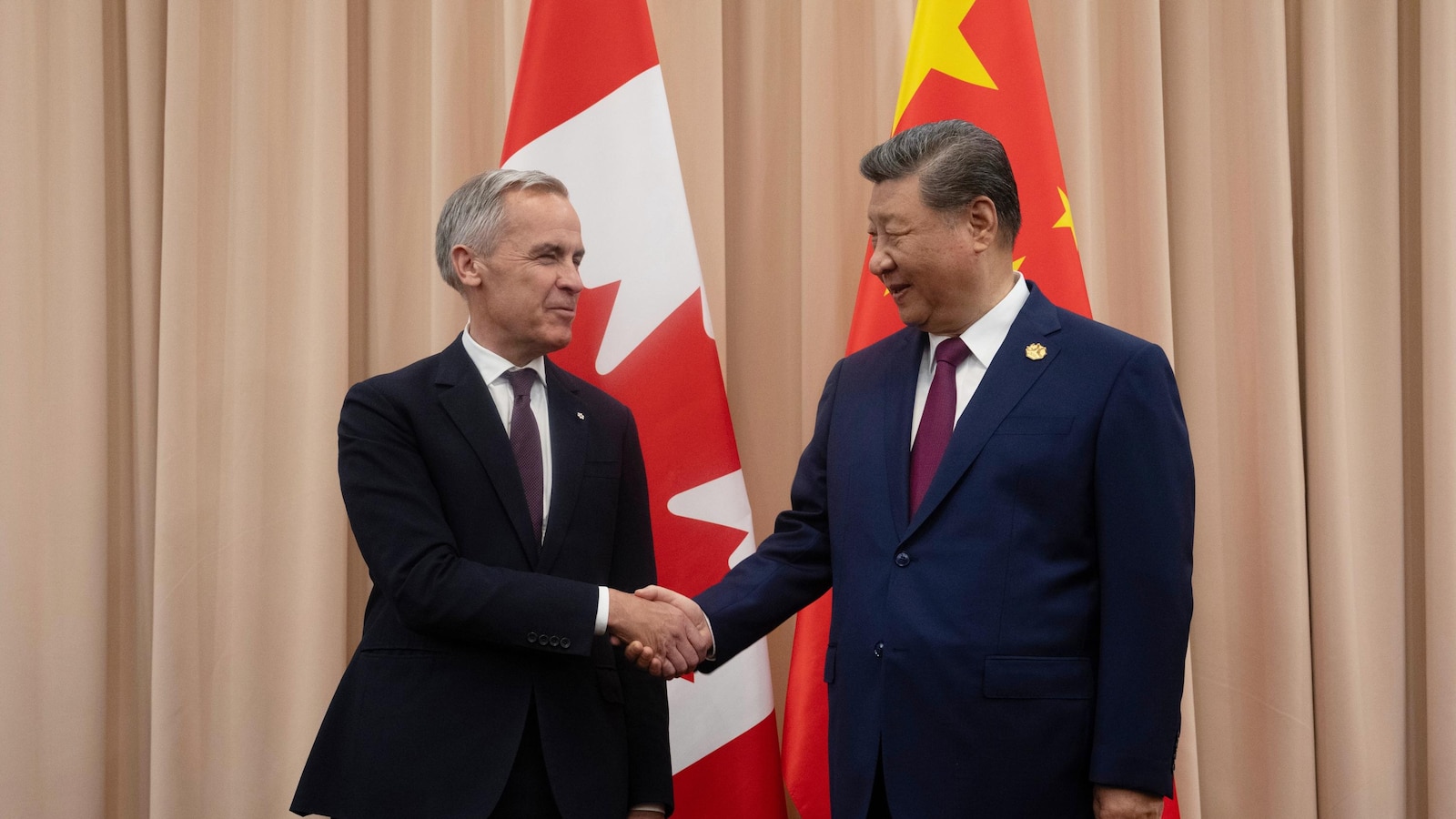
China is urging Canada to pursue "strategic autonomy" from the United States as Prime Minister Mark Carney visits Beijing to repair ties strained by a 2018 arrest and recent tariff actions. Ottawa imposed a 100% tariff on Chinese-made electric vehicles in 2024 and previously set 25% tariffs on steel and aluminum; China has retaliated with tariffs on Canadian canola, seafood and pork. Beijing frames U.S. economic and military pressure as an opening to peel allies away, but analysts expect only incremental trade progress from the visit and little prospect of Canada severing its economic and security dependence on the U.S., leaving targeted downside risk to agriculture, metals and EV-related supply chains rather than broad market moves.
Market structure: China's push to pry Canada from the US amplifies two clear near-term winners (alternative agricultural exporters and large commodity traders) and losers (Canadian ag processors/exporters, select TSX-exposed consumer proteins and seafood). Expect weaker CAD and underperformance for broad Canada beta (EWC) by 3–7% vs. peers if tariffs persist; Chinese EV access loss is symbolic but will not materially change global EV supply chains in 12 months.
Risk assessment: Tail risks include escalation to broader Chinese tariffs (adding metals/energy) or Canadian reciprocal measures that hit supply chains — low probability but could widen Canada sovereign spreads by 20–50bp and push CDS wider in 6–12 months. Immediate (days) volatility will concentrate in FX and agricultural futures; weeks–months see corporate earnings hits for ag exporters; structural decoupling plays out over years and is unlikely to exceed modest trade diversion without geo-political shock.
Trade implications: Tactical trades should focus on FX and commodity/workable pairs: short CAD vs USD (FXC short or USD/CAD calls 3-month expiries), short Canada equity beta (EWC) vs long global ag traders (BG, ADM) to capture trade diversion to Brazil/US. Use 3–6 month put spreads on concentrated Canadian ag names (e.g., MFI.TO) to limit premium while capturing downside from lost China volumes.
Contrarian angles: Market may overprice permanent decoupling — Canada’s economic/military ties to the US cap long-term pivots; if negotiations produce tariff rollbacks within 3–6 months, CAD and EWC could snap back 5–10%. Consider small, hedged, event-driven shorts (2–4% portfolio) rather than large directional bets; opportunities for mean-reversion trades will appear on ceasefire headlines or bilateral deals.
AI-powered research, real-time alerts, and portfolio analytics for institutional investors.
Request DemoOverall Sentiment
mildly negative
Sentiment Score
-0.25
