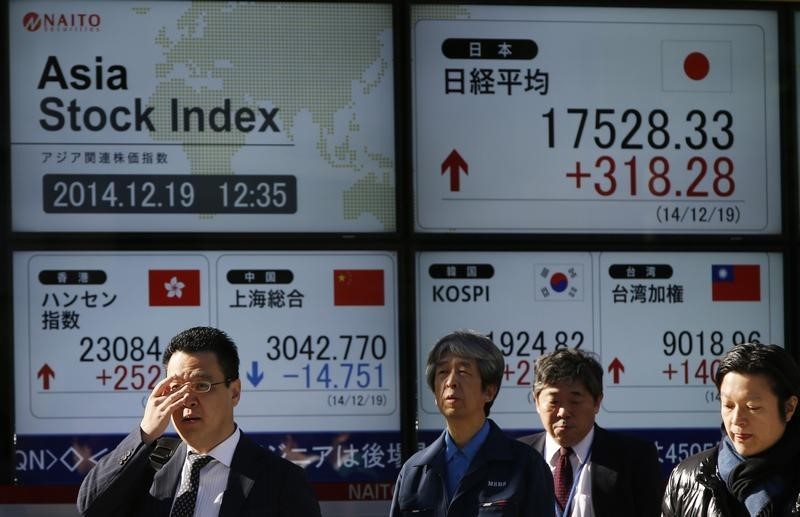
Fresh U.S. strikes in southern Iran dampened risk appetite and reversed part of Monday’s oil selloff, with Brent crude rebounding toward $98 a barrel and U.S. crude near $92. Asian equities were mostly lower, though South Korea’s KOSPI surged more than 3% to a record 8,131.15 on chipmaker and AI-linked buying, while Japan’s Nikkei slipped 0.3% and China’s Shanghai Composite fell 0.8%. The mix of geopolitical escalation, oil price volatility, and broad regional equity moves points to a market-wide impact.
The market is pricing a classic split-screen: headline geopolitics is incrementally negative for risk assets, but the bigger second-order effect is cross-asset dispersion rather than a broad de-risking. Energy is the cleanest immediate hedge because the market is effectively assigning a non-zero probability of a temporary supply shock, while the broader equity index reaction should stay muted unless there is evidence of physical disruption to shipping lanes or a widening of the conflict. That makes the next 3-10 trading sessions more about volatility than direction; if diplomatic progress continues without an incident, the recent oil bounce could reverse quickly as positioning unwinds.
The more interesting setup is in semiconductors, where the leadership is being reinforced by two separate flows: catch-up buying after local holidays and a strategic AI/industrial policy narrative that is independent of the Middle East. However, the rally in domestic chip names tied to localization may be partially self-financing of expectations rather than fundamentals; the market is likely to extrapolate policy support and supply-chain substitution too aggressively in the short term. That creates a two-speed trade: foundry/equipment exposure with real earnings leverage versus speculative local designers that can rerate on headlines but have weaker cash-flow backstops.
From a positioning standpoint, this reads as mildly risk-off but not a true risk-off regime. The key downside catalyst is not the peace talk itself; it's an interruption to tanker flows or an escalation that forces higher insurance and freight costs, which would hit Asia ex-Japan industrials and transport names within days, while broader inflation expectations would reprice over weeks. Conversely, any confirmation that shipping routes remain intact should cap crude quickly and restore the bid to cyclicals and quality growth.
AI-powered research, real-time alerts, and portfolio analytics for institutional investors.
Request DemoOverall Sentiment
mildly negative
Sentiment Score
-0.15
