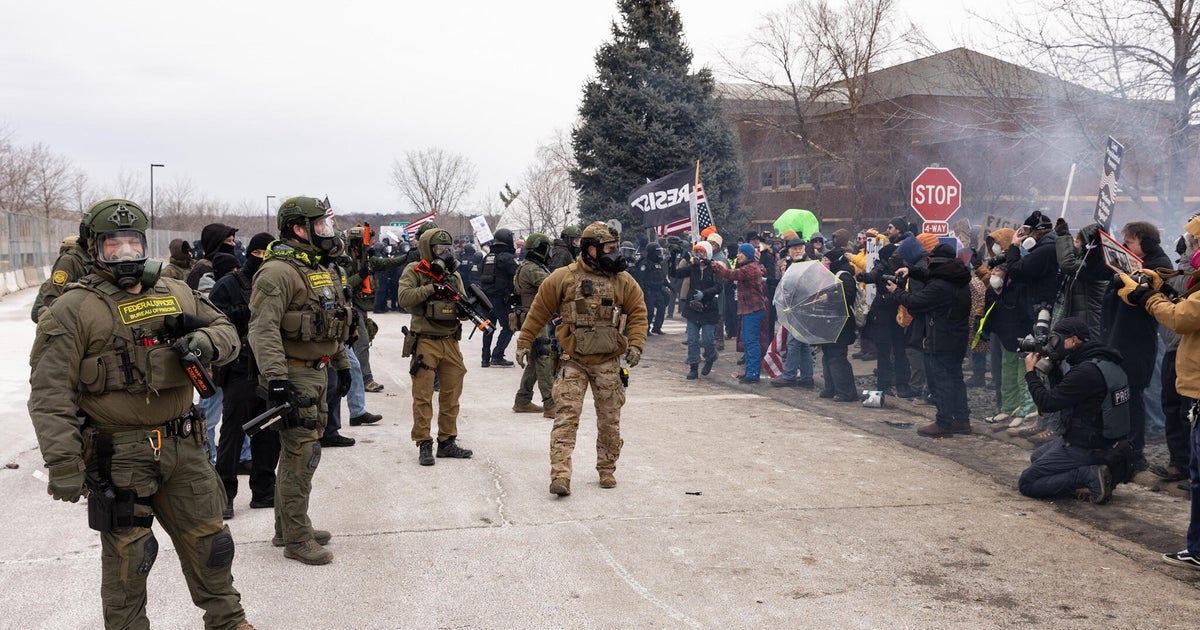
A U.S. district judge issued an 83‑page order barring federal agents deployed to Minneapolis as part of a recent immigration enforcement surge from using pepper spray or non‑lethal munitions on, or arresting, peaceful protesters and from stopping or detaining drivers without reasonable articulable suspicion; the injunction remains in effect until the surge concludes. The ruling follows the deployment of thousands of federal agents, protests amplified after an ICE agent fatally shot a man, a civil suit alleging First and Fourth Amendment violations, and concurrent federal scrutiny of Minnesota officials—developments that raise local political and operational uncertainty but are unlikely to move national financial markets.
Market structure: The judge's injunction is a localized de‑risking of federal crowd‑control tactics that favors plaintiffs, civil‑rights litigators and litigation finance (greater expected damages/settlements) while reducing near‑term demand for non‑lethal crowd‑control consumables. Expect a modest shift of federal procurement priorities toward surveillance, analytics and legal/compliance services; beneficiaries are government‑contract data/tech vendors.
Risk assessment: Tail risks include escalation (violent clashes or wider federal rollouts) that could prompt national policy changes or large settlements; probability low–medium but impact high on local muni credit and DHS contractors. Immediate window (days–weeks): reputational/legal headlines and VIX spikes; 1–3 months: litigation outcomes and federal appeals; 6–24 months: procurement re‑directing budgets toward tech and legal services.
Trade implications: Favor small, concentrated exposure to litigation‑finance and government‑tech winners while hedging macro equity risk. Use short dated volatility hedges for headline risk (30–90 day) and buy 3–6 month exposure to L3Harris/Leidos style contractors and Burford‑type names for procurement/legal spend reallocation.
Contrarian angle: Consensus understates follow‑on procurement and insurance repricing: if enforcement tools are legally constrained nationwide, DHS may accelerate contracts for remote monitoring and data platforms (benefit to LHX/LDOS/PLTR) while litigation finance firms see outsized returns from settlements. Unintended consequence: insurers and muni debt markets may reprice exposure to protest‑driven liabilities, creating arbitrage in stressed local credits.
AI-powered research, real-time alerts, and portfolio analytics for institutional investors.
Request DemoOverall Sentiment
neutral
Sentiment Score
0.00
