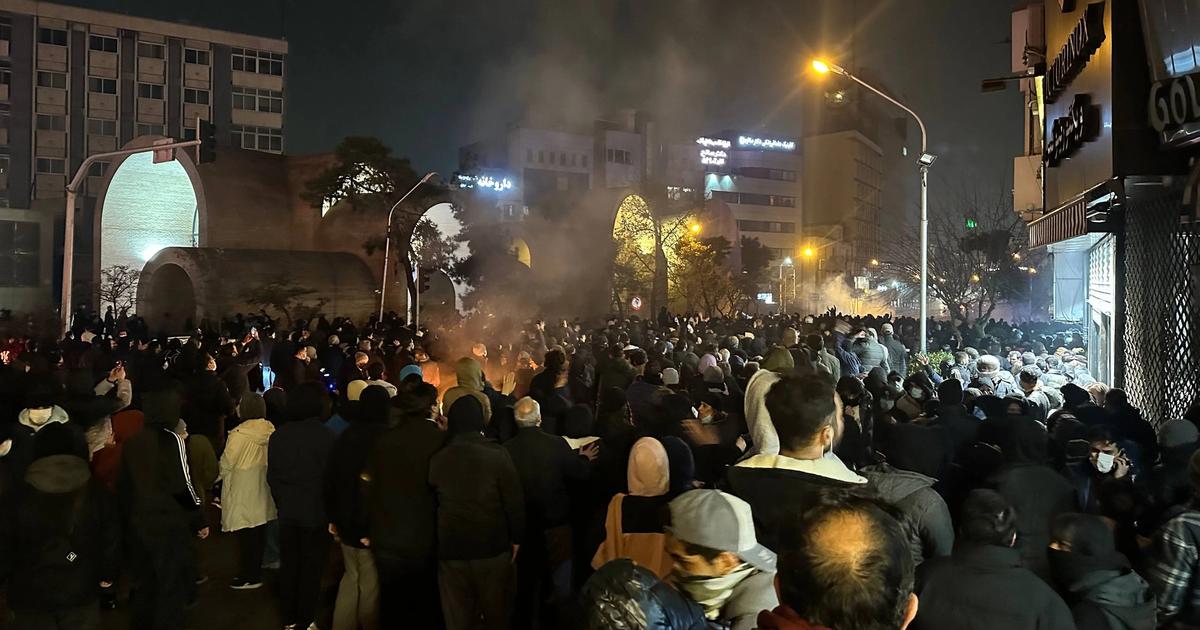
The article centers on escalating Iran-related geopolitical risk, including an execution tied to anti-government protests, alleged Iran-linked activity in the UK, and ongoing sanctions and security concerns. It also highlights major stress in Tehran’s stock market, which has been closed for two months and may reopen in phases amid war damage, opacity, and possible capital flight. The backdrop of conflict, proxy activity, and weak market structure points to heightened risk for regional assets and broader sentiment.
This is a classic regime where state repression, wartime propaganda, and market controls reinforce each other rather than offset each other. The near-term implication is not just higher domestic political risk; it is a widening discount rate on any Iranian asset linked to policy credibility, with banks, insurers, and domestically exposed industrials bearing the brunt as capital flees into hard currency, gold, and offshore proxies.
The stock-market reopening matters less as an equity event than as a liquidity stress test. If authorities phase in weak names or delay damaged exporters, they can temporarily suppress price discovery, but that also concentrates latent selling pressure into the first tradable window and raises the odds of an air-pocket move. The second-order winner is the gray market: FX dealers, bullion flows, and cross-border asset stores should see higher volumes as households and funds seek instruments that are harder to freeze, tax, or reprice administratively.
The security angle also bleeds into Europe. The UK cases and recruitment pattern suggest a low-cost, deniable playbook that is hard to disrupt because it relies on atomized proxies, not sophisticated networks. That raises the odds of sporadic headline risk against UK retail, insurance, transport, and property names near Jewish institutions, but the larger investable effect is on risk premia for UK domestic security spending and surveillance vendors, not on direct earnings exposure.
Contrarian read: the market may be underestimating how quickly a limited de-escalation could trigger a relief rally in hard assets if it unlocks any export/FX normalization. But absent a meaningful sanctions reprieve, reopening Iranian equities is more likely to become a forced-liquidity event than a valuation reset. In that base case, the right trade is to fade any reopening optimism and express it through assets that benefit from capital flight and FX stress, not through a direct Iran equity proxy.
AI-powered research, real-time alerts, and portfolio analytics for institutional investors.
Request DemoOverall Sentiment
strongly negative
Sentiment Score
-0.70
