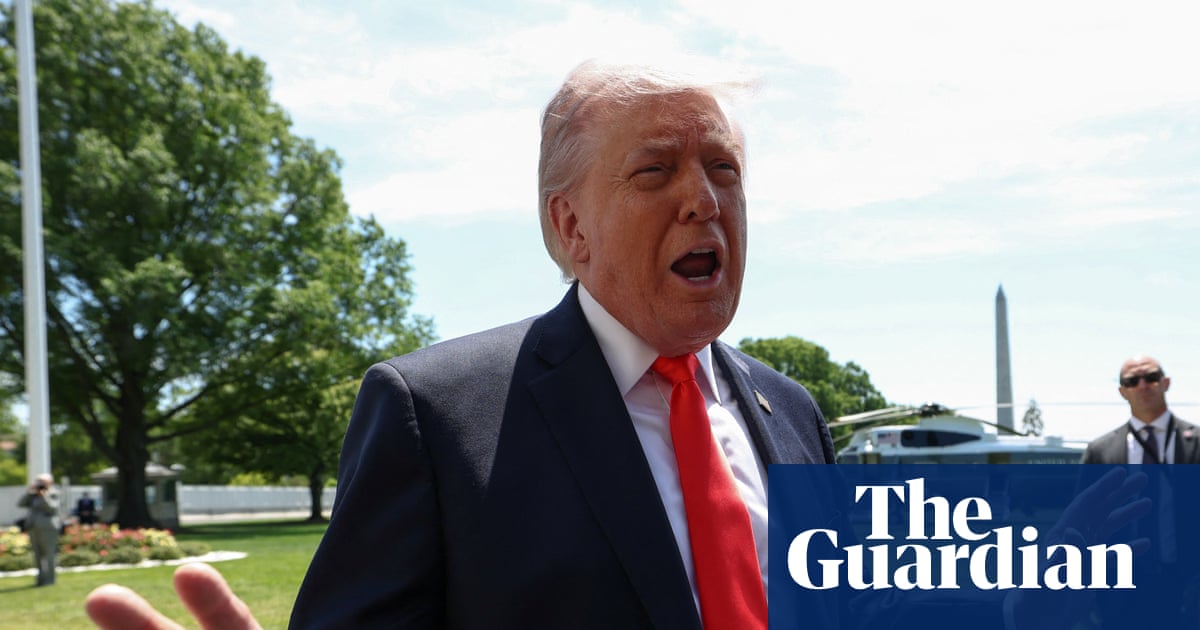
Trump said he will raise tariffs on EU cars and trucks imported into the US from 15% to 25% starting next week, citing noncompliance with the EU trade deal. The move raises trade-war risk for European automakers and supply chains, while the EU is preparing a forceful diplomatic response. The announcement also heightens transatlantic tensions amid earlier threats to reduce US troop deployments in Europe.
This is less a one-off tariff headline than evidence that the EU-US automotive regime is now being used as a bargaining chip across unrelated dossiers. The near-term market effect is a widening of the valuation gap between OEMs with meaningful US manufacturing footprints and those still dependent on transatlantic finished-vehicle flows. The second-order winner is not necessarily the obvious US domestic automaker complex; it is suppliers and assemblers with flexible North American capacity, local content, and the ability to redirect inventory within one to two quarters.
The most important transmission mechanism is margin compression through mix, not just direct tariff pass-through. European premium OEMs can partially raise prices, but the elasticity problem shows up first in fleet sales, dealer incentives, and residual values, which then feeds leasing economics and captive finance provisions. If the tariff level holds for even a single quarter, expect a measurable slowdown in EU vehicle shipments, a build in EU port inventories, and incremental order capture by Mexico-based production and US transplant plants that can qualify for exemptions or local assembly treatment.
The bigger tail risk is political contagion: trade retaliation could expand from autos into industrial equipment, chemicals, and even defense-adjacent procurement. That would matter more over months than days because corporates will defer capex before they change sourcing, creating a second-round hit to European cyclicals and North American logistics volumes. Conversely, if Brussels offers a fast-track concession package or separates auto from the broader deal, the move may fade quickly; the market should treat the next 2-4 weeks as the key catalyst window.
The contrarian angle is that the headline may actually reinforce the strategic logic of onshoring and North American assembly rather than depress the sector wholesale. Any company already running spare capacity in the US/Mexico corridor gains pricing power and bargaining leverage with OEMs looking to de-risk tariff exposure. The best risk/reward may therefore be in relative trades rather than outright shorts: avoid betting against the whole auto complex when the beneficiary set is likely to broaden if policy uncertainty persists.
AI-powered research, real-time alerts, and portfolio analytics for institutional investors.
Request DemoOverall Sentiment
strongly negative
Sentiment Score
-0.65
