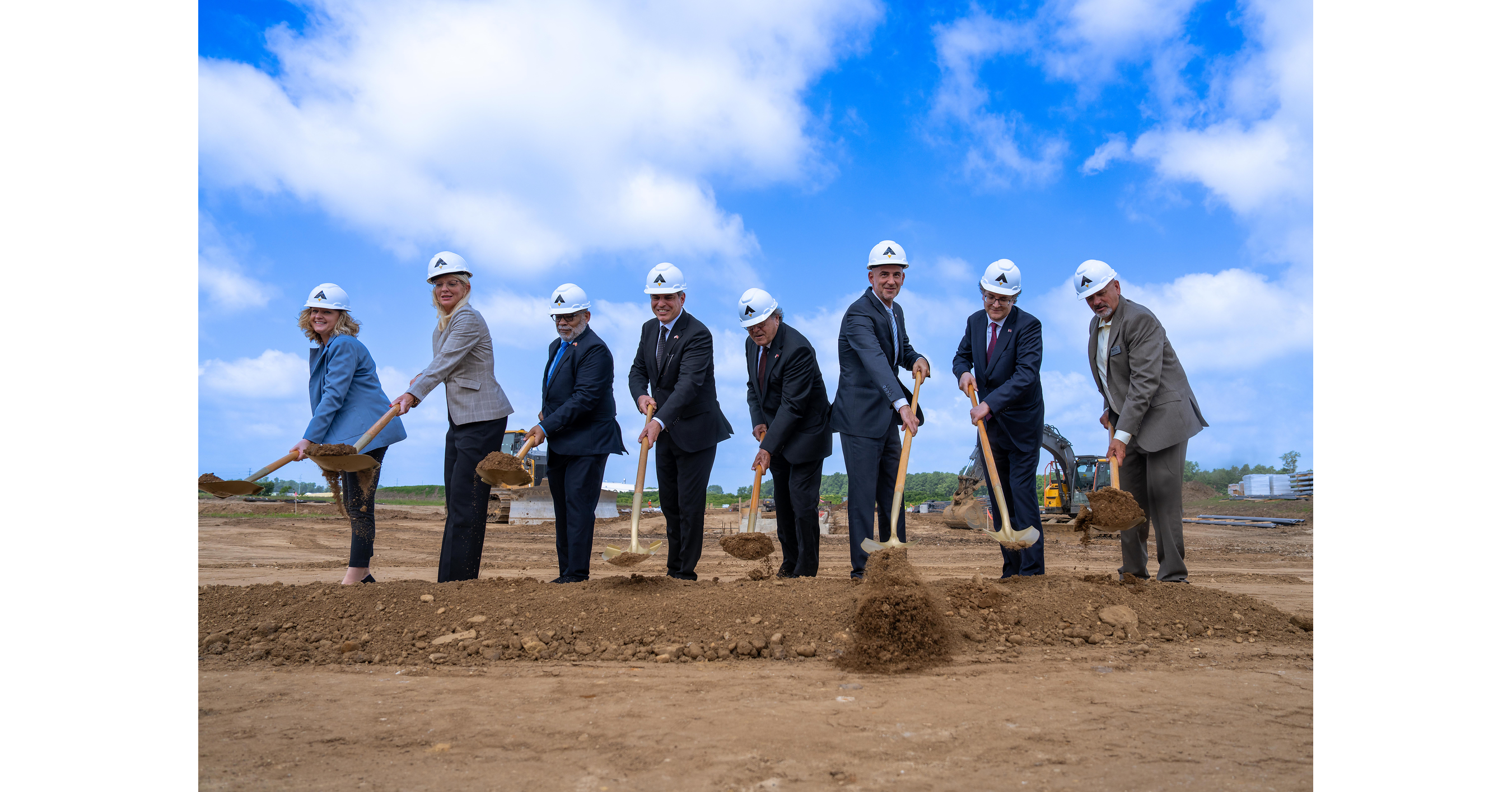
Fibrosan broke ground on a new manufacturing facility in Cassopolis, Michigan, expected to be operational by March 2027. The Phase 1 build will add 35 jobs and enable just-in-time domestic production to reduce lead times and supply-chain disruption risk, while a Phase 2 expansion planned to triple capacity targets rising North American demand.
This is a supply-chain localization story, not a near-term earnings story. The economic value sits with North American OEMs that care about lead times, working capital, and disruption risk more than unit price; the first-order benefit is fewer expedites and lower safety stock, which can matter more than a small raw-material discount. That makes the signal more relevant for RV and commercial-vehicle assemblers than for Fibrosan itself until the plant is actually operating and ramps with firm contracts.
The main losers are offshore or import-dependent FRP suppliers that compete on availability rather than differentiation. If Fibrosan reaches scale, pricing discipline in FRP laminates could weaken, but only if demand stays firm enough to absorb incremental capacity; otherwise this becomes margin dilution for the whole chain. CVGI is only a loose proxy here, but any improvement in North American component reliability is modestly constructive for its customers and slightly negative for suppliers whose value proposition is freight arbitrage.
Contrarian take: the market may overestimate the importance of a groundbreaking and underestimate execution risk. A 2027 start date means the catalyst is measured in quarters, not days, and Phase 2 is optionality, not capacity. The real falsifier is weak RV/commercial build rates or no announced anchor customers; without that, this is more a competitive positioning move than a cash-flow event.
AI-powered research, real-time alerts, and portfolio analytics for institutional investors.
Overall Sentiment
mildly positive
Sentiment Score
0.25
Ticker Sentiment
