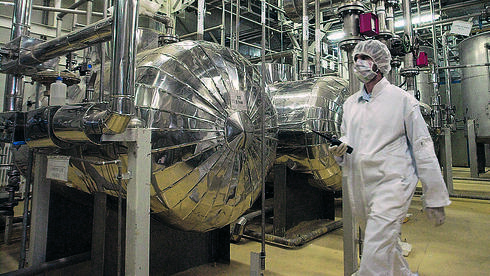
Iran's uranium stockpile is estimated at about 11 tons across varying enrichment levels, a volume that could potentially be refined into material for up to 100 nuclear weapons, according to the report. The sharp increase follows the U.S. withdrawal from the 2015 nuclear deal in 2018 and the return of sanctions, making the stockpile a central issue in resumed negotiations. The development raises geopolitical risk and keeps stricter oversight, enrichment limits, and stockpile reduction measures in focus.
The market implication is less about immediate military action and more about a widening risk premium across the entire Middle East supply chain. As the stockpile question becomes the bargaining chip in negotiations, the most important second-order effect is that any failure mode now carries a longer tail: even without a breakout, repeated monitoring disputes can keep shipping, insurance, and regional infrastructure names priced for intermittent disruption rather than one-off events.
The key asymmetry is that the downside for crude-sensitive equities is likely capped unless diplomacy produces a verifiable rollback, while upside in defense and security-linked names can persist for quarters if talks stall. The broader uranium overhang also raises the probability that governments reintroduce tighter export-control style measures around nuclear-related equipment, inspection technology, and hardened infrastructure, which tends to benefit niche suppliers more than the headline defense primes.
A contrarian read is that the stockpile number may be signaling negotiating leverage rather than imminent weaponization. If so, the consensus may be overpricing the near-term catastrophe risk and underpricing a deal that only slows, rather than fully reverses, Iran’s program — a scenario that would compress geopolitical volatility quickly but leave sanctions enforcement as the durable market theme. That matters because markets often fade geopolitical headlines after the first escalation, but enforcement regimes usually create the longer-duration trades.
For timing, the next 2-8 weeks are mostly headline-driven; the more durable catalyst window is 3-12 months, when monitoring access, sanctions coordination, and any enrichment cap become observable. If talks fail, expect a repricing in shipping, energy logistics, and defense procurement rather than just crude.
AI-powered research, real-time alerts, and portfolio analytics for institutional investors.
Request DemoOverall Sentiment
moderately negative
Sentiment Score
-0.35
Ticker Sentiment
