
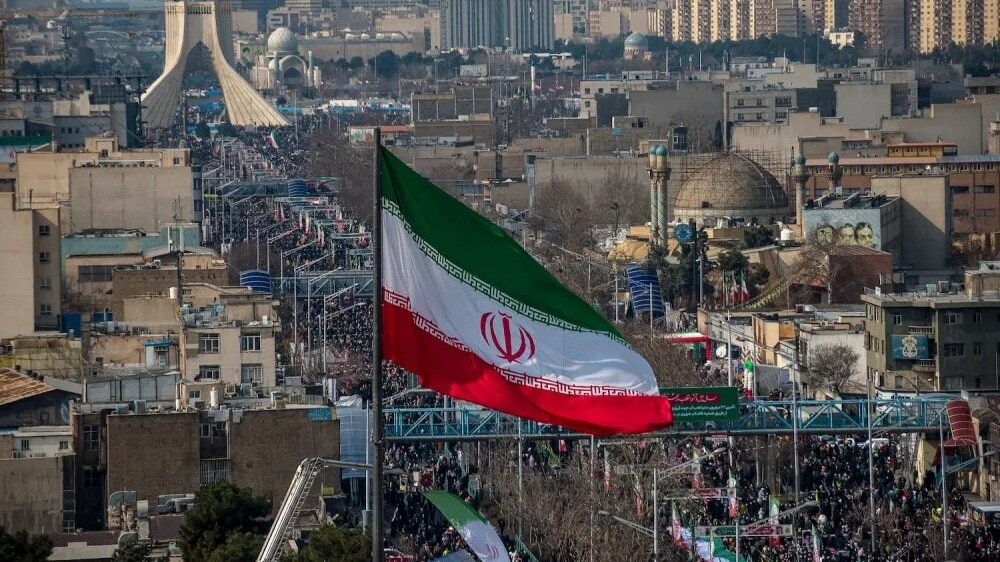
US and Israeli strikes on Iran on Feb. 28 and Tehran’s retaliation have sharply raised the risk of broader disruption to global oil supply, given Iran’s estimated 208–209 billion barrels of reserves (~12% of global) and concentrated production/export infrastructure. Iran currently produces ~3.3–3.5m bpd of crude (~3% of global supply), exports ~1.3–1.5m bpd (mostly to China), and depends on Kharg Island and the Strait of Hormuz—through which ~20m barrels/day transit (~20% of global consumption) —creating a chokepoint exposure; JPMorgan warns prices could surge above $100/bbl in a severe disruption. Limited spare capacity, sanctions-constrained investment, and concentrated fields/refineries (Khuzestan, Kharg) heighten inflationary and market-volatility risks, making this a material near-term catalyst for risk-off positioning by investors.
Market structure: Immediate winners are upstream oil producers and midstream/tanker owners (majors like XOM/CVX, tanker names STNG/DHT) and defense contractors (LMT, RTX) via higher energy prices and elevated military spending; losers are airlines (UAL, AAL), oil‑importing EMs and long-duration sovereign bonds. Pricing power shifts to producers with spare export capacity and to owners of shipping/insurance who can capture outsized freight and risk premia; refiners’ fortunes will bifurcate by geography depending on feedstock access.
Risk assessment: Tail scenarios include a temporary Hormuz blockade driving Brent >$130/bbl for 2–8 weeks (high impact, <10% probability) or a prolonged disruption (>3 months) causing stagflation and recession risk; immediate (days) volatility will be driven by insurance and routing costs, short-term (weeks–months) by inventories and spare capacity, long-term (quarters) by OPEC+ responses and sanctions. Hidden dependencies: Chinese handling of Iranian exports and OECD stockpile releases can mute shocks quickly; trigger thresholds to watch: Brent >$100 sustained 10 trading days or OW crude tanker rates up 3x.
Trade implications: Tactical plays—establish 2–3% long positions in XOM and CVX (3–6 month horizon) and 0.5–1% in STNG or DHT to capture freight spikes; pair this with 1–2% shorts in UAL/AAL or a put spread (3–4 month expiry) to hedge jet‑fuel pain. Buy Brent call spreads (e.g., 3‑month $90/$130) or long-dated covered-call structures on XOM to balance premium; short TLT (or buy 2s10s steepener) if inflation risk pushes 10‑yr >120bp wider in 1–3 months.
Contrarian angles: The market often overshoots — 2019 Abqaiq losses normalized within weeks once Saudi spare capacity was mobilized, so pure long-duration oil equity positions risk mean reversion; favor options and spreads to cap theta and buy insurance. Mispricings: insurers/reinsurers are pricing in persistent high claims—consider selective long positions in reinsurers after a 15–20% drawdown; conversely, if Brent snaps back below $85 for 5 trading days, quickly trim energy longs and unwind volatility positions.
AI-powered research, real-time alerts, and portfolio analytics for institutional investors.
Request TrialOverall Sentiment
strongly negative
Sentiment Score
-0.60
Ticker Sentiment
