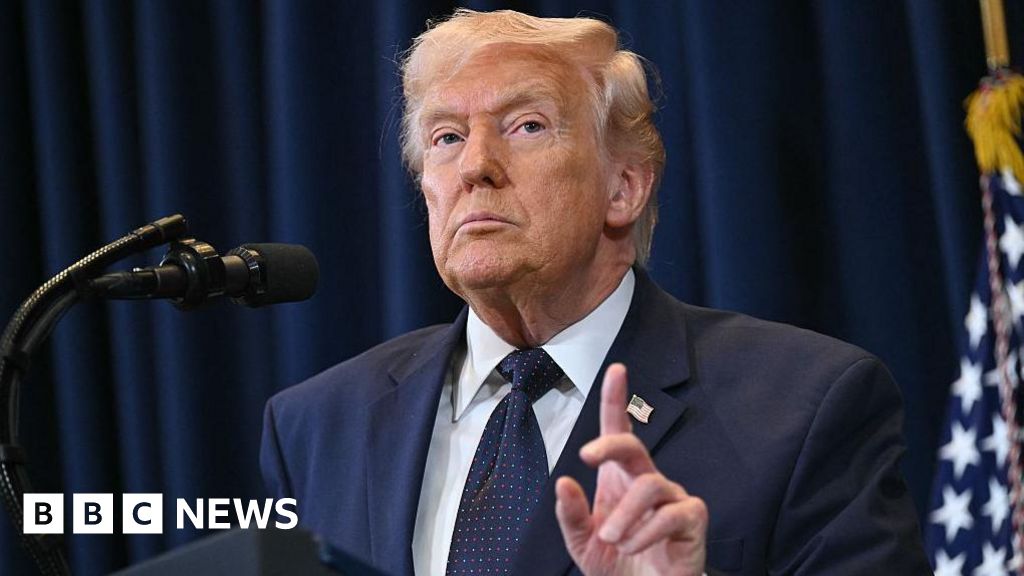
Trump plans to delay his China visit by about one month (originally scheduled Mar 31–Apr 2) to remain available to oversee the Iran war. The conflict has eclipsed other US foreign policy priorities, disrupted global oil supply and risks pushing US fuel prices higher; US and Chinese representatives have continued investment talks in Paris despite the delay.
A near-term slowdown in high-level US-China engagement raises the risk premium on two asset clusters: energy and defense. Energy prices are likely to see episodic spikes (days-weeks) driven by shipping-route and supply fears, which disproportionately benefits upstream producers with flexible output (US shale names) and refiners that can arbitrage regional cracks; conversely, global-demand sensitive sectors (airlines, container shipping) face higher fuel costs and margin compression over the next 1-3 months.
Second-order supply-chain effects matter: delayed bilateral investment and regulatory dialogue increases the probability of slower Chinese capex in semicap, industrial machinery and EV supply chains over the coming 6-12 months — beneficiaries will be regional suppliers that can pivot to domestic or SE Asian demand, while OEMs dependent on timely Chinese permitting/market access will see revenue phasing risk. Also expect FX and capital-flow volatility into Chinese equities to amplify on any rumor of prolonged diplomatic drift, producing short windows for tactical long/short rebalancing.
Key catalysts that would flip the trade are a rapid de-escalation (days) or policy interventions (SPR release, coordinated diplomacy) that knock oil back 10-20% within weeks, and a substantive private US-China deal (months) that removes longer-term trade uncertainty. Tail risks include wider regional escalation or major shipping disruption (multi-week) which would push Brent toward $100+, and political pressure for sanctions or export controls that would extend supply-chain normalization to years rather than quarters. Our working base case is higher volatility with mean-reversion opportunities — trade tactically around event risk windows rather than committing to long-duration directional exposure.
AI-powered research, real-time alerts, and portfolio analytics for institutional investors.
Request DemoOverall Sentiment
mildly negative
Sentiment Score
-0.15
