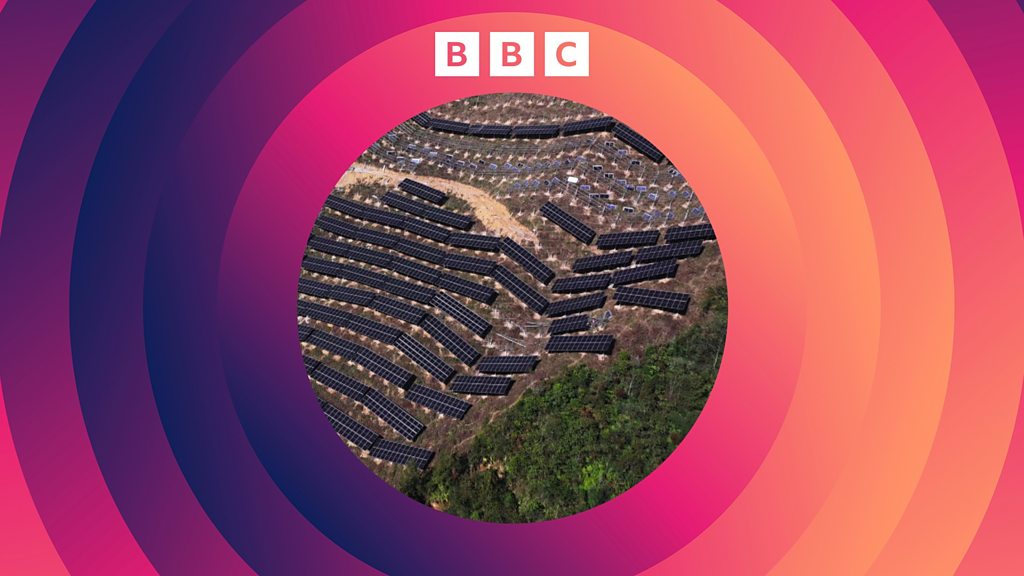
China is rapidly deploying solar panels and wind turbines — including large projects in Inner Mongolia, Yunnan and floating solar — such that its greenhouse gas emissions may have already peaked, a development that would be a major milestone given China’s status as the largest global emitter. The report notes persistent coal demand and new coal plants in parts of the country, underscoring a mixed transition that matters for investors in renewables, energy and ESG-linked strategies as well as for global emissions trajectories.
Market structure: Rapid Chinese build-out of solar/wind shifts revenue toward PV module makers, inverter/storage suppliers and grid upgrades while pressuring thermal-coal generators and coal miners. Expect module and polysilicon demand to grow >20% y/y in 2026 if installations continue, but oversupply could drive module ASP declines of ~15–25% within 12 months, compressing margins for mid/small manufacturers. Winners: large vertically integrated names and storage/balancing providers; losers: regional coal producers and standalone small-cap module firms.
Risk assessment: Tail risks include abrupt policy reversals (renewed coal-support subsidies or export curbs on polysilicon) and systemic grid curtailment; each is low-probability but could move stocks ±30–50% in 3–12 months. Immediate (days) volatility will track Chinese policy headlines and emission-stat releases; short-term (3–6 months) depends on curtailment rates and module ASPs; long-term (2–5 years) hinges on transmission build-out and storage deployment. Hidden dependencies: effectiveness of battery storage rollout, provincial fiscal capacity, and cross-border polysilicon/logistics constraints.
Trade implications: Favor large-cap, integrated clean-energy exposure and grid/storage over pure-play small module vendors. Tactical plays should be size-managed and event-driven around China’s next energy-data releases and National Energy Administration guidance (next 30–90 days). Cross-asset: easing coal demand should pressure thermal utility bond spreads and reduce coal spot prices; copper and lithium demand remain supportive, benefiting miners and battery makers.
Contrarian angles: Consensus may overvalue module manufacturers while underweighting curtailment and margin erosion; shorting smaller Chinese suppliers that lack balance-sheet flexibility could pay off if ASPs fall >20%. Historical parallel: early US shale capex spur then consolidation—expect consolidation in Chinese PV (2–3 year window) creating 20–40% upside for surviving leaders. Unintended consequence: faster renewables growth could amplify regional fiscal stress in coal provinces, creating credit opportunities in distressed local bonds.
AI-powered research, real-time alerts, and portfolio analytics for institutional investors.
Request TrialOverall Sentiment
mildly positive
Sentiment Score
0.25
