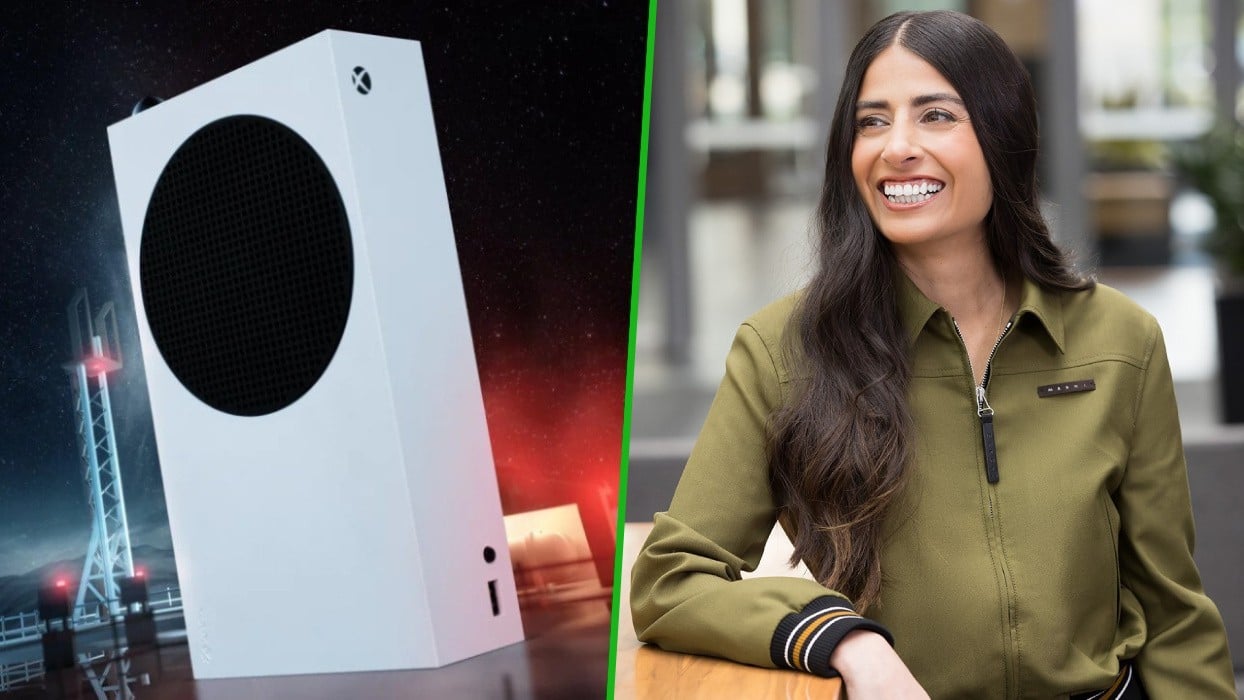
Xbox said it is re-investing in Gen9 console features as a first-class experience, with a new team already delivering dashboard and achievement updates. Management also signaled bi-weekly console updates through the rest of 2026 and said the division’s goal is to return to growth in 2027, though it declined to guide on Series X/S sales. The commentary is constructive for user experience and platform engagement, but it does not include a near-term revenue or hardware sales catalyst.
The important signal here is not incremental feature work; it is that management is treating console-installed base retention as an operating lever again. That matters because a better device experience can slow churn to rival ecosystems, improve engagement frequency, and preserve digital monetization even if unit sales stay flat. For MSFT, this is a low-CAPEX way to defend a sticky ecosystem; for competitors, it raises the bar on platform quality at a time when consumer hardware differentiation is already thin.
The second-order effect is on the software and services stack: higher daily active usage tends to improve attach rates for subscriptions, marketplace spend, and first-party content economics with a lag of 2-4 quarters. The bigger implication is that management is implicitly acknowledging prior underinvestment, which makes this look more like a catch-up cycle than a true step-function acceleration. That means the upside is real but likely slower-burning than the market may want.
The key risk is that execution on console quality does not translate into unit growth, so investors may overread the messaging as a hardware inflection when it is really a retention campaign. If the installed base keeps aging without a meaningful new hardware catalyst over the next 6-12 months, the benefit will cap out at engagement stabilization rather than revenue reacceleration. The contrarian angle is that this could actually be more valuable than a short-lived sales pop, because platform health is the prerequisite for any 2027 growth reset.
Consensus is likely underestimating how defensive this is for MSFT’s gaming flywheel and overestimating how much a console business must grow in units to be strategically important. The setup favors patience: a modest operational improvement now, with more visible financial impact only if update cadence and engagement metrics remain strong into 2026. If that happens, the market may have to re-rate the durability of the gaming ecosystem rather than the headline console sales narrative.
AI-powered research, real-time alerts, and portfolio analytics for institutional investors.
Request TrialOverall Sentiment
mildly positive
Sentiment Score
0.15
Ticker Sentiment
