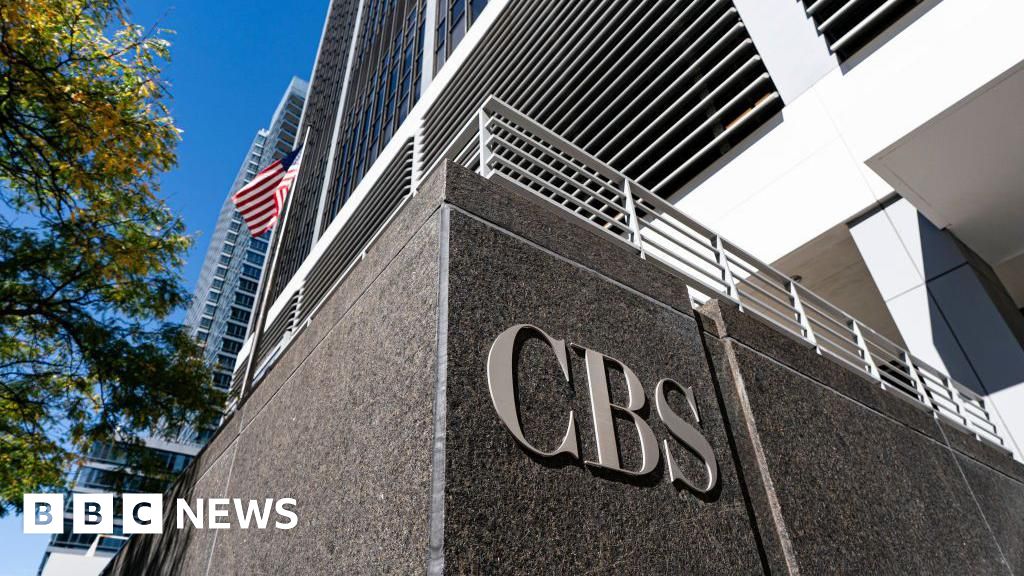
CBS News will shut down its radio service on 22 May, impacting more than 700 affiliate stations and potentially cutting over 60 jobs (around 6% of its workforce). The move is attributed to changing radio programming strategies and economic pressures under new owner David Ellison and editor-in-chief Bari Weiss, who is pursuing restructuring and digital investment; Paramount recently settled a related lawsuit for $16m.
This is a strategic signal that resources are being reallocated away from one-to-many linear audio toward targeted, measurable digital audio and video—a shift that should compress supply of premium syndicated radio inventory and raise the value of programmatic audio inventory. Expect short-term dislocation: local stations and advertisers will scramble to replace national network feeds, increasing demand for third-party syndicators and independent production shops over the next 3–12 months, which creates arbitrage windows for buyers of content libraries.
Credit-constrained broadcasters with high fixed costs are the most exposed: they face a revenue gap while needing to bid for replacement programming or invest in digital stacks. That dynamic favors large, highly-programmatic platforms with scale and measurement (they can monetize displaced ad dollars at higher CPMs) and creates a 12–24 month consolidation runway where asset prices for distressed regional players could fall 25–50% before buyers step in.
There is also an idiosyncratic governance/political tail risk that can intermittently depress national ad buys; such episodes are short-lived but can amplify volatility in quarterly ad revenue and guide-downs over 1–2 quarters. Leading indicators to watch are aggregate audio CPMs, affiliate churn rate, agency RFP volume, and any announced content pick-ups by major programmatic platforms—each is a near-term catalyst that will re-price both winners and losers.
For portfolio construction, treat this as a sectoral rotation rather than a binary media event: favor scalable, measurable ad platforms and selective buy-on-dip opportunities in regional broadcasters only after affiliate-replacement visibility improves. Size positions to reflect execution risk and monitor weekly ad-revenue cadence as a stop-loss trigger.
AI-powered research, real-time alerts, and portfolio analytics for institutional investors.
Request DemoOverall Sentiment
strongly negative
Sentiment Score
-0.60
Ticker Sentiment
