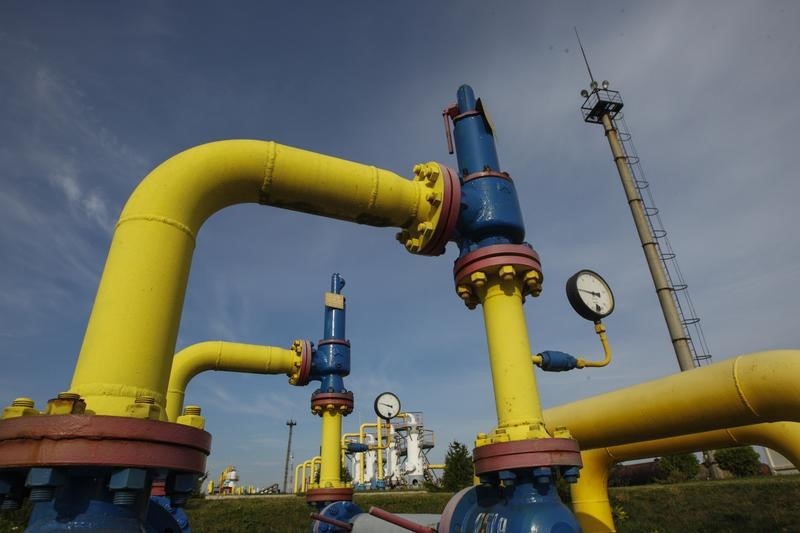
Dutch TTF natural gas futures held at 50 euros/MWh and British gas was flat at 121 pence/therm as U.S.-Iran conflict risks kept energy markets on edge. The article highlights a choked Strait of Hormuz, roughly 43% full European gas storage, and a likely 25 bp ECB rate hike, all of which could pressure industrial gas demand and deepen recession risks in Europe.
The market is telling us this is becoming a volatility event rather than a clean directional energy trade. If diplomacy keeps even a small probability of de-escalation alive while physical risk remains elevated, the setup favors selling realized vol on the front end only after spikes, because spot tightness can coexist with range-bound benchmarks until one supply node actually fails. The bigger second-order move is cross-asset: Europe is the marginal price-setter for LNG, so any forced bid in gas exports squeezes Asian buyers next, raising the odds of demand destruction first in Europe’s industrial base and then in discretionary Asian petrochemicals.
The more interesting loser is European cyclicals, not just utilities. Higher input costs plus tighter rates is a classic margin-compression cocktail, but the lag matters: gas-sensitive manufacturers usually start cutting runs within weeks, while unemployment and credit deterioration show up over quarters. That means the first beneficiaries of any energy shock may be balance-sheet quality and pricing power, while the second-order losers are mid-cap industrials, fertilizers, glass, and chemicals with limited pass-through and heavy gas exposure.
Contrarianly, the consensus may be overweighting the headline conflict premium and underpricing the demand response. At these gas levels, Europe can ration its way through the next few months if weather stays benign and storage refill remains orderly; the real bullish catalyst requires either a sustained shipping disruption or a hotter-than-normal summer that forces LNG buyers to bid aggressively. Without that, front-month energy could fade once inventories, alternative flows, and policy signaling absorb the shock.
AI-powered research, real-time alerts, and portfolio analytics for institutional investors.
Overall Sentiment
mildly negative
Sentiment Score
-0.25
Ticker Sentiment
