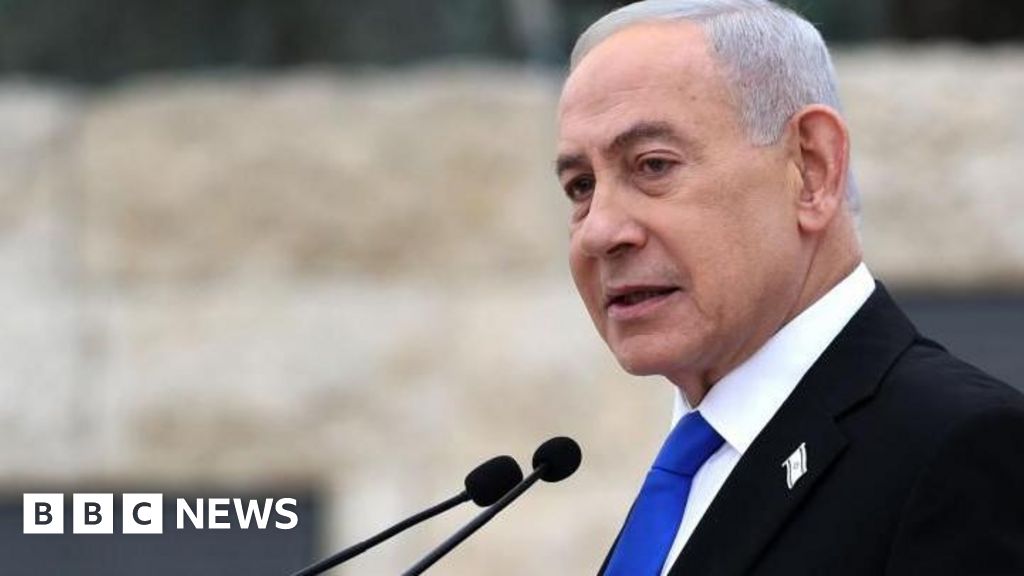
Israeli Prime Minister Benjamin Netanyahu disclosed that doctors removed an early-stage malignant prostate tumour during routine monitoring after surgery for an enlarged benign prostate in 2024. He said the treatment left no trace and that he remains in excellent physical condition. The news is primarily a personal health update, though it comes amid ongoing regional conflict and upcoming White House talks.
This is less a healthcare headline than a governance and signaling event. Netanyahu’s willingness to publicize a resolved medical issue suggests an attempt to reduce succession premium in markets that are pricing policy continuity into war/ceasefire expectations; the key question is not his near-term fitness, but whether coalition dynamics or cabinet infighting become more volatile if opposition figures start pressing the “leadership transition” narrative. In Israel-linked assets, that translates into a modest lower tail on abrupt policy shifts, but a higher near-term noise floor as political actors and regional adversaries probe for perceived distraction.
The second-order market effect is on risk premia around the Iran/Hezbollah file: if Tehran interprets any leadership-health chatter as leverage, you can get short-lived escalation spikes in defense, energy, and FX hedges even if the underlying diplomacy remains intact. The more important horizon is weeks to months, aligned with the White House visit and any extension/implementation issues around the Lebanon ceasefire; those are the likely catalysts for a re-pricing of regional conflict probability, not the medical disclosure itself. A clean diplomatic path would compress volatility, but any sign of coalition fragility or delay in the peace process would quickly restore a geopolitical bid.
The contrarian angle is that this is probably a net positive for continuity, not a negative governance surprise. Markets often overreact to health disclosures for long-tenured leaders, but the larger risk is actually complacency: a leader signaling “I act immediately on risk” may be more, not less, willing to take preemptive military or political actions if he sees room to shape the next phase of negotiations. That makes downside in calm periods limited, while upside in volatility hedges remains asymmetric if talks deteriorate.
AI-powered research, real-time alerts, and portfolio analytics for institutional investors.
Request TrialOverall Sentiment
neutral
Sentiment Score
-0.05
