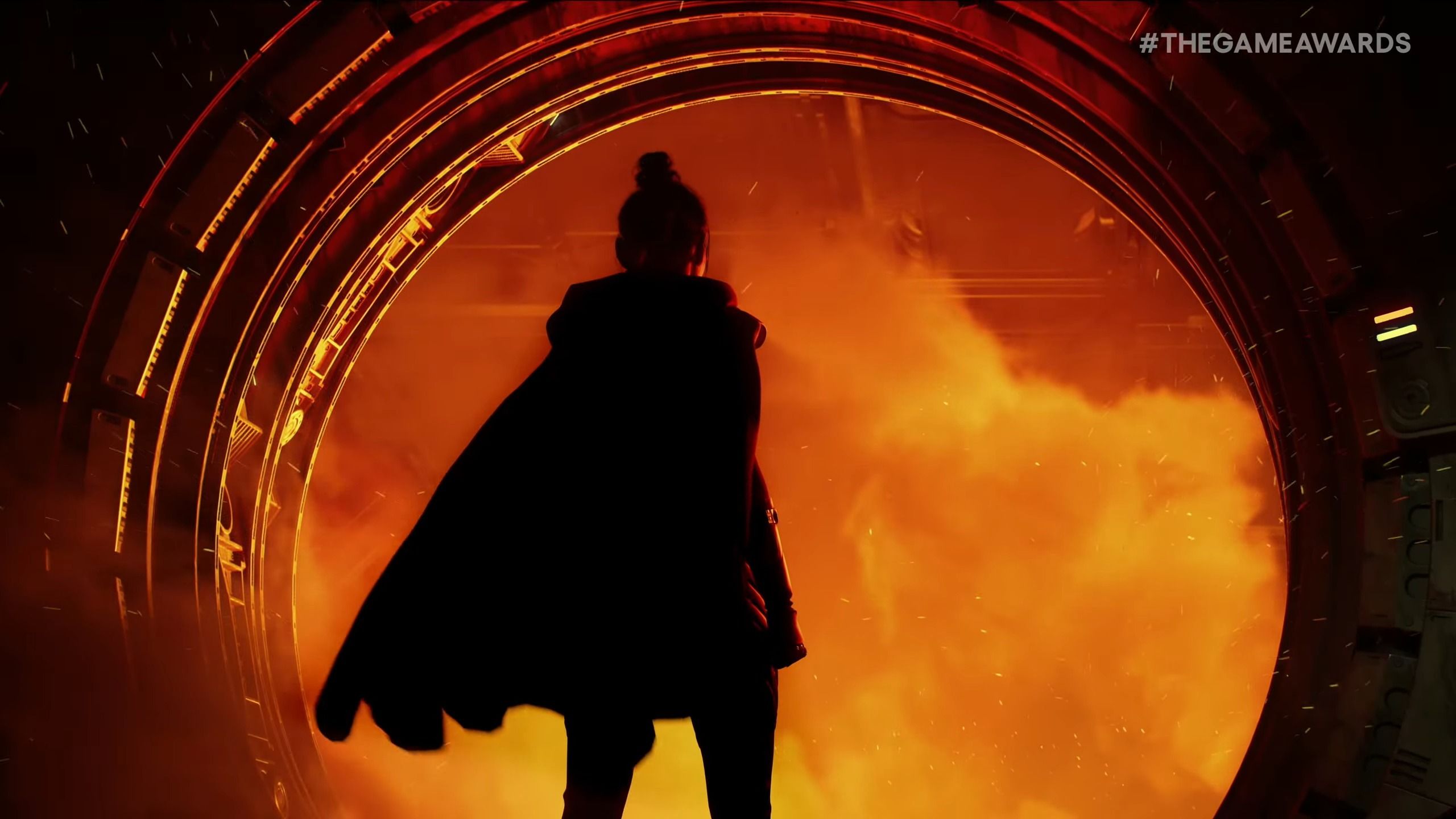
Star Wars: Fate of the Old Republic announced several key developers, including veterans from KotOR, Mass Effect, Dragon Age, and Neverwinter Nights, strengthening confidence in the RPG's development team. The game remains without a release date or window, though Casey Hudson previously said it will launch before 2030. The news is positive for anticipation around the title, but it is unlikely to have meaningful near-term market impact.
This is a low-urgency but high-quality sentiment signal for MSFT’s gaming ecosystem rather than a near-term earnings event. The market tends to underprice optionality around franchise-level IP credibility: when a platform owner is seen as the steward of a beloved legacy RPG, it improves attach-rate expectations for the broader Xbox/PC ecosystem even if the title itself is years away. The second-order benefit is reputational leverage for Game Pass and Xbox content acquisition, where a single “must-play” RPG can improve perceived platform relevance in a segment dominated by Sony’s first-party narrative strength.
The key risk is timing mismatch: this is a multi-year promise, not a fiscal-2026 catalyst, so any valuation impact on MSFT should be small and likely transient unless there is evidence of sustained pre-launch community traction, wishlist momentum, or a marketing beat that broadens the audience beyond legacy RPG fans. Execution risk remains high because nostalgia-heavy projects often suffer from scope creep, and the article itself highlights team pedigree more than shipping certainty. If production slips, the market will quickly reclassify this as branding noise rather than an asset with monetizable optionality.
From a competitive perspective, the real loser is not another publisher but Sony’s high-end single-player RPG positioning if Xbox can credibly revive a dormant premium Western RPG franchise. The contrarian read is that the announcement may already be near peak optimism: pedigree is necessary but not sufficient, and investor enthusiasm should fade unless followed by concrete gameplay reveals, release-window guidance, or cross-platform demand indicators. Until then, this is better treated as a call-option on Xbox content depth than as a fundamental rerating catalyst for MSFT.
AI-powered research, real-time alerts, and portfolio analytics for institutional investors.
Request DemoOverall Sentiment
mildly positive
Sentiment Score
0.28
Ticker Sentiment
