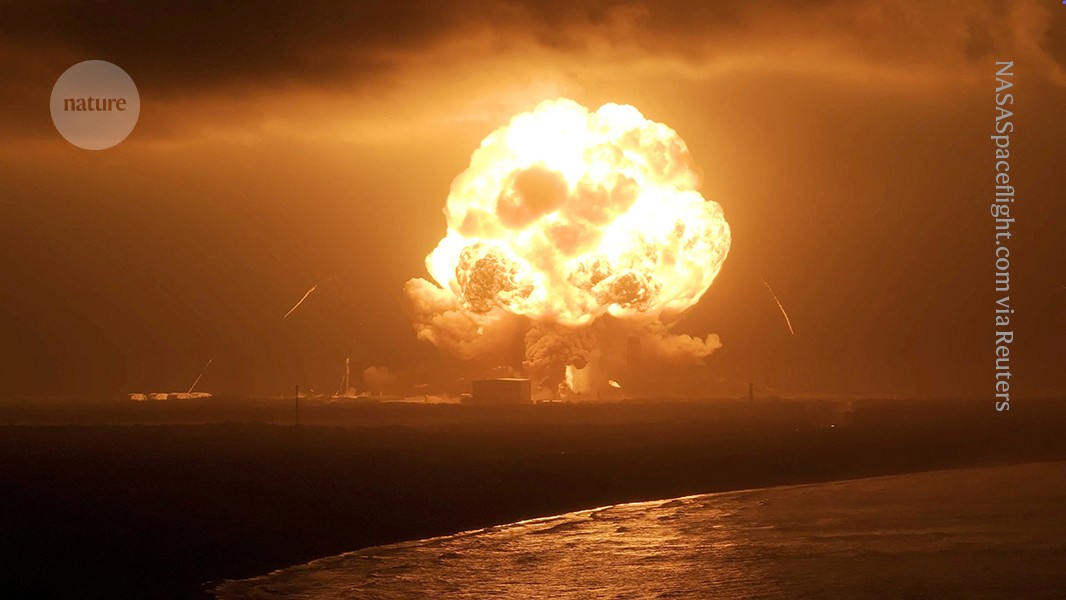
Blue Origin suffered a major rocket-test explosion on 28 May, damaging launch facilities and forcing a re-assessment of its rocket design, temporarily leaving NASA without a key Moon-base partner. The setback could disrupt Blue Origin’s planned Moon mission later this year and its $188 million NASA contract to deliver two lunar rovers by 2028, adding uncertainty to Artemis and Moon Base I timelines. SpaceX is also facing delays after the FAA grounded Starship following its 22 May test mishap.
The immediate market read is not “space setback,” but schedule risk inflation across the lunar commercialization stack. NASA’s dependence on a small set of launch, lander, and surface-logistics providers means one failed test can cascade into redesign reviews, slip penalties, and re-tendering risk; that hurts the weakest balance sheets first, not necessarily the deepest-pocketed primes. The second-order winner is any diversified defense/aerospace prime with adjacent lunar exposure but less program concentration, because agencies will likely de-risk by splitting work across more vendors rather than doubling down on a single point of failure.
The bigger issue is timing mismatch: lunar infrastructure is a capex-heavy, milestone-driven market, while the technical base is still in an experimental phase. That creates a near-term funding overhang for private names tied to lunar delivery hardware, especially those without recurring civil/defense cash flows. Expect procurement to shift toward “proof before production,” which extends the path to revenue recognition by 6-18 months and raises the probability of contract modifications rather than outright cancellations.
The contrarian view is that the program’s optionality is underappreciated. A setback in one launch system may actually improve the long-run economics of the surviving architectures by filtering out underqualified competitors and forcing NASA to simplify requirements. If the agency responds by accelerating dual-sourcing and leveraging established launch providers, the broader lunar theme could re-rate higher once reliability confidence resets.
Catalyst watch: next 2-8 weeks for damage assessment, contract language changes, and any FAA-style grounding spillover; next 3-6 months for award repricing and schedule resets. The key risk to any bearish take is that government programs tend to absorb delays rather than cancel them, so price dislocations in the space supply chain may be more tactical than structural.
AI-powered research, real-time alerts, and portfolio analytics for institutional investors.
Request DemoOverall Sentiment
mildly negative
Sentiment Score
-0.35
