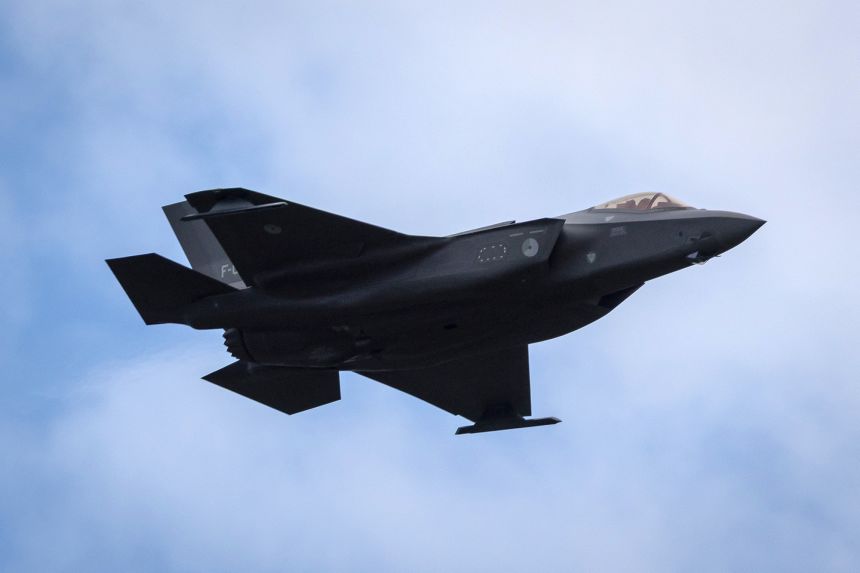
Recent Russian drone incursions into Polish airspace exposed a critical cost asymmetry, as expensive NATO fighter jets intercepted cheap, mass-produced decoys, highlighting the unsustainability of current defense strategies against asymmetric drone threats. This incident underscores the urgent need for NATO to modernize its outdated procurement systems and rapidly adopt innovative, cost-effective counter-drone technologies, with companies like MARSS and Tekever already demonstrating solutions and scaling production to meet the escalating volume of threats. The article emphasizes that while the necessary technology exists, bureaucratic hurdles impede its deployment, creating significant market opportunities for agile defense innovators capable of addressing this evolving challenge.
A recent Russian drone incursion into Poland has exposed a critical strategic and economic vulnerability for NATO, highlighting a severe cost asymmetry in current air defense postures. The use of inexpensive, decoy drones, costing an estimated $10,000 each, necessitated a response from multi-million-dollar fighter jets, a financially unsustainable model for countering mass-produced, asymmetric threats. This incident underscores that the primary bottleneck for NATO is not a lack of technology but a slow, bureaucratic procurement system described as being 'in the 80s,' which impedes the adoption of readily available, cost-effective solutions from innovative firms like MARSS. However, the war in Ukraine is acting as a catalyst for change, creating a 'two-speed' procurement environment and providing a real-world testing ground. This is evidenced by the UK's rapid adoption of Tekever's AR3 drone for its Royal Air Force within six months after the system was proven in Ukraine. Despite these positive shifts and a clear push for reform from US and UK defense leadership, the sheer scale of Russian drone production—estimated at 5,500 units per month—presents a significant volume challenge, forcing companies like Nammo to ramp up production of low-cost missiles and warning that the industry is only at the beginning of its required capacity expansion.
AI-powered research, real-time alerts, and portfolio analytics for institutional investors.
Overall Sentiment
moderately negative
Sentiment Score
-0.40
