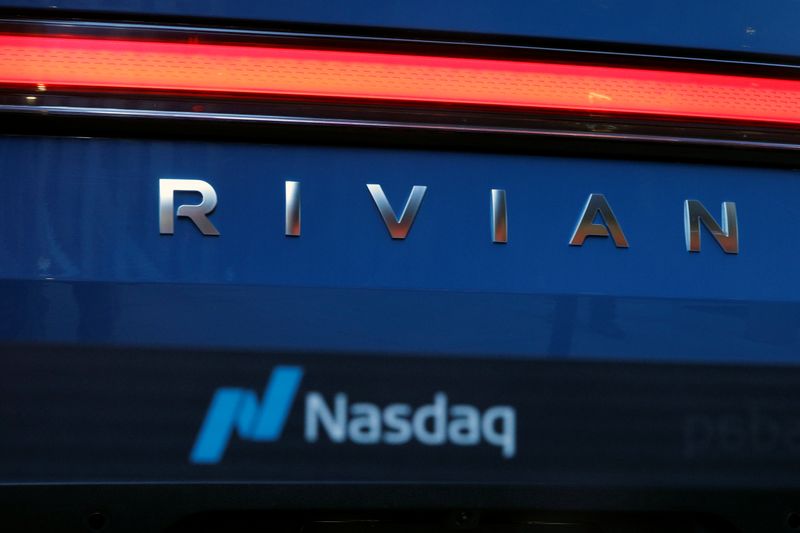
Uber will invest up to $1.25B in Rivian through 2031 as part of a robotaxi partnership, with an initial $300M committed subject to regulatory approval and contingent on autonomy milestones. Uber or its fleet partners are expected to purchase 10,000 fully autonomous Rivian R2 robotaxis, with an option for up to 40,000 additional vehicles beginning in 2030; initial commercial deployments are planned for San Francisco and Miami in 2028 and expansion to 25 cities across the US, Canada and Europe by 2031. Rivian shares jumped ~10% on the announcement; the R2 will use Rivian’s third‑generation autonomy stack (11 cameras, 5 radars, 1 LiDAR) powered by two in‑house RAP1 chips (~1600 TOPS) and is expected to launch in late 2026. The deal materially advances Rivian’s commercialization timeline for Level 4 autonomy and is sector‑moving for EV/autonomy players.
This tie-up creates a concentrated distribution channel and a quasi-captive demand stream for one OEM, which is asymmetric: the OEM gets optionality on fleet scale and revenue visibility while the platform hedges future driver supply costs. The second-order winners are companies that provide fleet-scale telematics, charging-as-a-service and turnkey depot maintenance — these can monetize predictable recurring revenue from high-utilization robotaxi assets. Conversely, suppliers whose TAM relies on selling general-purpose inference compute or commoditized sensor stacks face margin pressure if OEMs internalize those systems; that secular shift compresses long-term aftermarket replacement and software licensing revenues for those vendors.
The key risks are execution and regulatory sequencing rather than headline consumer demand: commercial autonomy economics hinge on sustained high utilization, insurance cost trajectory, and cost-per-mile falling below incumbent driver-based rides. Near-term catalysts that will re-rate the trade are measurable autonomous performance metrics, pilot city approvals, and supplier capacity commitments; missing any of these will materially reset expectations. Capital markets and warranty reserve needs create funding tail risk — the market often underestimates the multi-year cash burn phase between pilot fleets and profitable network effects.
Market reaction is likely to overshoot both ways: early credibility wins upside multiple but the probability-weighted path to scale is low and binary. Tactical plays should treat the story as a multi-year asymmetric option rather than a short-term growth re-acceleration; hedge thoughtfully against regulatory setbacks and component supply squeezes. Monitor supplier order-books, insurance pricing signals, and test-fleet telematics data as high-signal leading indicators of commercial viability.
AI-powered research, real-time alerts, and portfolio analytics for institutional investors.
Request DemoOverall Sentiment
strongly positive
Sentiment Score
0.75
Ticker Sentiment
