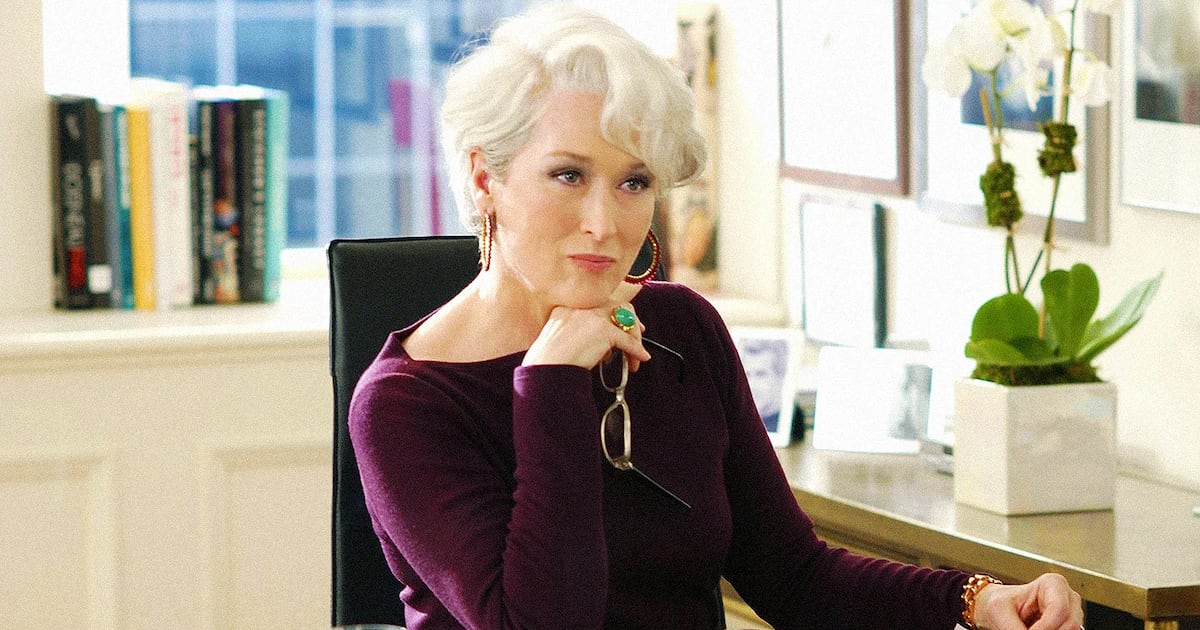
The Devil Wears Prada 2 has already generated $300 million worldwide in its first week, with each of the three stars reportedly earning $12.5 million plus standard box-office bonuses and potentially another $20 million each if momentum continues. Variety also reports the film’s $100 million budget was heavily concentrated in cast compensation. The update is positive for the film’s commercial outlook, but the market impact is limited given it is primarily entertainment-industry news.
Disney’s immediate economic takeaway is not the headline salary math; it is that premium IP is still capable of forcing a step-up in talent economics without impairing demand. That matters because the market has been treating mature media franchises as low-growth assets, yet a sequel with this kind of opening-week velocity shows that recognizable brands can still monetize scarcity of star power and eventization, especially when theatrical windows remain a marketing engine for downstream distribution.
The second-order effect is on bargaining power across the studio system. If this deal is viewed as precedent-setting, it raises the floor for A-list participation in legacy IP revivals, which compresses producer margins on tentpole projects but can also reduce execution risk by securing top-tier talent early. The bigger question for Disney is not the one-film P&L; it is whether this validates a broader strategy of leaning harder into franchise-led content while accepting higher above-the-line costs in exchange for better hit rates and ancillary monetization.
For Netflix, the article is a reminder that star compensation inflation is not exclusive to theatrical studios. Streaming platforms have already been willing to pay for marquee names, but if theatrical tentpoles continue to demonstrate outsized monetization, studios may become more disciplined about reserving top talent for franchise assets rather than one-off prestige projects. That could tighten the supply of premium talent in streaming, incrementally helping Netflix retain pricing power in marquee content negotiations over the next 12-24 months.
The contrarian risk is that investors extrapolate a single breakout sequel into a durable earnings uplift for Disney. The real constraint is not demand for sequels; it is how many equally bankable properties exist that can absorb rising cast costs without requiring a step-up in marketing or production spend. If the next slate underperforms, the current enthusiasm could reverse quickly, because this is a sentiment-positive box office data point, not yet evidence of sustainable operating leverage.
AI-powered research, real-time alerts, and portfolio analytics for institutional investors.
Request DemoOverall Sentiment
moderately positive
Sentiment Score
0.45
Ticker Sentiment
