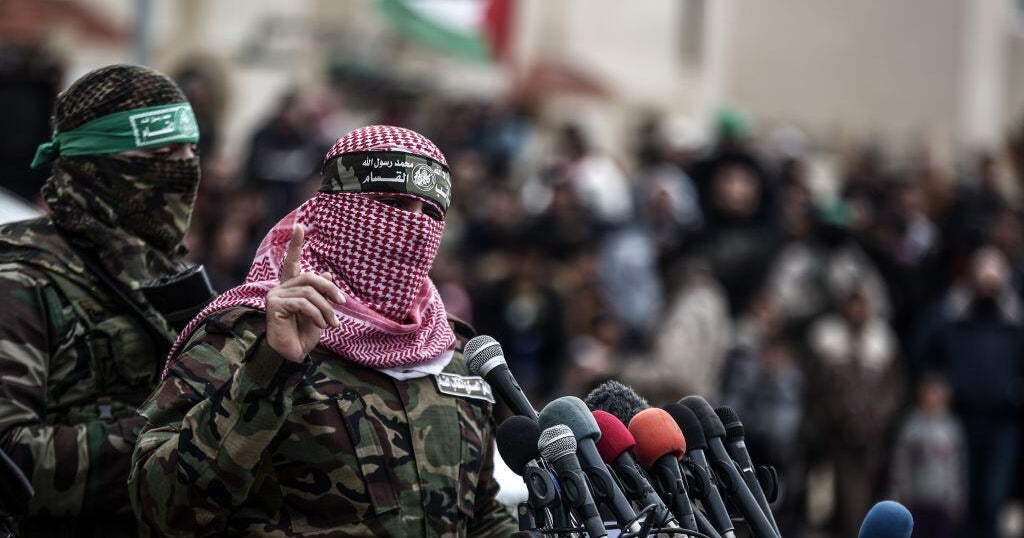
Israel claims to have killed Abu Obeida, a prominent Hamas spokesperson, in an airstrike, intensifying its offensive in Gaza City aimed at dismantling the group's capabilities. This escalation occurs amidst a worsening humanitarian crisis, with significant Palestinian casualties reported, including civilians killed while seeking aid, and a UN-backed declaration of famine in Gaza City, which Israel denies. The situation underscores heightened geopolitical risk and the complex challenges of aid delivery in the conflict zone.
The claimed killing of Hamas spokesperson Abu Obeida by an Israeli airstrike marks a significant escalation in the ongoing conflict, signaling an intensified military offensive in Gaza City. This action is part of a stated strategy to dismantle Hamas's military and leadership capabilities following the October 7th attack. The declaration of Gaza City as a combat zone, coupled with increased airstrikes, corroborates this strategic shift. However, these military developments are unfolding amidst a severe and worsening humanitarian crisis. Reports from local hospitals indicate at least 43 Palestinian fatalities since Saturday, with multiple accounts of civilians, including those seeking aid, being killed by Israeli fire near the Netzarim Corridor. The situation is further complicated by a declaration of famine in Gaza City by the UN-backed Integrated Food Security Phase Classification. This finding, supported by qualitative assessments from organizations like the UN World Food Programme, is directly contested by the Israeli government, which denies the existence of a famine. This stark divergence in reporting between international bodies and the Israeli state introduces significant uncertainty and elevates geopolitical headline risk for investors.
AI-powered research, real-time alerts, and portfolio analytics for institutional investors.
Overall Sentiment
strongly negative
Sentiment Score
-0.70
