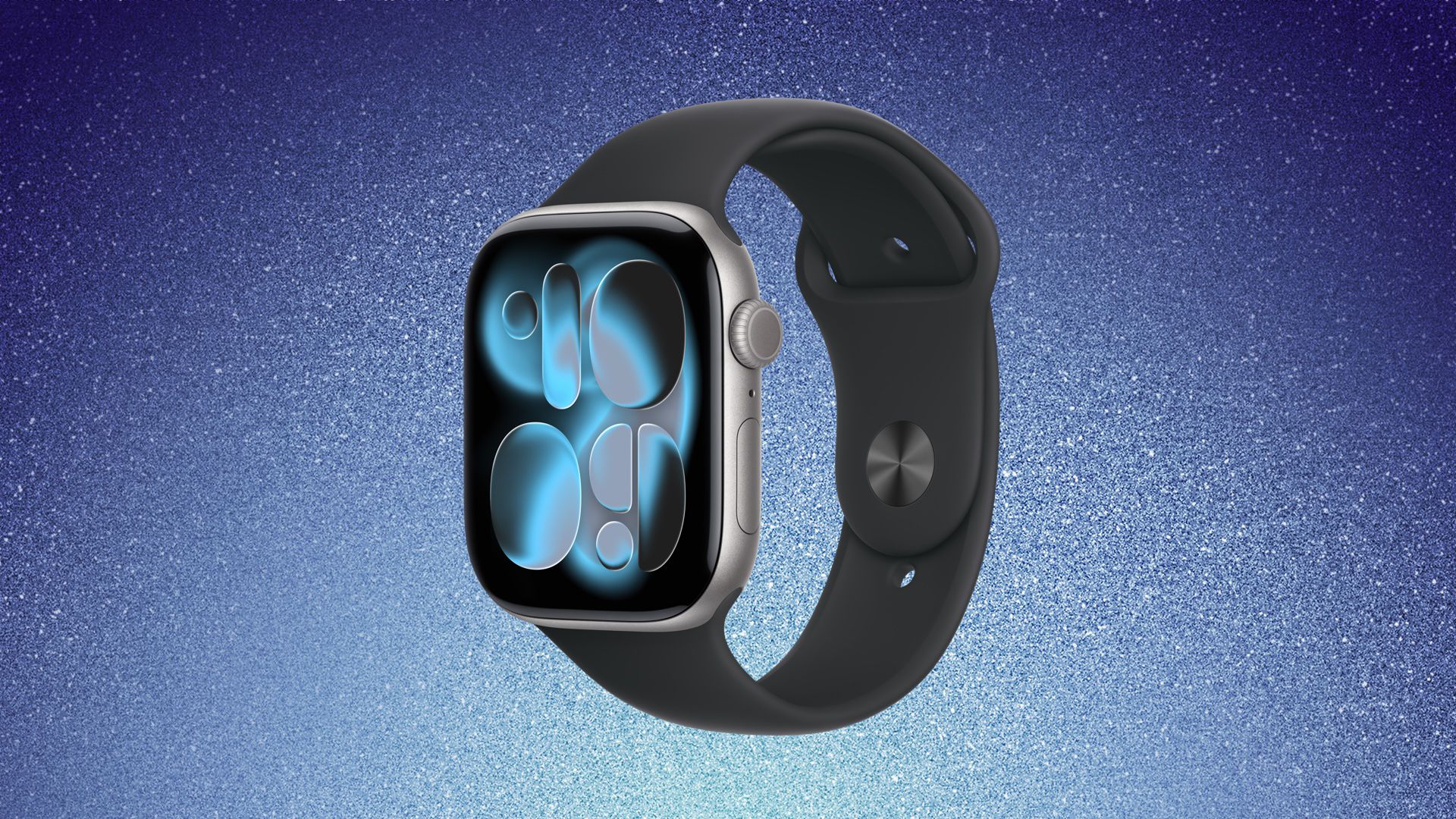
Retailers Amazon and Best Buy are offering record-low discounts on the Apple Watch Series 11 this weekend, with the 42mm GPS model at $299 (down from $399) and the 46mm GPS at $329 (down from $429); cellular variants are reduced to $399 (42mm, was $499) and $429 (46mm, was $529). The price cuts could support incremental near-term unit sales but may modestly pressure gross margins on discounted inventory; the promotion is unlikely to be a material market mover for Apple shares.
Market structure: Deep, product-level discounts (Series 11 down $100 to $299 on 42mm) redistribute short-term margin and foot-traffic benefits to merchants (AMZN, BBY) while exerting modest pressure on Apple’s wearables ASPs; wearables are roughly a ~8–12% revenue slice so material at the margin but unlikely to derail FCF unless discounts broaden to iPhone lines. Competitive dynamics: Amazon and Best Buy gain conversion and ancillary revenue (plans/accessories/services) — expect a 1–3% uplift in category GMV for the weekend but 50–150bp compression in vendor ASPs if promotions persist into next quarter. Supply/demand signal: The markdown cadence signals inventory-clearing ahead of upcoming product cycles (WWDC/Sept launches) more than systemic demand collapse today; if sell-through remains poor past 6–8 weeks it becomes a demand datapoint. Cross-asset: modest downward pressure on cyclical credit spreads if consumer electronics demand softens; small risk-off impetus to equities could tighten IG bond flows; FX/commodities impact negligible.
Risk assessment: Tail risks include a deeper-than-expected wearable demand shock forcing Apple-wide markdowns (10–20% deeper) or supply-chain disruption increasing component cost 5–10%, both compressing margins materially over 2–4 quarters. Time horizons: immediate (days) will show traffic lift for retailers; short-term (4–12 weeks) will reveal whether promotions are isolated clearance or demand weakness; long-term (3–12 months) depends on product launches and trade-in cycle. Hidden dependencies: carrier promotions, expiry of trade-in credits, and retailer inventory accounting can mask true demand, creating noisy signals for one quarter. Key catalysts: WWDC (June) announcements, Apple’s next fiscal-quarter results, and retailer earnings release cadence in coming 4–8 weeks.
Trade implications: Tactical direct plays: favor short-duration retail exposure capture (BBY) for traffic-driven upside and avoid increasing AAPL naked short exposure; hedge Apple exposure with 2–3 month put spreads if holding through product cycle. Pair opportunities: long BBY vs short AAPL small-sized relative value for 4–12 weeks to capture retailer conversion if markdowns are clearance-driven. Options: expect elevated short-dated implied vols around earnings/WWDC — use debit put spreads (AAPL 2–3 month) or credit call spreads on AMZN/BBY to collect premia while limiting tail risk. Sector rotation: modestly overweight selective consumer discretionary retailers and maintain underweight on discretionary hardware if sequential sell-through weakens.
Contrarian angles: Consensus treats markdowns as demand weakness; not emphasized is seasonality — Apple historically discounts aggressively pre-launch without long-term share loss, meaning a >7–10% AAPL sell-off could present a buying opportunity. Reaction may be overdone in the short run: if sell-through normalizes within 6–8 weeks, retailers revert to baseline and Apple margins recover as older SKUs clear. Historical parallels: Apple Watch markdowns in prior cycles compressed near-term revenue but preserved ecosystem attachment and post-launch upgrades; downside risk is elevated if discounts spill into iPhones. Unintended consequences: persistent promotions train consumers to wait for deals, potentially elongating upgrade cycles by 1–2 quarters and reducing near-term replacement rates.
AI-powered research, real-time alerts, and portfolio analytics for institutional investors.
Request DemoOverall Sentiment
neutral
Sentiment Score
0.10
Ticker Sentiment
