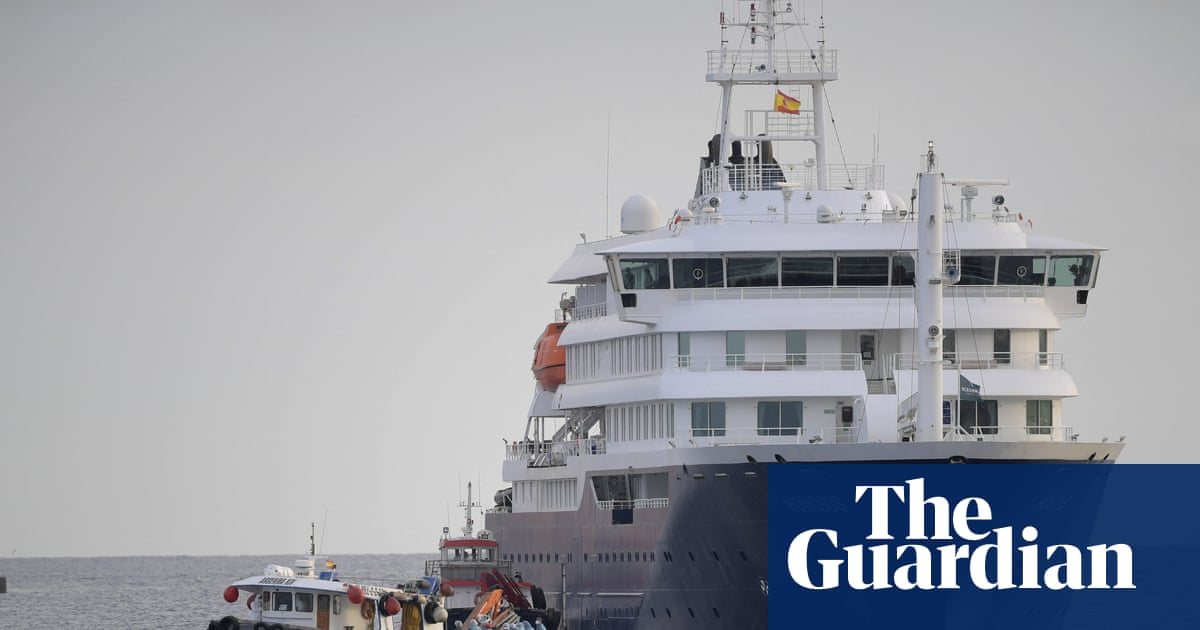
At least 3 passengers from the MV Hondius have died from a rare hantavirus outbreak, while two more evacuated passengers in France and the US have tested positive and one French case is in serious condition. More than 100 people of 23 nationalities are being repatriated in a complex, unprecedented operation from Tenerife, with WHO recommending a 42-day quarantine and active symptom follow-up. The incident is a clear public-health negative, but market impact is likely limited outside travel and health-related sectors.
The immediate market implication is not a broad “pandemic” read-through but a localized shock to travel risk premia: anything tied to cruise, ferry, airport handling, and high-touch leisure logistics should see a short-duration volatility bid. The more important second-order effect is operational cost inflation for operators that rely on fast passenger turnarounds and multinational routing, because this kind of event forces manual screening, quarantines, and crew reshuffling that can compress utilization for weeks even after the headline fades.
The contagious-strain confirmation raises the tail-risk profile for European and transatlantic travel names more than for the broader market, but the duration matters: this is a reputational and timing problem, not a demand-destruction analogue to COVID. Consensus will likely overestimate medium-term cancellation behavior while underestimating near-term friction in port authority processes, aircraft seat re-accommodation, and insurer scrutiny around medical evacuation clauses. That creates a better setup for relative-value shorts in leisure/logistics proxies than outright index hedges.
The contrarian angle is that the current move may be too punitive for operators with minimal direct exposure, because the real bottleneck is not virality in the general population but the specialized containment protocol and limited quarantine capacity. If no secondary transmission clusters emerge over the next 2-3 weeks, the trade should mean-revert quickly. The key catalyst to watch is whether additional positive tests appear among post-disembarkation contacts; that would extend the event window from days to a multi-week risk-off pocket and justify a larger de-risking in transport-facing names.
AI-powered research, real-time alerts, and portfolio analytics for institutional investors.
Request DemoOverall Sentiment
strongly negative
Sentiment Score
-0.75
