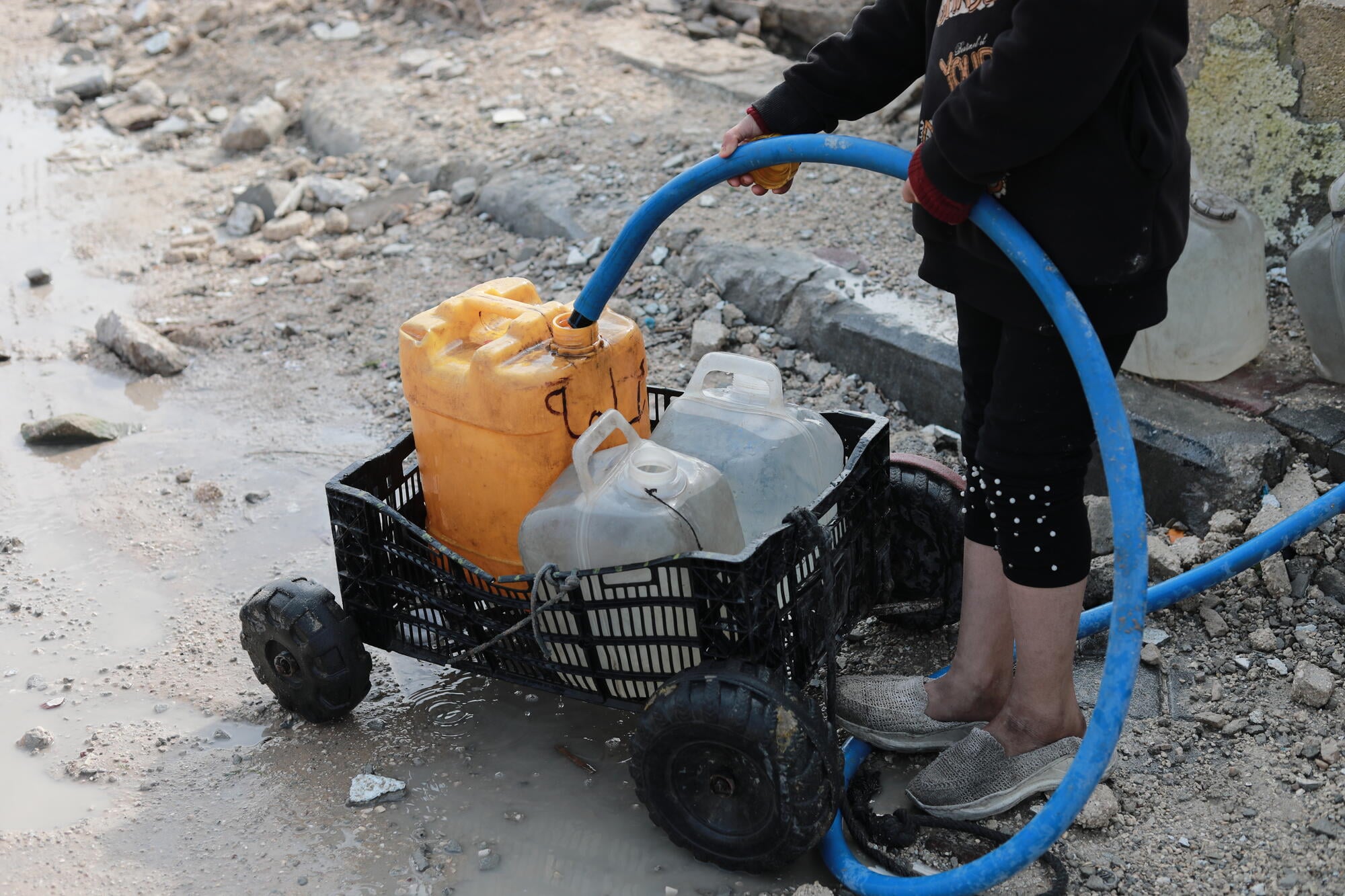
MSF says Israeli authorities have destroyed or damaged nearly 90% of Gaza's water and sanitation infrastructure, with water access reportedly used as a weapon of collective punishment. The report says one in five MSF water distributions ran dry between May and November 2025, while more than 100 million litres were distributed in March 2026 despite severe restrictions. The humanitarian and geopolitical implications are severe, with risks of disease, mass displacement, and further escalation.
The investable signal is not humanitarian per se but operational: this is a multi-quarter degradation of civil infrastructure that raises the cost of everything that depends on it. The second-order effect is a forced substitution away from centralized utilities toward distributed, fuel-intensive, and often lower-quality water handling, which benefits portable treatment, containerized infrastructure, emergency logistics, and sanitation suppliers more than any headline defense contractor tied to kinetic events.
The clearest market risk is escalation of aid restrictions and border bottlenecks, which can impair contractors and NGOs that rely on cross-border logistics, fuel, chemicals, membranes, pumps, generators, and spare parts. That creates a lumpy demand profile: procurement spikes after every infrastructure shock, then stalls when approvals are delayed. Over 3-12 months, the beneficiaries are companies with exposure to modular water treatment, temporary shelter sanitation, and medical infection-control inputs, because disease burden and displacement usually lag destruction by weeks to months and persist even if hostilities ebb.
Consensus likely underestimates how sticky the demand becomes once water systems collapse. Even if there is a ceasefire, restoration is a years-long capex cycle, not a quick snapback: desalination, pumping, and sewage networks require power, permitting, and civil engineering capacity that are scarce in conflict zones. The bigger contrarian point is that the more severe the deprivation, the less optional humanitarian spending becomes, making near-term revenue visibility better for certain industrials/healthcare suppliers than the macro tone would suggest.
I would avoid trading the conflict headline directly and instead lean into downstream infrastructure resilience. The opportunity is in names that monetize emergency water, sanitation, and infection control without needing civilian reconstruction budgets to normalize. The main risk is policy reversal: if access routes reopen or a ceasefire includes rapid infrastructure repair funding, the trade can unwind quickly because the market will price in a faster normalization than is operationally realistic.
AI-powered research, real-time alerts, and portfolio analytics for institutional investors.
Request DemoOverall Sentiment
extremely negative
Sentiment Score
-0.90
