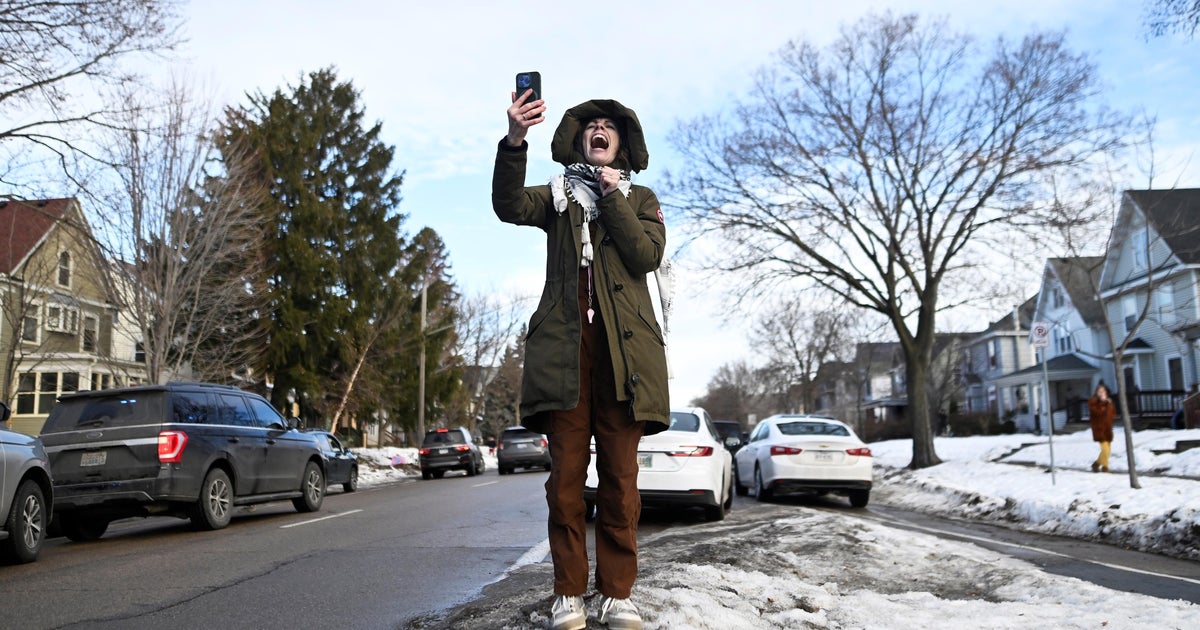
Federal immigration agents have increased operations in Minneapolis, and local legal observers are actively following and documenting stops and arrests to record activity. Minneapolis Police Chief Brian O'Hara affirmed that recording is lawful absent separate illegal acts but cautioned against unsafe driving tactics; city leaders have urged calm as federal presence grows. The development raises localized political, reputational and potential litigation risk for municipal governance and businesses near activity hotspots but contains no immediate financial metrics likely to move markets.
Market structure: This is a localized, low-market-impact law-enforcement escalation that selectively benefits suppliers of surveillance, tactical communications, and detention services (defense primes and private prison operators) while imposing stress on local retail, hospitality, and municipal credit if protests/patrols persist. Expect incremental revenue upside of 1–3% for vendors winning short-term federal contracts in the next 1–3 quarters; demand shock is project-based rather than structural. Cross-asset: negligible FX/commodity impact; municipal bonds for Minneapolis/Hennepin county are the most sensitive — a sustained 20–50 bps yield widening would be meaningful to local muni holders.
Risk assessment: Tail risks include rapid escalation into multi-week civil unrest (low probability, high impact) that could push municipal emergency spending +$50–150M and trigger litigation exposure for insurers and cities. Immediate (days) effects are foot-traffic and retail revenue dips; short-term (weeks–months) is increased legal/insurance claims; long-term (quarters–years) depends on policy changes after elections. Hidden dependencies: federal contract awards hinge on DHS appropriation language and state litigation; a successful lawsuit or new legislation could remove demand quickly.
Trade implications: Tactical longs: defense/security suppliers and surveillance tech (e.g., LHX, TDY, RTX) for 3–12 months with small position sizing; selective long exposure to GEO/CXW only on confirmed uptick in detention utilization (+>5% utilization over baseline). Hedge muni exposure to Minneapolis via short-duration muni puts if yields widen >20 bps vs. national muni indices. Prefer option-defined risk (call spreads, buys) to control downside.
Contrarian angles: Consensus downplays municipal credit risk; if unrest persists >30 days, Minneapolis muni spreads could reprice by 15–40 bps — an underpriced risk. Conversely, market may overpay for national defense exposure if deployments are transient; look for event-driven exits after contract awards (sell into 15–25% rallies). Historical parallel: 2014–16 localized federal deployments produced one- to two-quarter revenue bumps for contractors, not structural growth.
AI-powered research, real-time alerts, and portfolio analytics for institutional investors.
Request DemoOverall Sentiment
neutral
Sentiment Score
0.00
