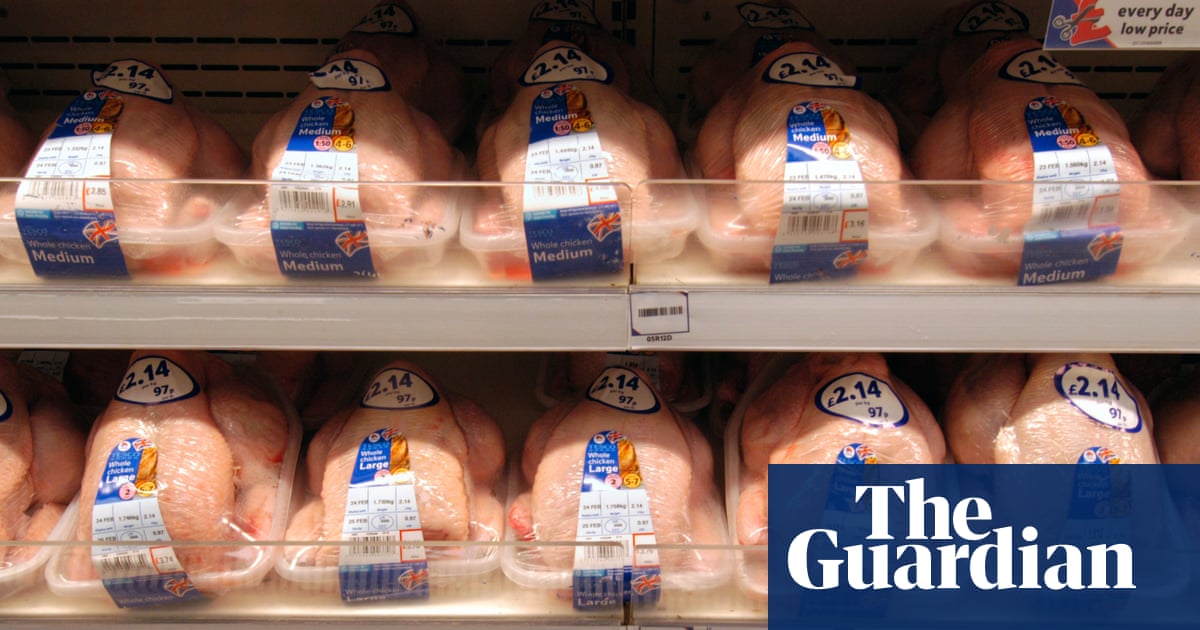
The UK is preparing for a reasonable worst-case scenario in which a prolonged Strait of Hormuz closure disrupts CO2 supplies, potentially affecting chicken, pork, fizzy drinks and other food-chain products. The government has already restarted the Ensus plant with a £100m investment to bolster resilience, while Tesco said it has seen no current supply issues. The article highlights geopolitical and logistics risks to UK supply chains rather than an immediate shortage.
The market is underpricing how quickly a CO2 shock can cascade from a niche input into a broad UK availability problem. The first-order exposure is food processing, but the second-order hit is to margins and working capital for grocers and distributors forced to dual-source, reroute inventory, and pay up for refrigerated logistics just as summer demand rises. The real vulnerability is not a complete stop in supply; it is intermittent rationing, which is more disruptive because it creates operational inefficiency without giving companies enough time to re-optimize.
The cleanest losers are the highest-volume, lowest-margin channels with the least flexibility in packaging, slaughter, and cold-chain utilization. Large grocers with sophisticated supply chains should outperform independents and regional wholesalers, because scale gives them prioritization rights and better access to substitute inputs, but even they may see mix pressure if fresh/protein categories become harder to source. Beverage, brewery, and food-service operators face a timing mismatch: the issue can emerge within days, while mitigating capex and supplier diversification take months, so near-term earnings risk is more about promotional spend and spoilage than outright volume collapse.
The policy backstop matters: the government’s restart of domestic capacity means the tail risk is likely bounded unless the external shock lasts into late summer. That creates a tradeable window where the event can inflate headline risk for 4-8 weeks even if the ultimate supply damage is modest. The contrarian view is that consensus may be too focused on shelf gaps and not enough on substitution—companies have spent years building resilience after Brexit and Covid, so the upside for defensive staples may be less dramatic than the news flow suggests unless there is a second disruption at a domestic plant.
AI-powered research, real-time alerts, and portfolio analytics for institutional investors.
Request DemoOverall Sentiment
moderately negative
Sentiment Score
-0.35
Ticker Sentiment
