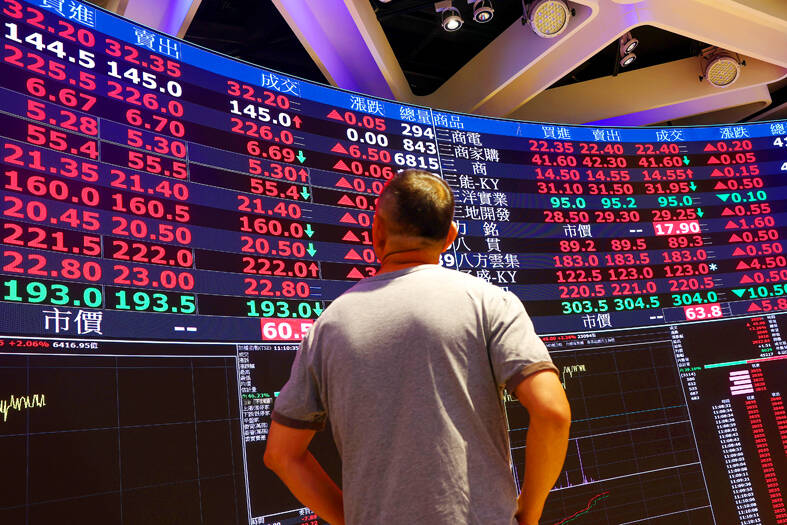
Taiwan’s TAIEX surged 2.37% to a record 36,296.12 as investors rotated back into AI stocks amid easing Middle East war fears, while TSMC rose 2.37% to NT$2,055, also a new high. Taiwan’s dollar strengthened NT$0.095 to NT$31.69 per US dollar, and the benchmark is now up 25.32% year to date. The article also highlights robust Taiwan exports, up 61.8% year over year to a record US$80.18 billion, underscoring strong AI-driven semiconductor demand and supply-chain strength.
The market is pricing a transition from a geopolitics-driven de-risking regime back to an AI-capex regime, and that matters more for Taiwan than the headline index move suggests. Taiwan is not just a beneficiary of sentiment; it is the highest-beta expression of sustained AI infrastructure spend, so when risk appetite returns, the marginal buyer crowds into the same narrow set of names, amplifying index upside and making breadth misleadingly strong. The New Taiwan dollar strength adds a second-order tailwind by easing imported input costs and signaling foreign inflows, which can extend momentum for another few sessions even if macro headlines stabilize rather than improve.
TSMC remains the cleanest way to express this view because the key debate is no longer demand but supply-chain tightness and pricing power over the next 1-2 quarters. The more important catalyst is not the upcoming print itself but whether management re-accelerates capex or guides tighter lead times, which would validate that AI demand is still outrunning capacity. A strong guide would also pull forward multiple expansion across the ecosystem, while any hint of normalization would likely hit the higher-beta packaging/testing names first.
ASE is a second-order beneficiary with more operating leverage than the foundry itself: every incremental AI dollar has to be assembled, tested, and shipped, and those bottlenecks are becoming more valuable as compute density rises. That makes the stock attractive on a 3-6 month basis, but it is also where consensus may be most complacent, because the current enthusiasm assumes capex can compound without delay or margin pressure. The underappreciated risk is that a stable oil market is necessary but not sufficient; if energy prices re-accelerate or Middle East risk resurfaces, the same crowded AI trade can unwind quickly, especially in names that have already repriced for perfection.
The contrarian takeaway is that the market may be underestimating how much of this rally is flow-driven rather than fundamental re-rating. If the next few US sessions fail to confirm the move, Taiwan could remain elevated intraday but struggle to hold new highs without fresh foreign inflows. That argues for owning the strongest AI infrastructure cash-flow compounders, but with defined downside via calls rather than outright index exposure.
AI-powered research, real-time alerts, and portfolio analytics for institutional investors.
Request DemoOverall Sentiment
moderately positive
Sentiment Score
0.62
Ticker Sentiment
