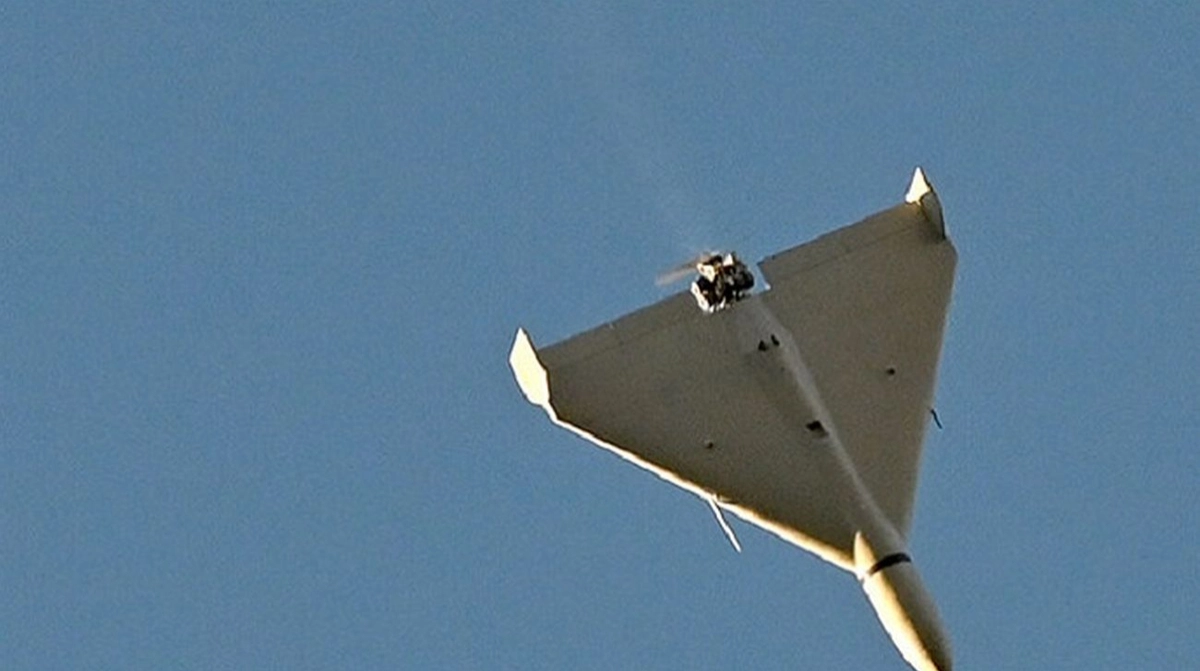
Kyiv came under Russian UAV attack on the evening of 23 May, triggering an air-raid warning and air defence activation across the capital. Officials reported strike drones heading toward Kyiv, with explosions heard throughout the city. The event raises immediate geopolitical risk and could have broad risk-off implications for regional assets and defense-related markets.
The immediate market read is not about one attack cycle, but about the regime shift it reinforces: persistent low-cost drone warfare raises the probability of a longer-duration air-defense procurement cycle across Europe. That matters most for suppliers with scalable interceptors, sensors, EW, and command software rather than traditional heavy platforms, because the marginal cost asymmetry of defending against drones is structurally punitive and forces repeated replenishment of consumables.
Second-order beneficiaries are the logistics and industrial names that sit behind ammunition, propulsion, and electronics bottlenecks. If this pattern persists over weeks rather than days, the bottleneck moves from headline defense budgets to delivery schedules and inventory turns, which tends to expand order visibility for subcontractors and specialty materials while pressuring primes that rely on slower program execution. The bigger risk for broad markets is not direct commodity disruption, but a renewed premium on European security spending that can keep defense multiples elevated even if near-term earnings are unchanged.
The contrarian angle is that “risk-off” reactions to individual events often fade, but the stock-level opportunity is in anticipating procurement ratchets before consensus models catch up. If the conflict escalates into more frequent infrastructure strikes, the market may underprice the need for distributed air defense, mobile radar, EW, and hardened power/satellite resilience, all of which have different winners than the usual tank-and-missile basket. On the other hand, if there is a near-term diplomatic pause or evidence of interceptor stockpiles being sufficient, the fast-money defense trade could give back gains within days, so timing matters more than conviction alone.
AI-powered research, real-time alerts, and portfolio analytics for institutional investors.
Request DemoOverall Sentiment
strongly negative
Sentiment Score
-0.75
Ticker Sentiment
