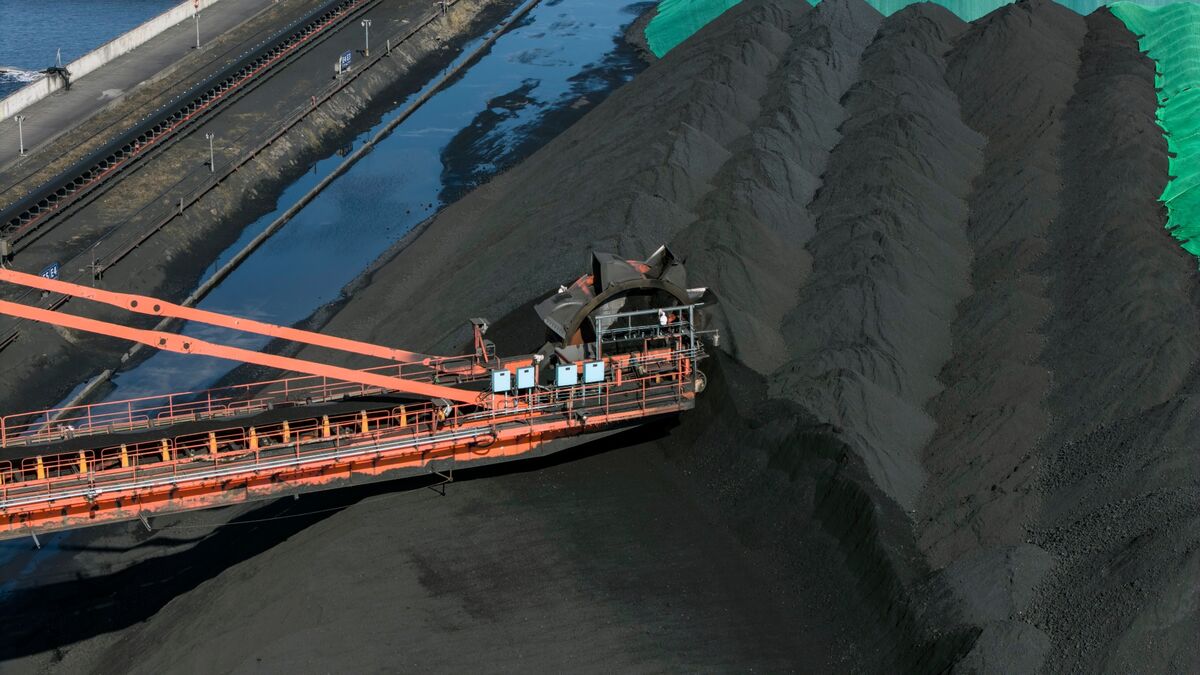
The Iran war is rapidly shrinking LNG supplies to Asia, forcing countries from South Korea to Indonesia and Bangladesh to pivot back to coal to cover the shortfall. Qatar — home to the world’s largest LNG export facility — is among the worst hit, implying tighter gas markets, upward pressure on energy prices, sector rotation toward coal producers/thermal generators, and increased market volatility.
The immediate market response will be a re-pricing of thermal coal and the logistics that serve it: expect seaborne thermal coal prices to exhibit 25–50% upside over 3–9 months as Asian utilities bid for spot cargoes and displace prior contractual flows. That repricing is amplified by non-price bottlenecks — port slot scarcity, rail locomotive cycles, and a finite dry-bulk tonnage pool — which mean miners with ready-to-ship balance sheets can convert price moves to cash faster than vertically integrated miners with longer shipping chains.
A second-order beneficiary set is the physical logistics chain: dry-bulk shipping rates, port stevedores, and short-haul Indonesian exporters (low incremental cost producers) gain margin capture before longer-cycle producers can reallocate volumes. Conversely, players with heavy exposure to long-term contracted LNG sales or with high ESG-financing sensitivity face margin compression and financing volatility as banks/insurers re-evaluate coal exposure, raising refinancing risk for smaller exporters over 12–24 months.
Risk horizon is multi-layered: days–weeks for spot cargo routing and freight spikes, 3–12 months for contract renegotiations and cargo re-pricing, and 1–3 years for structural capex/finance shifts driven by carbon policy and new LNG trains. Triggers that could reverse the move quickly include rapid restoration of Qatari throughput, a diplomatic de-escalation opening alternate gas corridors, or an unexpected ramp of US/Australia LNG that absorbs incremental demand within two quarters.
From a portfolio construction view, this is a time-limited price shock that favors short-cycle thermal coal exposures and physical logistics plays, but also demands explicit hedges against regulatory/news-driven downside. Position sizing should account for high headline volatility and potential for abrupt political interventions that can unwind gains in weeks.
AI-powered research, real-time alerts, and portfolio analytics for institutional investors.
Request DemoOverall Sentiment
strongly negative
Sentiment Score
-0.60
