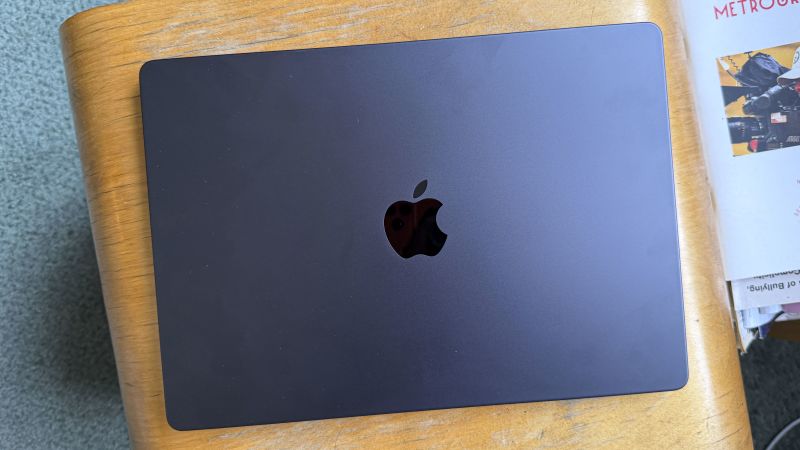
CNN Underscored’s senior tech editor Mike Andronico curates a Black Friday roundup of laptop deals across Apple, Windows, Chromebooks and gaming rigs, highlighting the MacBook Air M4 at its lowest-ever price and the MacBook Pro M4 about $50 shy of its record low (with the faster M5 roughly $100 higher). The piece calls out deeply discounted Windows and Chromebook models (including an affordable Acer Aspire Go and a discounted 2025 Surface Laptop), emphasizes hands-on testing and price tracking to validate all-time lows, and frames these promotions as vetted opportunities for consumers seeking high value in holiday retail.
Market structure: Holiday Black Friday promotions that are curated and editor-endorsed (Apple, Microsoft Surface, Lenovo, Alienware, Acer) should boost unit demand in Nov–Dec by a measurable but temporary spike (estimate +3–7% units vs. preceding 8-week baseline). Winners are large platforms and premium brands with control over pricing and services (AAPL, AMZN, MSFT ecosystem partners), while commodity PC OEMs (HPQ, DELL) face ASP pressure and margin compression of 100–300bps seasonally. Cross-asset: stronger retail receipts lift short-term IG retail spreads and USD liquidity; semis (NVDA/AMD) see higher demand for discrete GPUs, supporting equity and call vols; modest downward pressure on DRAM/NAND pricing reduces memory supplier EBITDA near-term.
Risk assessment: Tail risks include renewed China factory stoppages or a logistics shock that flips discounts into shortages (high impact, <10% probability over 3 months) and regulatory actions on platform advertising that could reduce e‑commerce promo efficiency. Immediate (days): order-flow and SKUs sell-through ratios matter; short-term (weeks/months): channel inventory digestion could cause sequential comps to soften Jan–Mar; long-term (quarters/years): ARM-based M-series adoption can structurally take share from Intel/AMD for consumer notebooks. Hidden dependencies: chip supply cycles, retail inventory days, and buyback/tax timing can magnify moves.
Trade implications: Favor consumer retail and semiconductors exposed to gaming and mobile compute — overweight AMZN/BBY/NVDA/AMD, underweight HPQ/DELL in relative-value sleeves, with entry in next 1–7 trading days to capture Black Friday momentum and trim into December retail prints. Use directional options to concentrate exposure: calendar/call spreads for NVDA and AMZN around earnings windows and protected equity pairs (long AAPL vs short HPQ) for 3–6 month horizons. Rotate capital back into services/ARPU-exposed names after January if post-holiday returns remain strong.
Contrarian angles: Consensus treats discounts as pure margin destruction; overlooked is replacement-cycle acceleration—steep discounts on premium laptops (Apple M4/M5) can bring forward upgrades and recurring services revenue, improving LTV over 12–24 months. Historical parallel: 2020 device upgrade surge produced multi-quarter upside in services and semis despite short-term ASP erosion. Unintended consequence: aggressive OEM discounting may force consolidation or strategic buybacks by higher-margin players, creating asymmetric upside for platform leaders.
AI-powered research, real-time alerts, and portfolio analytics for institutional investors.
Request DemoOverall Sentiment
mildly positive
Sentiment Score
0.30
