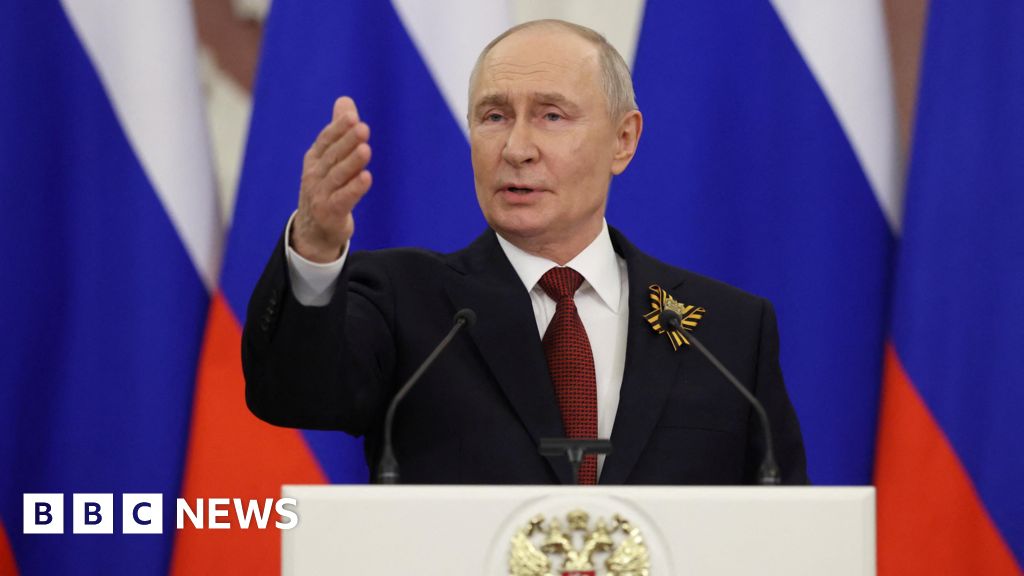
Putin said the Russia-Ukraine conflict is "coming to an end" and signaled he would only meet Zelenskyy after a lasting peace deal is agreed. The article also notes a US-brokered ceasefire over the weekend that reduced parade security risks and included a proposed 1,000-prisoner swap. The piece is geopolitically important, but it contains no direct market or corporate-specific catalyst.
This reads less like a durable de-escalation than a signaling attempt to cap escalation risk while preserving bargaining leverage. The market implication is not a clean peace premium, but a compression in the tail probability of near-term kinetic shocks around Moscow/critical infrastructure, which supports a modest bounce in European risk assets and a short-lived relief bid in defense-sensitive names. The bigger second-order effect is on gas, power, and freight volatility: if even a temporary truce lowers strike/drone risk, forward volatility should fall before spot fundamentals improve, creating an opportunity in vol sellers rather than outright directional bets.
For Ukraine-linked assets, the key issue is not rhetoric but funding durability. Any perception that talks are progressing can briefly weaken urgency for supplemental Western support, but that is likely to be reversed quickly if negotiations stall or prisoner-swap/ceasefire compliance breaks down. The more important medium-term risk is that investors price a higher base probability of a frozen conflict, which would keep reconstruction capital hesitant and cap multiples for contractors and logistics names tied to eventual rebuild flows.
Defense equities are vulnerable to a pause in headline escalation, but not to a full unwind: procurement backlogs are multi-year and European rearmament remains structurally underfunded. The likely overreaction is in short-dated event risk, not in long-duration demand for munitions, air defense, EW, and drones. In other words, any drawdown in defense names should be bought selectively on the expectation that budgets stay sticky even if the conflict enters a lower-intensity phase.
The contrarian view is that the consensus may be overestimating the signaling value of a single diplomatic gesture. A ceasefire that reduces attack risk for one ceremonial event does not solve the underlying security dilemma, and both sides retain incentives to use negotiations to reset logistics and force posture. If anything, the best risk/reward may be in selling realized volatility in Europe and Ukraine-adjacent event risk while staying long the secular winners of rearmament.
AI-powered research, real-time alerts, and portfolio analytics for institutional investors.
Request DemoOverall Sentiment
neutral
Sentiment Score
-0.05
Ticker Sentiment
