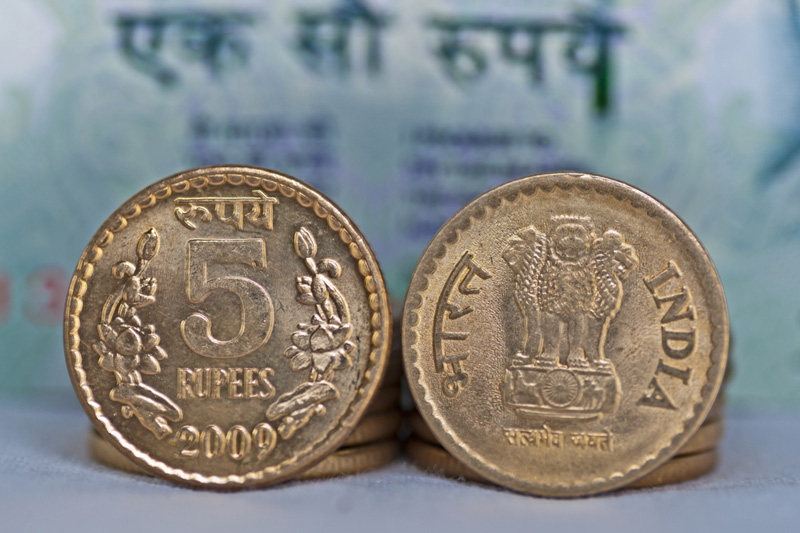
The Reserve Bank of India issued detailed guidelines for its forex measures, including a swap facility through September 30 to offset hedging costs on three- to five-year foreign currency non-resident deposits. Banks may mobilize deposits in any freely convertible currency, but the RBI swap backstop is available only in U.S. dollars and cannot be cancelled once established. The facility is effective immediately and will stay open until October 16, 2026 for eligible deposits mobilized by September 30.
This is less about a single policy tweak than a quiet attempt to reopen a structural funding channel for the Indian banking system without forcing an outright rate move. The embedded option here is that dollar-raising by banks becomes cheaper and more predictable over the next 6-12 months, which should marginally compress offshore funding spreads for top-tier lenders first, then filter into a broader reduction in foreign currency liability costs. Because the support is time-limited and non-cancellable, it also creates a strong incentive to front-load issuance before the window closes, which could temporarily pull forward external borrowing demand and make near-term USD liquidity in India look better than underlying balance-of-payments conditions justify.
The biggest second-order benefit likely accrues to banks with the best foreign-currency deposit franchises and lowest execution frictions, not to the system uniformly. Larger private banks and select public-sector banks can use this to defend deposit betas and preserve net interest margins, while smaller lenders may be forced to either match pricing or lose share in a more competitive offshore deposit market. A subtler knock-on effect is pressure on domestic deposit mobilization: if dollar-linked deposits become relatively more attractive, it may slow the pace of local deposit repricing relief that the market has been expecting.
From a macro-trading perspective, the policy is mildly supportive for INR stability in the near term, but it is not a durable currency fix. The risk is that if global USD funding tightens again or risk sentiment deteriorates, the RBI’s swap backstop could become a cap on stress rather than a solution, which would leave the market exposed once the one-year lock-in pipeline matures. Consensus may be underestimating how much this is a balance-sheet-management tool rather than a growth catalyst: it helps banks reduce funding volatility, but it does little for credit demand unless domestic loan growth re-accelerates.
AI-powered research, real-time alerts, and portfolio analytics for institutional investors.
Request DemoOverall Sentiment
neutral
Sentiment Score
0.05
The most interesting catalyst path is 1-3 months, not years: watch whether large banks begin showing improved offshore deposit traction or narrower foreign funding spreads in monthly disclosures. If that happens, the trade can extend into lower wholesale funding costs and modest NIM support into FY26; if not, the market will reprice this as a temporary liquidity bridge with limited earnings impact.
