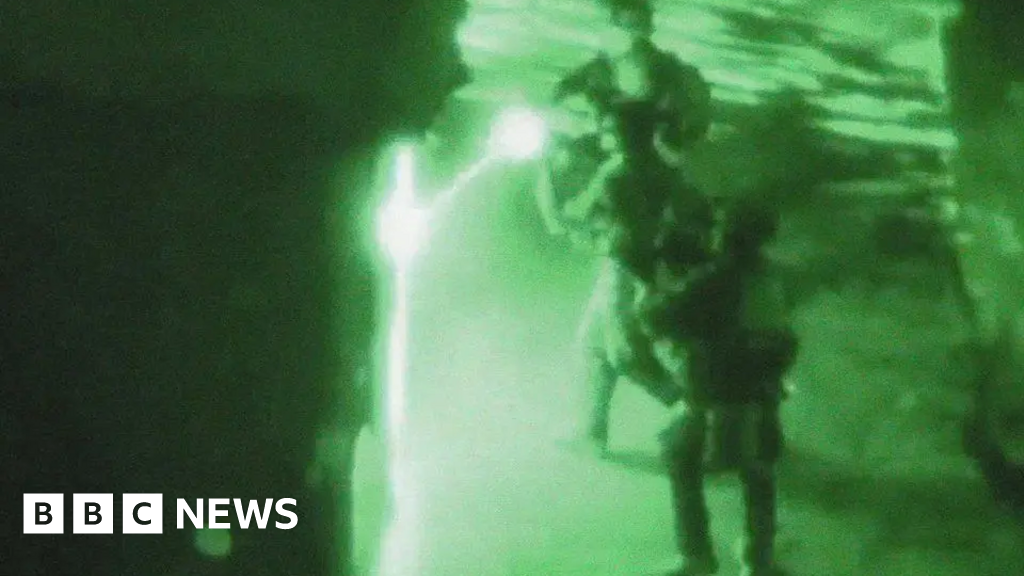
A UK Special Forces chief of staff told an inquiry that suspected SAS war crimes were not referred to military police in 2011 because leaders feared disrupting operations and hurting morale. The inquiry heard allegations of extrajudicial killings, falsified reports, and failures to escalate serious concerns, including cases involving civilians and children in Afghanistan between 2010 and 2013. The story is materially negative for UK defense and governance credibility, though direct market impact is likely limited.
The investable issue is not the historical allegation itself; it is the institutional spillover into defense procurement, oversight burden, and command credibility. When a sensitive special-operations franchise is seen as managing allegations internally, the second-order effect is broader political appetite for tighter rules of engagement, more documentation, and slower authorizations across elite units — all of which reduce operational velocity and raise cost of capital for defense primes tied to close-quarters, intelligence-led platforms.
The near-term loser is the UK defense ecosystem’s discretion premium. Programs that depend on special operations doctrine, expeditionary readiness, or allied interoperability can face procurement friction if parliament and regulators push for audit trails, body-cam-like evidence chains, or independent review layers. That does not hit revenue immediately, but it can compress margins over 6-18 months via compliance overhead and delay orders where the customer values speed and deniability.
There is also a geopolitical second-order effect: allies may become more selective in sharing intelligence or embedding personnel alongside units under scrutiny, which can reduce the effectiveness of combined operations and shift work toward cleaner, more bureaucratic contractors. Paradoxically, that can benefit firms selling surveillance, ISR, and forensic evidence systems while hurting providers of direct action capabilities. The market’s likely mistake is to treat this as a pure headline risk, when the larger impact is a slow re-pricing of governance standards in special operations procurement.
Contrarian view: the immediate selloff risk in UK defense names may be overstated because this is a reputational and process overhang, not a budget shock. But the underappreciated risk is that once oversight expands, it rarely retraces; even absent formal law changes, managers self-censor for years. That makes this a longer-duration governance trade rather than a one-day event.
AI-powered research, real-time alerts, and portfolio analytics for institutional investors.
Request TrialOverall Sentiment
strongly negative
Sentiment Score
-0.55
