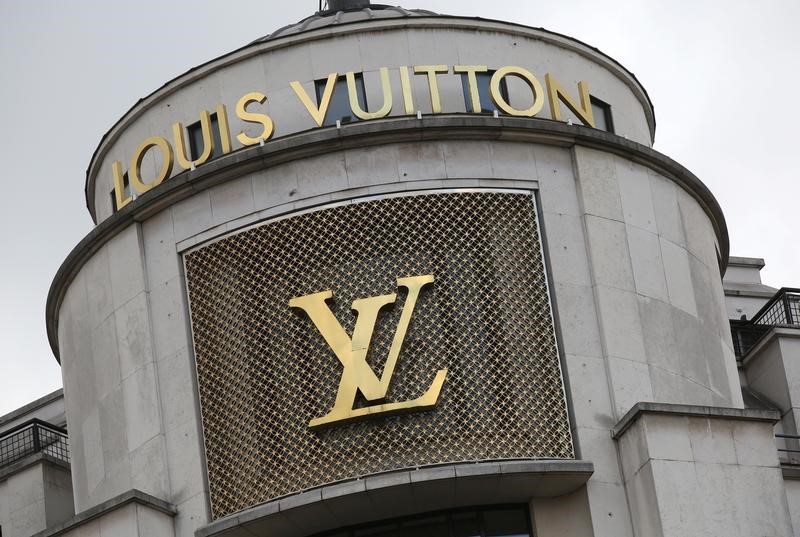
European luxury stocks fell 0.04% to 2.6% as escalating U.S.-Iran tensions, rising oil prices and weaker demand expectations pressured sentiment. The article cites softer sales tied to reduced tourism and spending in key markets including the Middle East and China, with travel flows and airport retail also disrupted. The move reflects a risk-off rotation away from cyclical luxury names rather than company-specific news.
The first-order move is a de-risking trade, but the second-order impact is broader than luxury beta. If Middle East tensions persist, the real pressure points are not just end-demand but operating leverage in brands with high fixed store/marketing costs and exposed travel-retail channels; that mix can compress margins faster than unit sales alone would suggest. The weakest links are the names with the highest reliance on tourist spend and China/Gulf discretionary flows, while the relative winners are likely local-value retailers and essentials with lower ticket sensitivity.
The market is probably underestimating how quickly higher oil can translate into a tighter luxury demand impulse over the next 1-2 quarters. A sustained energy shock tends to hit affluent consumer confidence before it hits reported revenue, because purchase timing in luxury is highly elastic and easily deferred. That creates a lagged earnings setup: multiple compression can happen immediately, while the fundamental downdraft shows up later, making any relief rally vulnerable unless geopolitical headlines de-escalate decisively.
There is also a positioning angle: luxury has been a crowded quality-growth shelter, so factor rotation out of cyclicals can overshoot on days like this. If the conflict does not broaden, the move could reverse quickly as investors reprice this as a sentiment event rather than a structural demand break. The contrarian view is that high-end demand is more resilient than headline sentiment suggests, but only for top-tier franchises with pricing power and less exposure to travel retail; the broad basket remains exposed.
AI-powered research, real-time alerts, and portfolio analytics for institutional investors.
Overall Sentiment
mildly negative
Sentiment Score
-0.35
