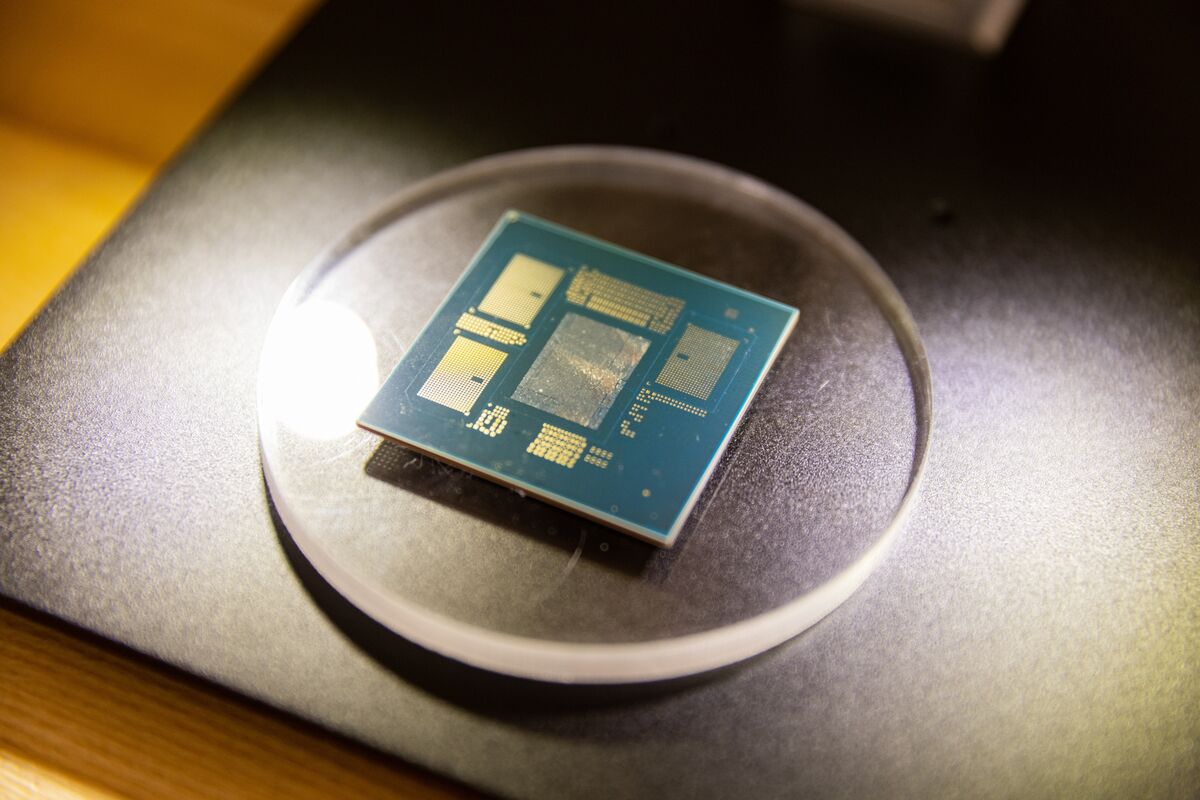
South Korea’s AI-chip boom is generating unusually large employee bonuses, with Samsung Electronics and SK Hynix reportedly paying out hundreds of thousands of dollars per worker. UBS says average wealth per adult in South Korea has risen 44% since 2020, the fastest pace globally, potentially boosting assets under management for local wealth and asset managers. The article is broadly positive for domestic consumption and financial services, though the immediate market impact appears limited.
This is a liquidity event, not just a wealth effect. The bonus wave should first show up as incremental deposits and brokerage inflows, which is a cleaner catalyst for domestic asset managers than the slower, more diffuse uplift in household consumption. The second-order winners are firms with high operating leverage to AUM growth and distribution capacity; the losers are cash-heavy banks that absorb deposits without necessarily capturing fee economics, especially if households and employees use the windfall to rebalance toward equities and funds instead of leaving cash idle.
The bigger signal is that Korea’s investable household balance sheet is getting a structural repricing at the same time AI-related equity compensation is concentrating fresh capital in a narrow, high-income cohort. That tends to improve near-term market participation, but it also raises crowding risk: the same semiconductor-linked wealth that funds local inflows can reverse quickly if chip earnings momentum stalls. Over a 3-6 month horizon, the relevant question is whether this becomes sticky savings in wealth management products or transient speculation in domestic cyclicals and brokers.
The consensus is likely underestimating how quickly this can transmit into financial distribution stocks rather than broad consumption names. If the incremental money is routed through retirement accounts, managed portfolios, and discretionary mandates, fee pools can expand faster than GDP-sensitive lending books. The contrarian risk is that valuations may already discount persistent AI-driven wealth creation; if chip bonus expectations peak, the marginal inflow impulse fades even while headline sentiment remains strong.
For UBS specifically, the setup is more about franchise share than the Korean macro beta. Any firm with cross-border private banking, local WM, or ETF plumbing should benefit from a higher savings rate and stronger domestic equity allocation, but the trade should be sized as a flow-driven tactical rather than a multi-year macro call. If the AI capex cycle rolls over, the market will likely de-rate these names before the income effect fully normalizes.
AI-powered research, real-time alerts, and portfolio analytics for institutional investors.
Request DemoOverall Sentiment
moderately positive
Sentiment Score
0.55
Ticker Sentiment
