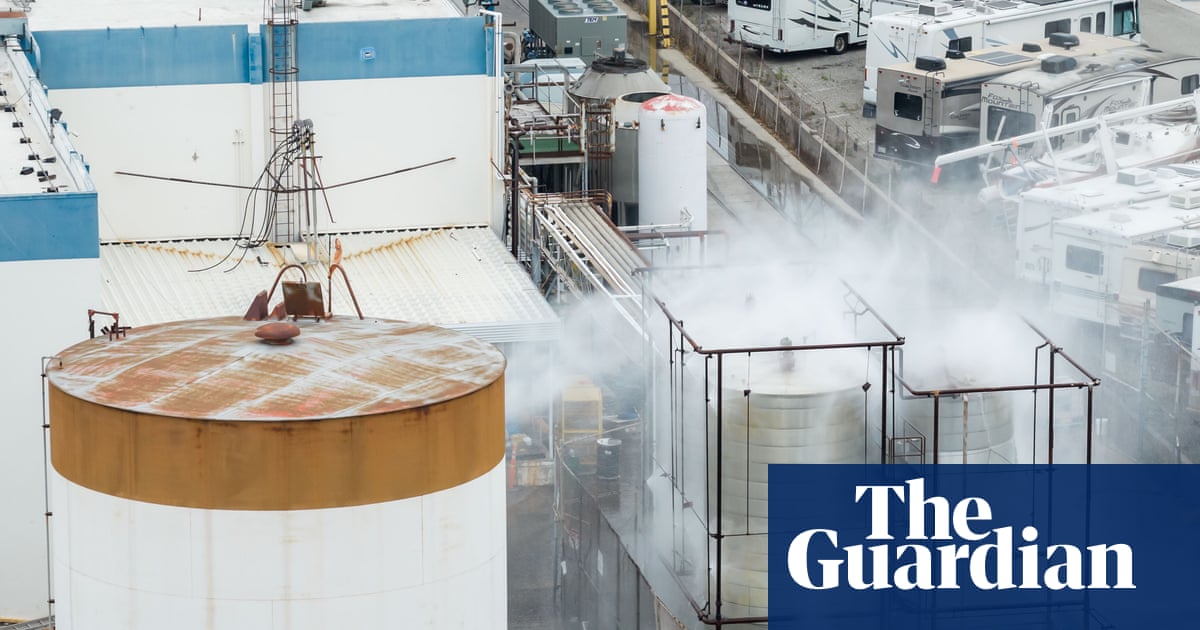
A cracked chemical tank at GKN Aerospace Transparency Systems in Garden Grove has triggered the evacuation of about 50,000 residents, with officials still monitoring an active leak of methyl methacrylate and assessing explosion risk. No injuries have been reported, but the incident has prompted containment measures, environmental monitoring, and a class action federal lawsuit from residents. The event is likely to pressure the company operationally and legally, while also raising local property-value and safety concerns.
This is a localized industrial accident, but the market impact is broader because it stress-tests two assumptions that investors usually price as low-probability: operational continuity at aerospace/defense suppliers and liability containment for hazardous-material incidents. The immediate read-through is not on the damaged site’s economics; it is on peer facilities with similar chemicals, aging tanks, or adjacent residential exposure, where insurers, regulators, and local governments may now push for expedited inspections and capex. That can tighten near-term margins across a subset of industrial and specialty-chemical names even if the incident remains contained.
The second-order issue is litigation duration. The initial class-action filing suggests the event could evolve from a clean-up story into a multi-year balance-sheet overhang, especially if plaintiffs can tie evacuation, lost use, or property-value claims to a broader nuisance theory rather than direct physical damage. That matters for public companies with small but nontrivial environmental reserves: a one-off incident can force reserve increases, higher insurance deductibles, and a re-rating of legal risk before any final damages are known.
For defense and aerospace suppliers, the key market question is whether customers treat this as an isolated plant issue or a signal to diversify sourcing away from single-site specialty component makers. If procurement teams respond by dual-sourcing critical plastic/composite inputs, the loser is the smaller, more concentrated supplier base; the beneficiary is diversified peers with redundant capacity. The contrarian view is that the headline risk may be overdone for the broader aerospace stack: unless the shutdown extends for weeks, the operational hit is likely second-order versus the more durable effect of legal and regulatory scrutiny.
AI-powered research, real-time alerts, and portfolio analytics for institutional investors.
Request DemoOverall Sentiment
moderately negative
Sentiment Score
-0.45
