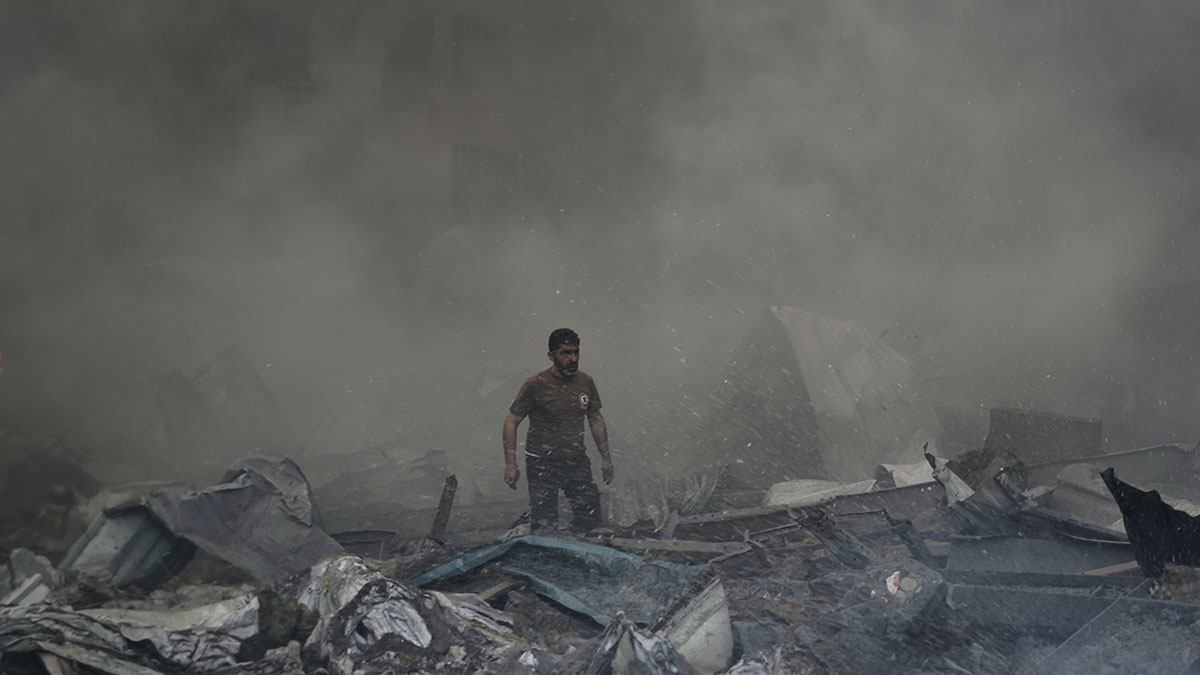
A fragile ceasefire involving Iran, Israel, Lebanon and the U.S. is under immediate strain after renewed attacks, threats to reopen the Strait of Hormuz, and continued missile launches. The Strait carries about 20% of traded oil and gas in peacetime, and Iran’s toll proposal of up to $1 per barrel plus the risk of renewed disruption is a major energy and shipping shock. Casualties remain severe, including 182 killed in Lebanon on Wednesday, while the status of Iran’s uranium and missile programs remains unresolved.
The market should treat this less as a clean ceasefire and more as a repricing of tail risk around a chokepoint that matters most when confidence is lowest. Even a modest escalation in enforcement around Hormuz can create outsized dislocations in prompt crude, LNG freight, and marine insurance, while the physical oil flow data can look deceptively stable for several sessions. The second-order issue is not only price but working capital: higher prepayments, longer voyage times, and rerouting frictions can squeeze refiners and commodity traders before headline supply is visibly disrupted.
The biggest near-term beneficiary is not necessarily oil producers, but intermediaries with embedded optionality on volatility: tanker owners, energy traders, and defense/logistics names tied to the Gulf security perimeter. By contrast, refiners, airlines, chemical producers, and EM importers with energy-sensitive balance sheets are vulnerable to a fast margin shock if prompt Brent spikes while product inventories are already tight. The threat is asymmetric because even a short-lived closure premium can reset term contracts, hedge ratios, and inventory buying behavior for weeks.
The contrarian angle is that a formal fee/toll regime may be more bullish for Iran’s cash flow than a complete shutdown is disruptive for global barrels, which could reduce the incentive to actually block traffic for long. If so, the market may be overpricing a durable supply outage and underpricing a messy but partial normalization in which shipments continue at a higher cost. The key catalyst over the next 48-72 hours is whether Gulf states and insurers accept passage under new terms; over 1-3 months, the real test is whether negotiations can convert this from a military standoff into a de facto revenue-sharing arrangement.
AI-powered research, real-time alerts, and portfolio analytics for institutional investors.
Request DemoOverall Sentiment
strongly negative
Sentiment Score
-0.85
