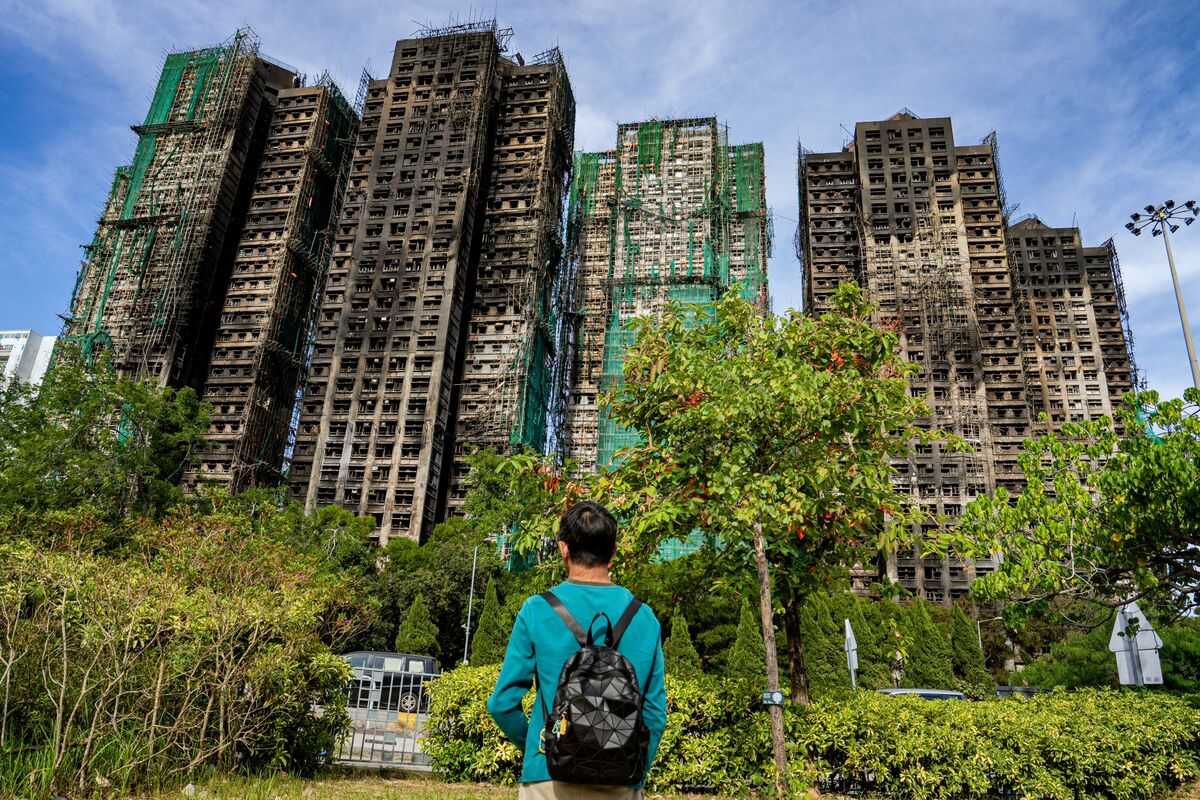
Hong Kong suffered its deadliest fire in nearly eight decades, killing at least 128 people and prompting scrutiny over missed warnings; the government has moved to quash public anger. Authorities, including the National Security Police, questioned a petitioner calling for follow-up action and the Office for Safeguarding National Security warned it would act against anyone seeking to exploit the tragedy to stoke unrest—steps that increase political and regulatory risk for Hong Kong assets and could weigh on investor sentiment, property perceptions and tourism exposure.
Market structure: The immediate losers are Hong Kong-centric real estate, retail, hospitality and consumer-facing landlords ( Link REIT/0823.HK, CK Asset/1113.HK, Sun Hung Kai/0016.HK) as risk premia and insurance/rebuild costs rise; winners are global safe-havens (USD, USTs, gold) and vendors of security/surveillance and building retrofit contractors. Pricing power shifts toward buyers — commercial rents and transaction volumes can fall 5–15% in stressed districts over 3–6 months, pressuring developer cashflows and REIT dividends. Risk assessment: Tail risks include a sustained political crackdown that triggers sustained capital flight (equity outflows >$5bn/month) or delisting pressure on dual‑listed issuers, which would widen credit spreads by 200–400bp for high‑beta property credits within 6–12 months. Immediate risk (days) is volatility and liquidity squeezes; medium term (weeks–months) is regulatory tightening and reputational damage to Hong Kong listings; long term (quarters–years) is slower inward investment and possible structural repricing of Hong Kong risk premium. Trade implications: Tactical short bias on Hong Kong equity beta (EWH, Hang Seng futures) and credit protection on HK property names is warranted for 1–3 months; hedge selectively by buying HK-listed contractors with >30% government contract exposure (e.g., China State Construction/3311.HK, NWS/0659.HK) as potential beneficiaries of mandated safety retrofits over 3–12 months. Use options (3-month puts on EWH or HSI with 8–12% strike) to express directional risk while limiting capital outlay. Contrarian angles: Market consensus underestimates fiscal/intervention response — Beijing/HKSAR could accelerate building-safety budgets and temporarily shore up developer liquidity, creating a 3–6 month rebound opportunity in select beaten-down, high-quality names. Watch for policy signals within 30–90 days; if announced, pivot from short-beta to selective long cyclicals and contractors, as the knee-jerk selloff may be overdone by 15–30%.
AI-powered research, real-time alerts, and portfolio analytics for institutional investors.
Request DemoOverall Sentiment
moderately negative
Sentiment Score
-0.50
