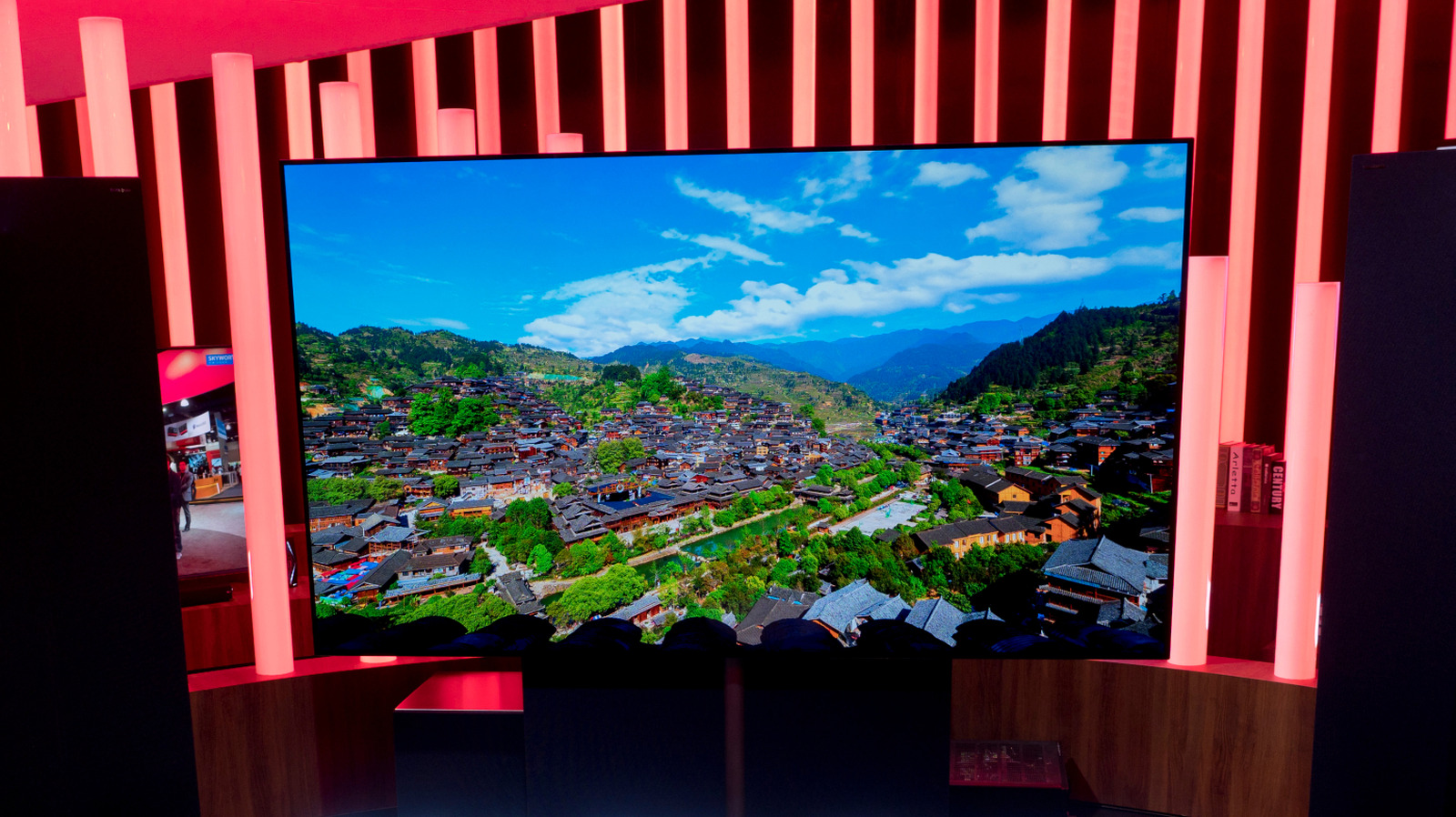
The article argues consumers should buy OLED TVs during April-May spring sales, before 2026 models arrive and while retailers are clearing older inventory; it cites a 77-inch LG C5 OLED at $1,600 versus a launch price above $3,000. It also warns TV prices could rise later in the year due to AI-driven RAM shortages, which Samsung says are affecting consumer electronics broadly. The piece is primarily consumer advice, but it highlights a potential cost-pressure headwind for smart TVs.
The tradeable edge here is not the consumer TV category per se, but the inventory and margin timing for retailers and the component supply chain. If buyers pull forward purchases into spring, BBY and COST can clear older OLED inventory without having to defend price later in the year, which supports mix and working capital turns rather than topline growth alone. The second-order loser is the OEM ecosystem: any later price inflation from memory/RAM costs would compress promotional flexibility, forcing brands to choose between unit share and gross margin.
The market is likely underestimating how quickly AI-related memory inflation can seep into low-end consumer electronics. TVs are not the obvious first-order AI beneficiary, but they are exposed through BOM creep in a way that is easy to miss because retail pricing responds with a lag of one to two quarters. That creates a window where manufacturers can still clear existing production, but by late 2026 the price floor could ratchet higher just as replacement demand is trying to normalize.
GOOGL matters less as a direct hardware winner than as a potential disinflationary call option if its compression technology meaningfully reduces RAM demand. If that works, it could cap the inflationary pass-through to TVs and delay the price hike thesis, but the burden of proof is high and the impact would likely arrive with a lag. The contrarian read is that the article may be slightly too bearish on late-2026 pricing: if consumer demand softens or retailers lean harder on promo financing, they can offset some input-cost pressure by subsidizing ASPs, especially at big-box channels where TV traffic is a basket driver.
Near term, this is a tactical consumer-discretionary setup with a 1-3 month catalyst window around spring clearance. The risk/reward is asymmetric for retailers if inventory drawdown is stronger than expected, but much weaker if memory costs normalize or if manufacturers absorb the increase to defend market share. For investors, the cleaner expression is a relative-value trade versus the broad retail complex rather than a directional bet on TVs alone.
AI-powered research, real-time alerts, and portfolio analytics for institutional investors.
Request DemoOverall Sentiment
neutral
Sentiment Score
0.10
Ticker Sentiment
