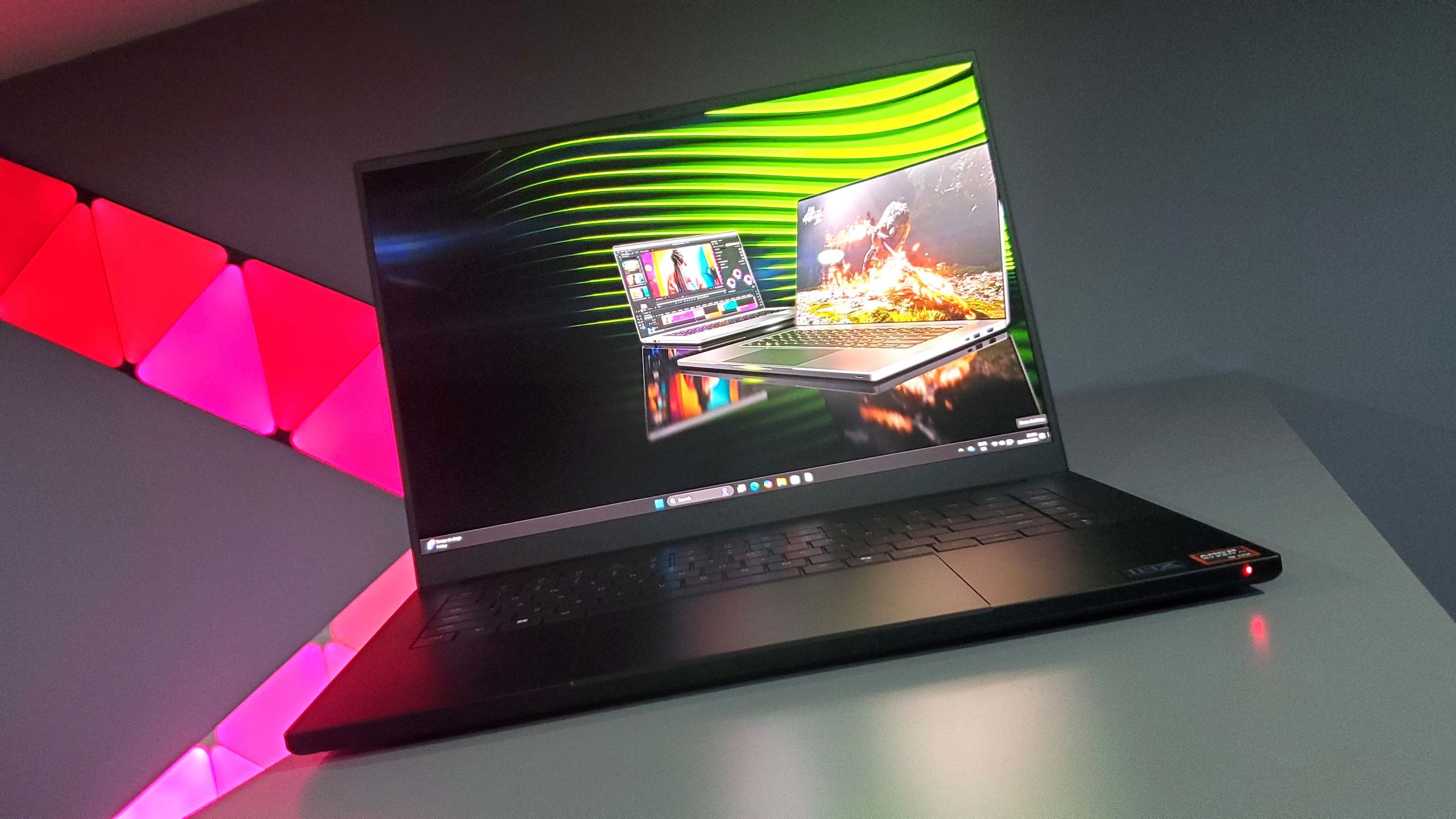
The article reviews the top gaming laptops of 2025, highlighting models from manufacturers like Razer, Lenovo, Asus, MSI, Acer, and Dell, and their performance characteristics, pricing, and market positioning. It details the integration of next-generation RTX 50-series GPUs and offers insights into the competitive landscape and product innovation within the high-performance computing and consumer electronics sectors. This information can inform investment theses regarding these technology companies and the broader gaming hardware market.
The 2025 gaming laptop market is characterized by significant product innovation, driven by the integration of next-generation RTX 50-series GPUs across various manufacturers including Razer, Asus, Lenovo, MSI, Acer, and Dell. This competitive landscape is seeing new models like the Razer Blade 16 (2025) achieving a 90% rating, indicating strong advancements in all-round PC experience and a robust product launch cycle with 44 top-tier gaming laptops tested in the past two years.
Pricing strategies vary, with premium models like the Razer Blade 14 (2025) still considered "frustratingly pricey" despite being "aggressively priced" by the manufacturer, while budget options like the Lenovo LOQ 15 Gen 10 are noted for cost-cutting measures impacting RAM and SSD. Retailers such as Amazon, Best Buy, Newegg, Dell, and HP are offering various deals, including up to $700 off Lenovo Legion and up to $500 off Alienware laptops, suggesting active promotional efforts to capture consumer demand.
Dell's Alienware models, specifically the 16 and 18 Area-51, received lower ratings (80%) due to issues like a "disappointing screen" and "cheap keyboard" on the 18-inch model, and slightly slower performance on the 16-inch, contributing to its slightly negative per-ticker sentiment. In contrast, Lenovo's Legion Pro 7i Gen 10 achieved an 87% rating for its top-notch performance and customization, despite weak battery life, indicating mixed performance across major brands.
The emphasis on portability, as seen with the Asus TUF Gaming A14 (89%), and the desire for high frame rates even in "cacophonous Extreme Performance mode" for models like the MSI Vector 16 HX AI, underscores diverse consumer preferences. The market is segmented by performance, form factor, and price point, with a clear demand for powerful mobile gaming solutions.
AI-powered research, real-time alerts, and portfolio analytics for institutional investors.
Request DemoOverall Sentiment
neutral
Sentiment Score
0.00
Ticker Sentiment
