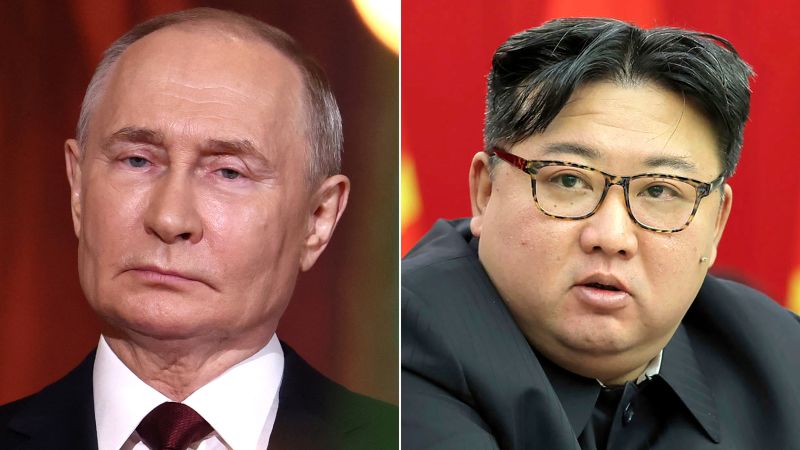
China's upcoming military parade, marking the 80th anniversary of WWII's end, will feature North Korean leader Kim Jong Un and Russian President Vladimir Putin among key attendees, signaling a significant consolidation of autocratic power and a direct challenge to the existing global order. This high-profile event, which showcases China's advanced domestic military hardware, underscores Beijing's escalating military capabilities and assertive geopolitical stance, notably absent Western leaders. The gathering solidifies the strategic alignment between China, Russia, and North Korea, portending increased geopolitical fragmentation and heightened risks to East Asian stability for global markets.
China's upcoming military parade serves as a significant geopolitical signaling event, moving beyond a mere historical commemoration to project a consolidated autocratic bloc. The confirmed attendance of Russia's Vladimir Putin and North Korea's Kim Jong Un alongside Xi Jinping formalizes a strategic alignment aimed at challenging the current global order, a message amplified by the conspicuous absence of major Western leaders. The parade's focus on showcasing advanced, domestically-produced military hardware—including hypersonic weapons, drones, and strategic missiles—underscores China's accelerating military modernization and self-sufficiency, with direct implications for its assertive posture regarding Taiwan and regional territorial disputes. While presenting a united front, underlying complexities exist; Beijing is reportedly watching the deepening Russia-North Korea defense pact 'warily,' suggesting potential friction within the alliance even as it coalesces against the West. This event heightens geopolitical uncertainty in East Asia, creating tangible risks for regional stability and global supply chains.
AI-powered research, real-time alerts, and portfolio analytics for institutional investors.
Overall Sentiment
neutral
Sentiment Score
0.00
